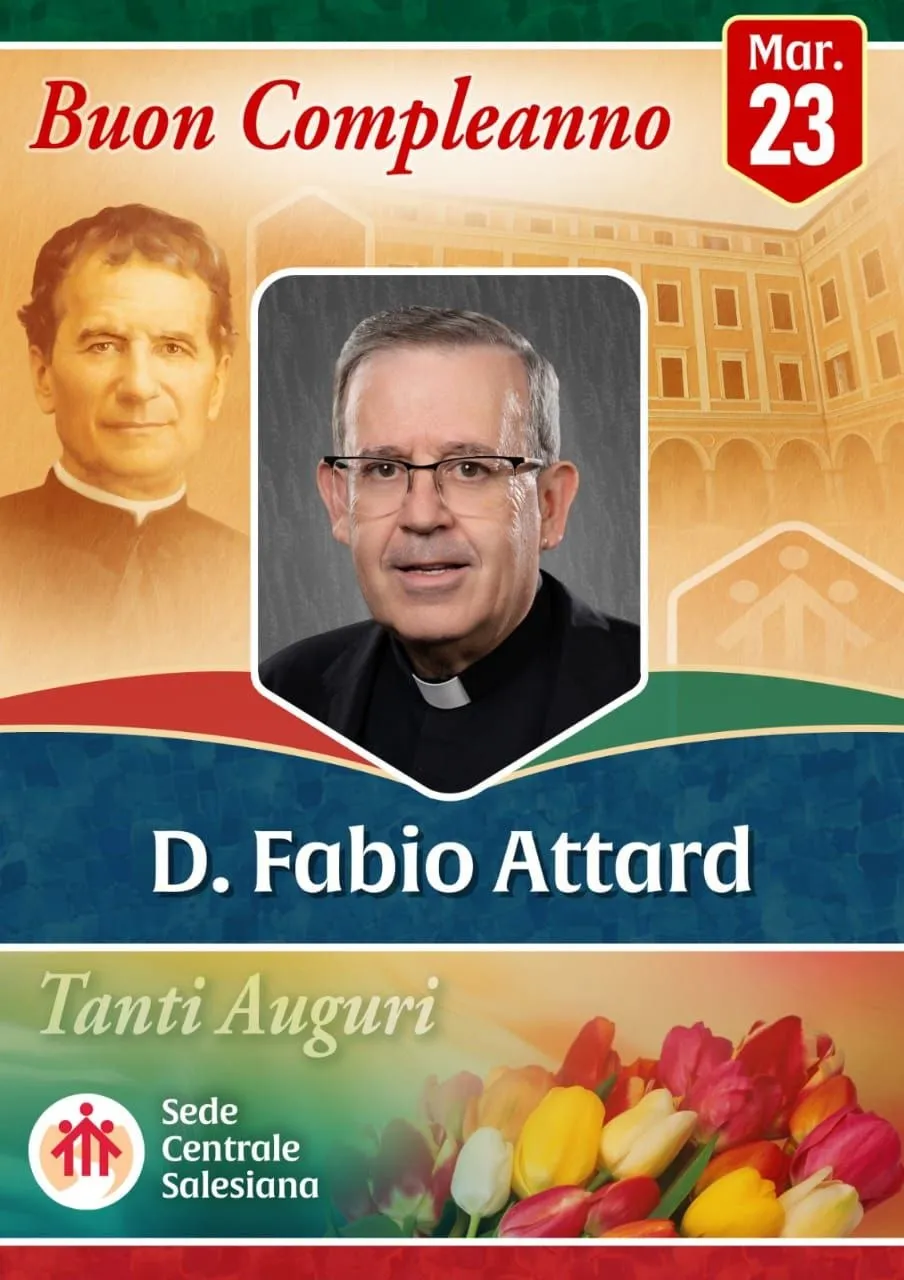
We wish our Rector Major, the 11th successor of Don Bosco, a very happy birthday! Wishing you many blessed years ahead.🥳🎊🥂

We wish our Rector Major, the 11th successor of Don Bosco, a very happy birthday! Wishing you many blessed years ahead.🥳🎊🥂
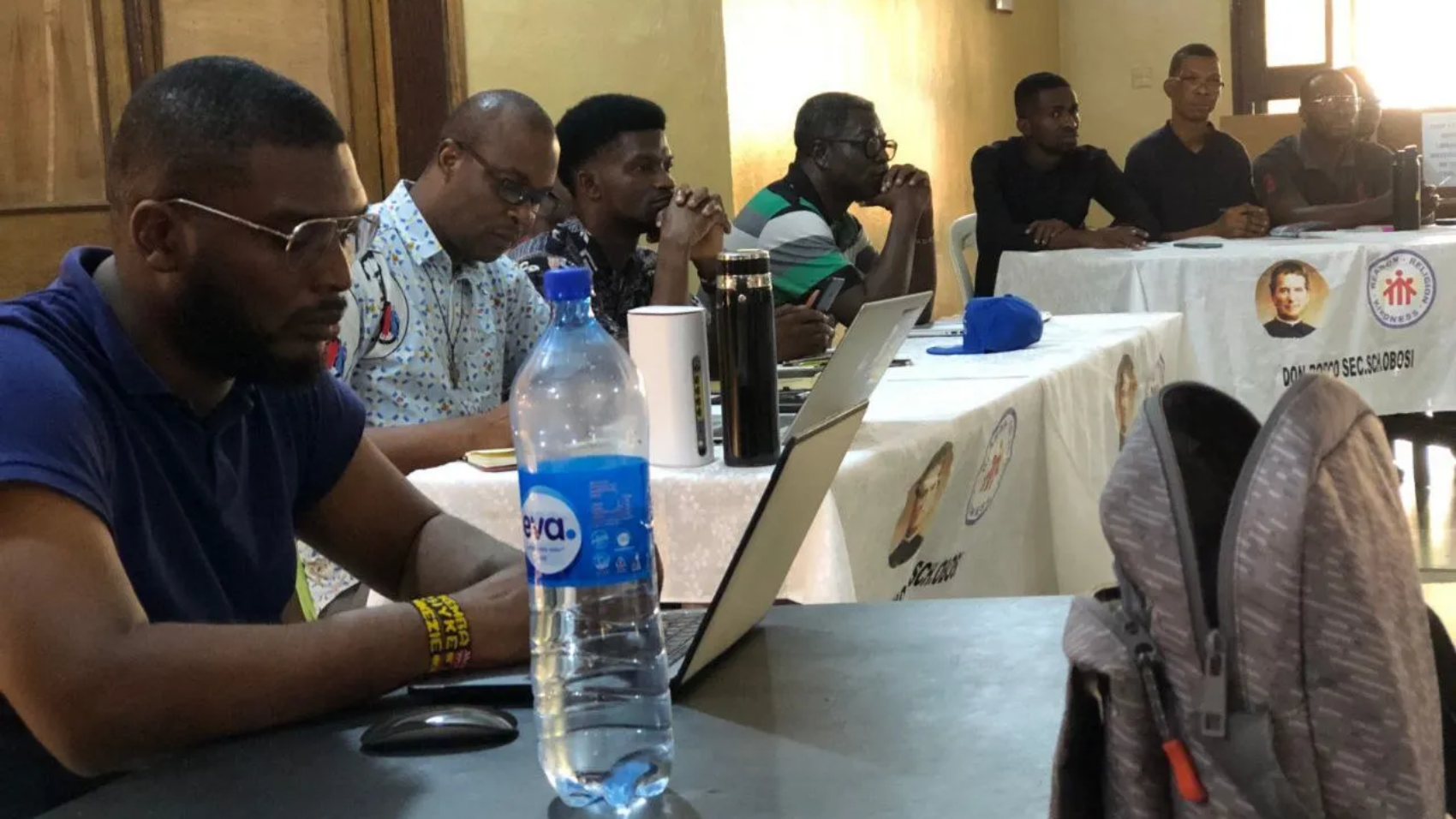
The Provincial Council of the Salesian Province met yesterday with the Salesian community in Obosi and key stakeholders to review the current situation of Technical and Vocational Education and Training (TVET) within the Province, with particular attention to the situation of the Obosi TVET centre.
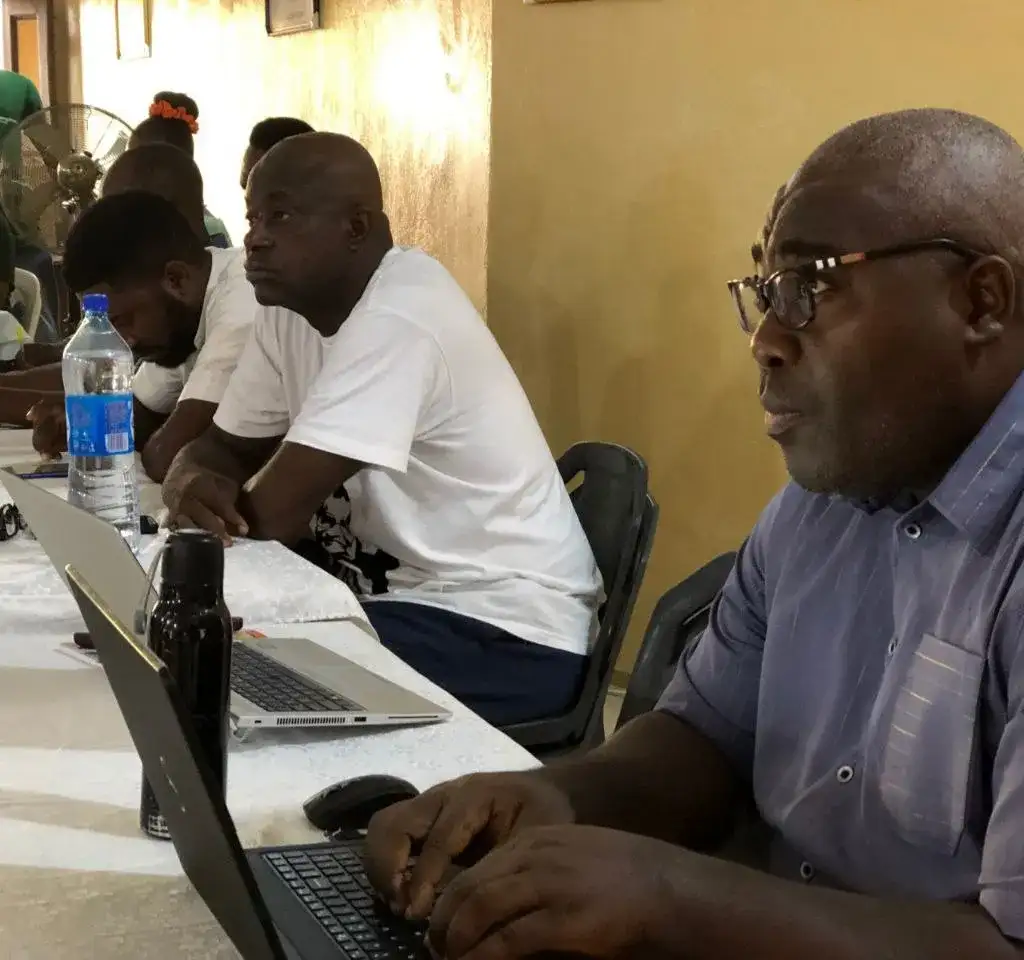
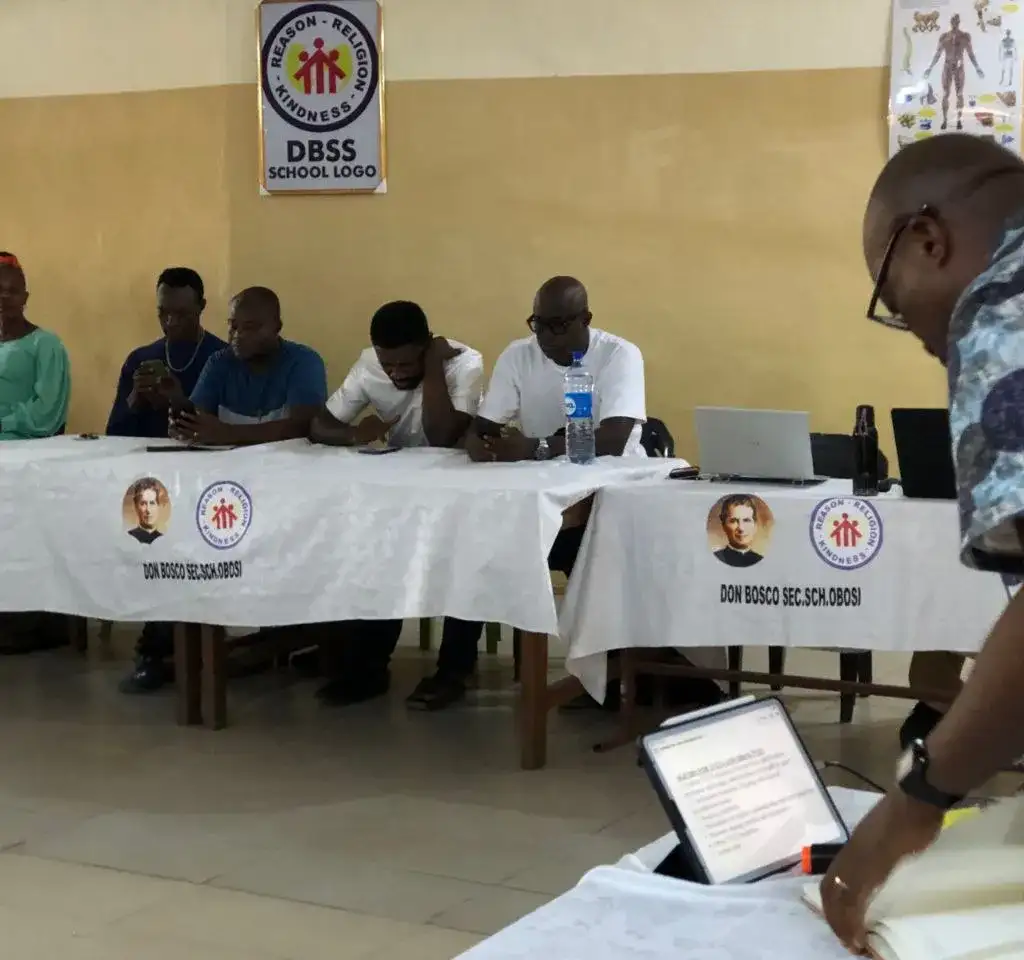
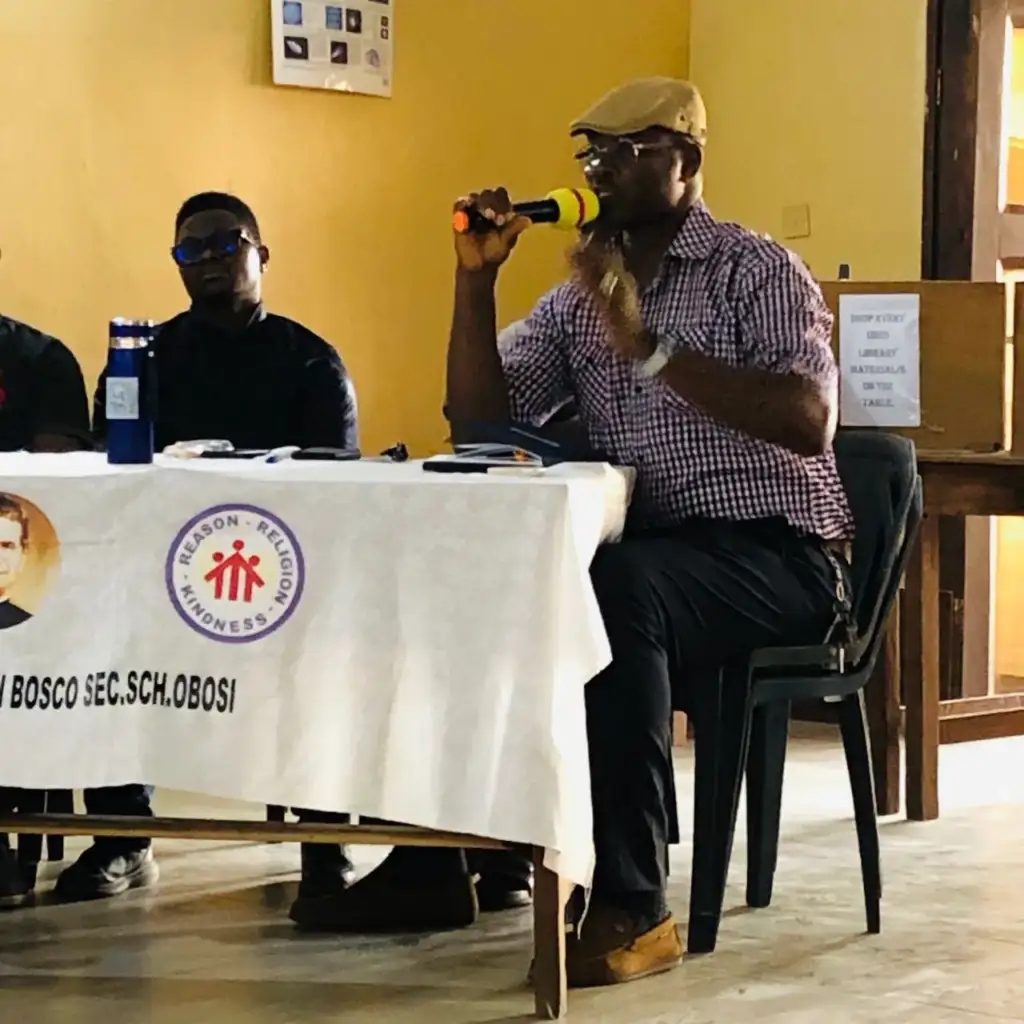
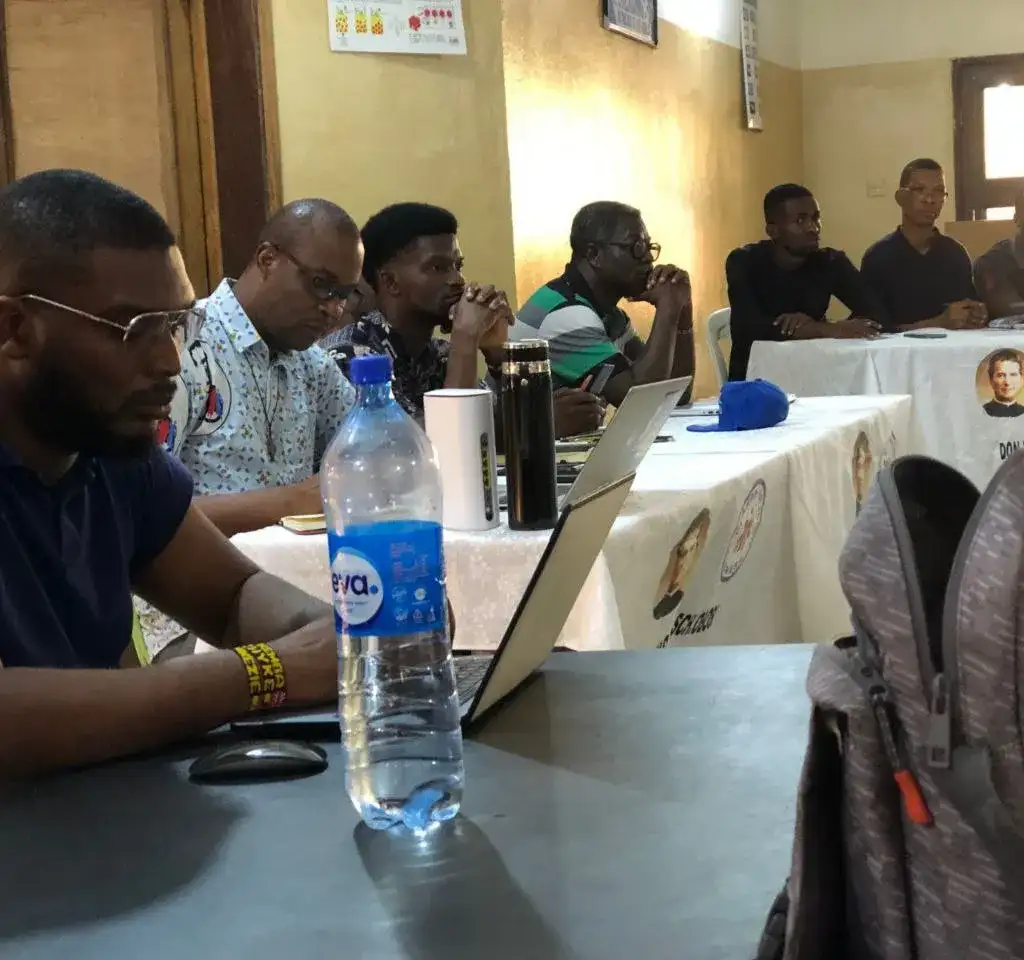
The meeting brought together representatives of the Salesian community, members of the Past Pupils association, the Chairman of the Secondary School’s Parents–Teachers Association (PTA), and some members of the school staff. The gathering provided an opportunity for open dialogue and shared reflection on the challenges and opportunities facing Salesian technical education in the Province.
In the spirit of synodality—marked by attentive listening, participation, and a shared search for solutions—the meeting focused on understanding the present realities of the Province’s TVET initiatives. Participants examined the current performance of the centres, levels of student enrolment, and the challenges affecting their operations. At the same time, the discussion highlighted existing strengths and potential areas for growth, identifying gaps that need to be addressed in order to strengthen the mission of technical education for young people, especially the poor and marginalized.
A significant area of discussion concerned certification standards for Salesian technical institutions. Participants emphasized the importance of aligning the Province’s TVET programmes with national accreditation bodies to ensure that training offered in Salesian centres meets recognized professional standards. Such alignment, they noted, is essential for guaranteeing the credibility of Salesian technical training and for enhancing the employability of young graduates.
The meeting also explored ways of improving collaboration among the various centres and stakeholders. Proposals were made for establishing more effective mechanisms for regular communication and joint initiatives, which would allow institutions within the Province to learn from one another and work together more closely. Resource sharing—particularly the sharing of trainers, technical expertise, and equipment—was identified as a practical way to strengthen the quality of training across the Province.
Particular attention was given to the situation of the Obosi TVET centre. Participants discussed the ongoing process of migration and the practical considerations needed to ensure continuity and sustainability of the programme. The conversation highlighted the need for a carefully coordinated transition that safeguards both the educational mission and the interests of the young people served by the institution.
Throughout the discussions, three major themes clearly emerged: the migration process affecting the Obosi TVET, the need for proper certification and accreditation of technical programmes, and the development of a long-term sustainability plan for TVET initiatives in the Province.
The meeting concluded with a shared commitment to continue working together to strengthen Salesian technical education. Building on the reflections and insights gathered during the dialogue, the Provincial and his Council began further deliberations today to study these points in greater depth and to develop a more concrete action plan for the future of TVET in the Province.
The ongoing discernment reflects the Province’s dedication to ensuring that Salesian technical education remains a credible, sustainable, and effective response to the needs of young people, especially those who stand most in need of opportunity and professional formation.


Benin City, Nigeria – The Salesian community in Benin has received a vehicle to support its pastoral and outreach activities, thanks to the generous collaboration between the Province and the Salesian community in Onitsha.
The car, which was carefully repaired and prepared for use, will greatly improve mobility for the community. For some time, the confreres in Benin had faced challenges in carrying out their mission due to the poor condition of their previous pickup vehicle. The newly presented car is expected to strengthen their ability to reach out more effectively to the faithful and the young people they serve.
The community expressed heartfelt gratitude to the Onitsha community and to the Province for their solidarity and support, noting that the gesture reflects the strong spirit of fraternity that sustains the Salesian mission.
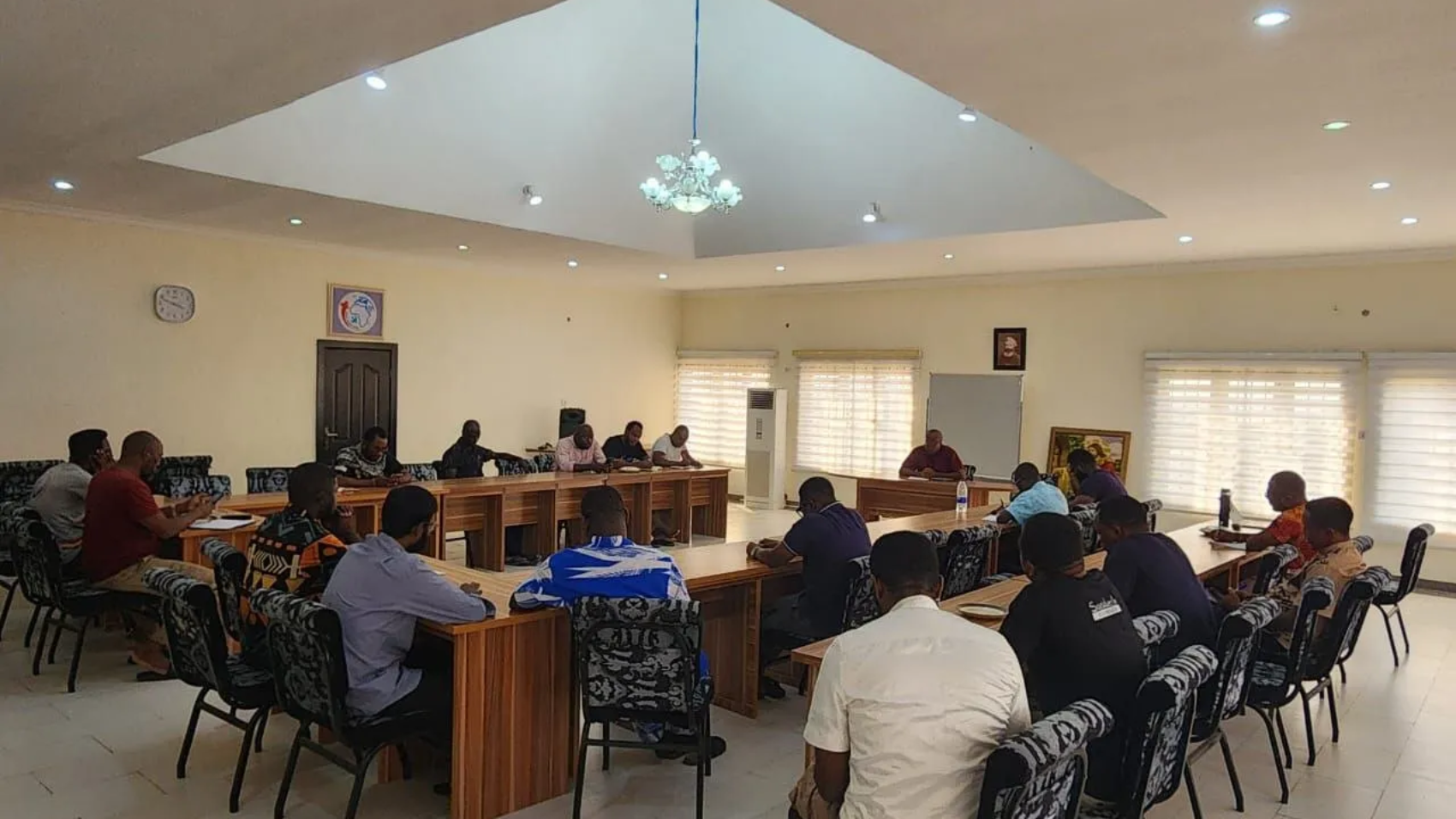
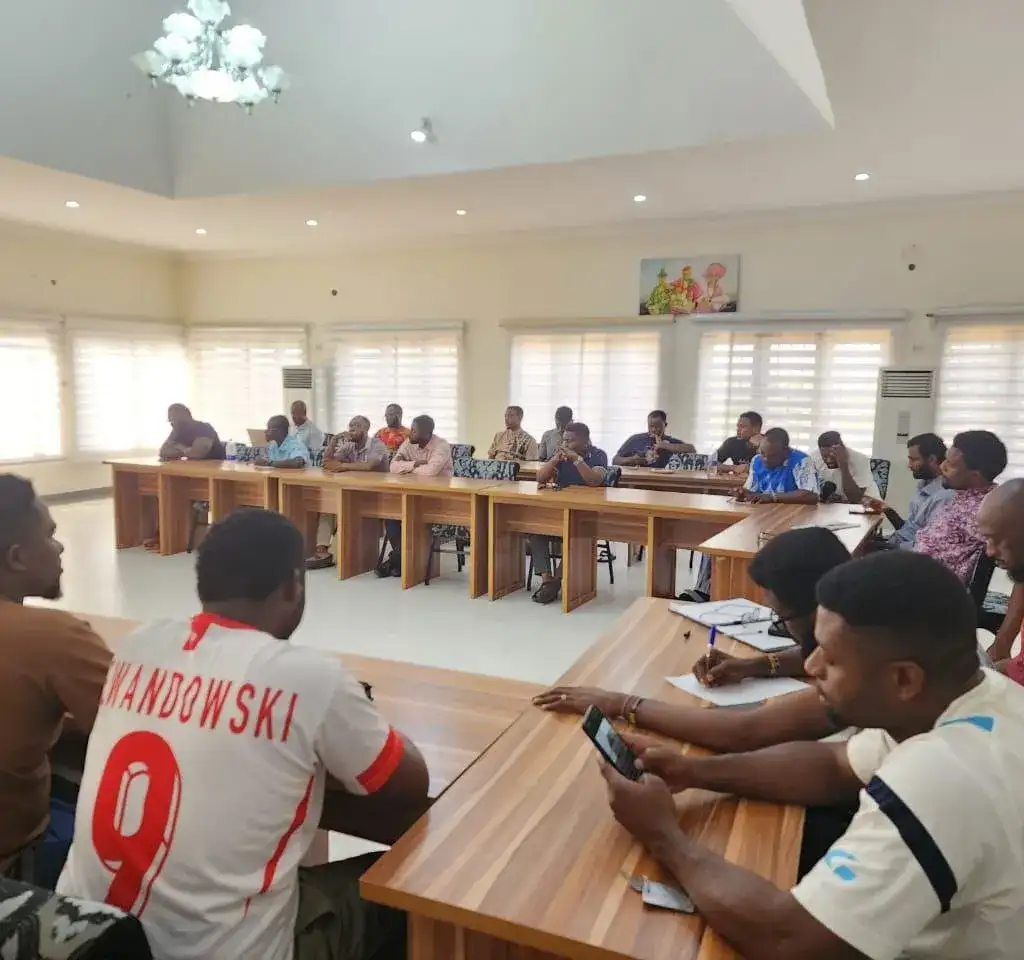
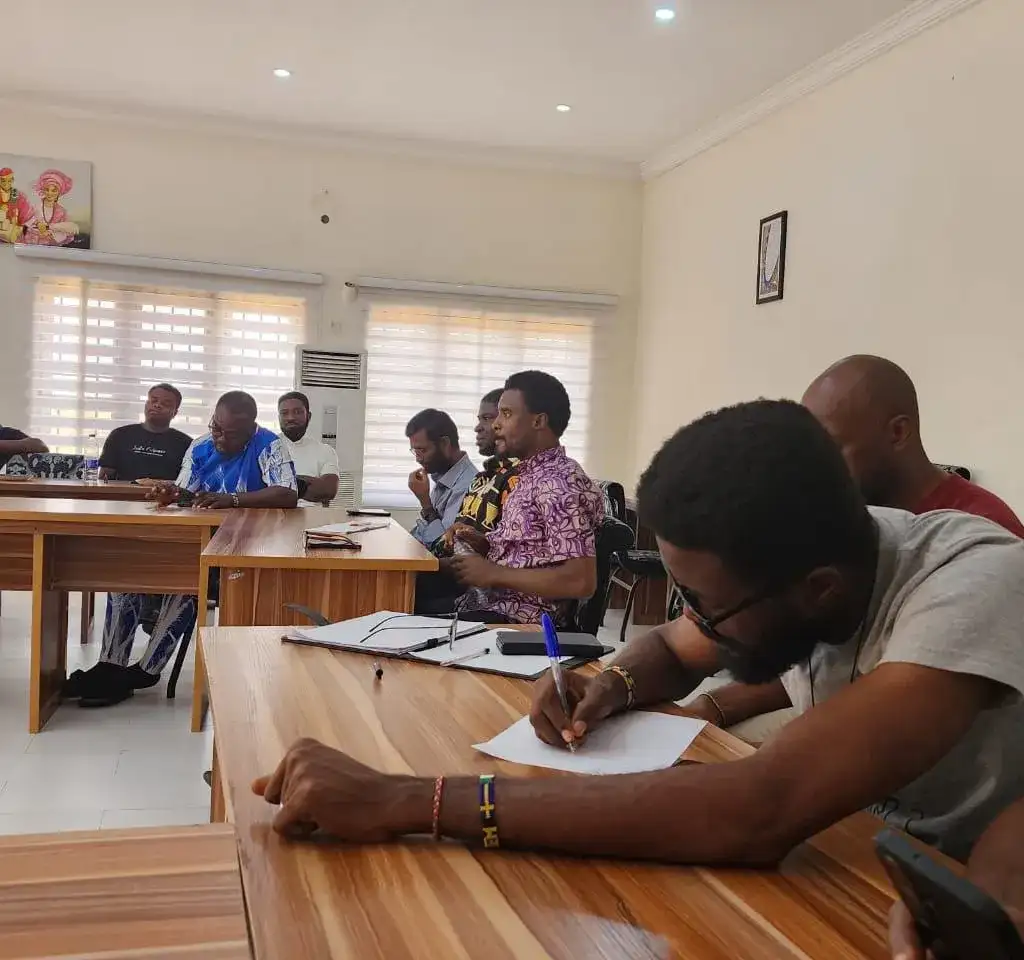
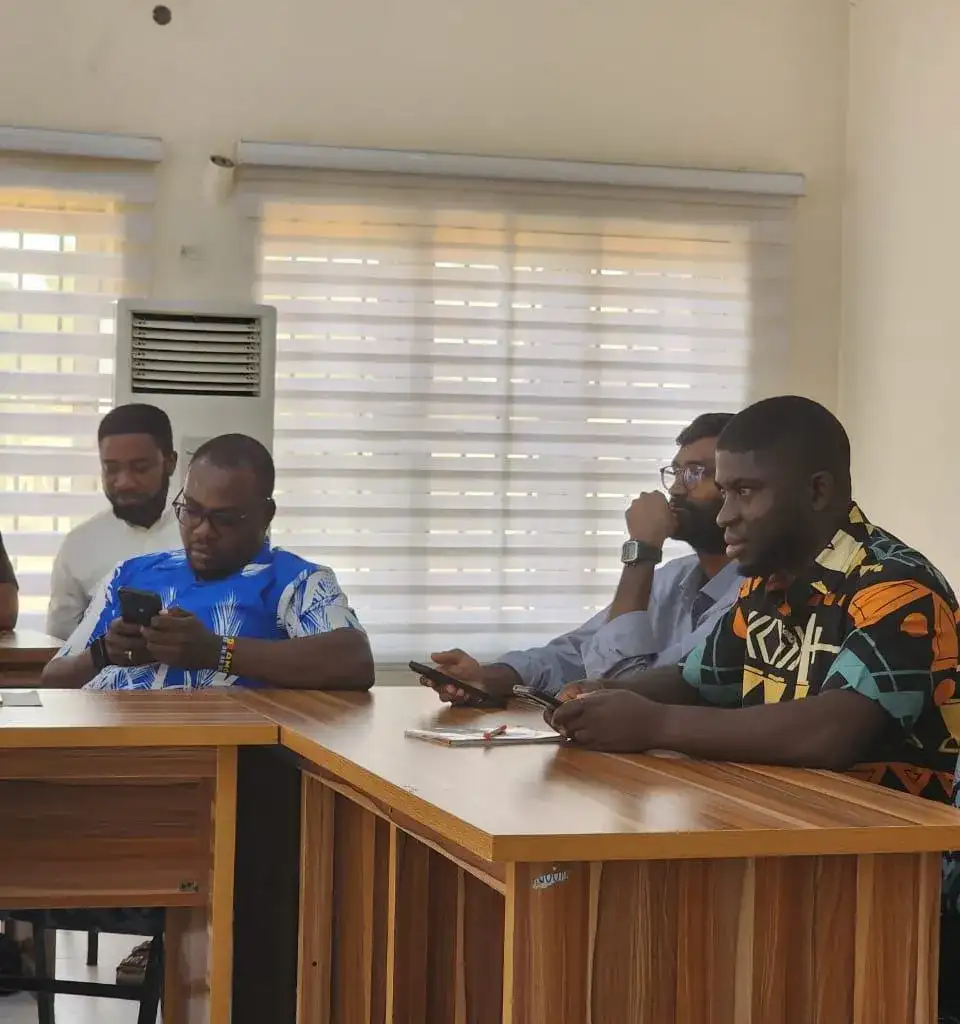
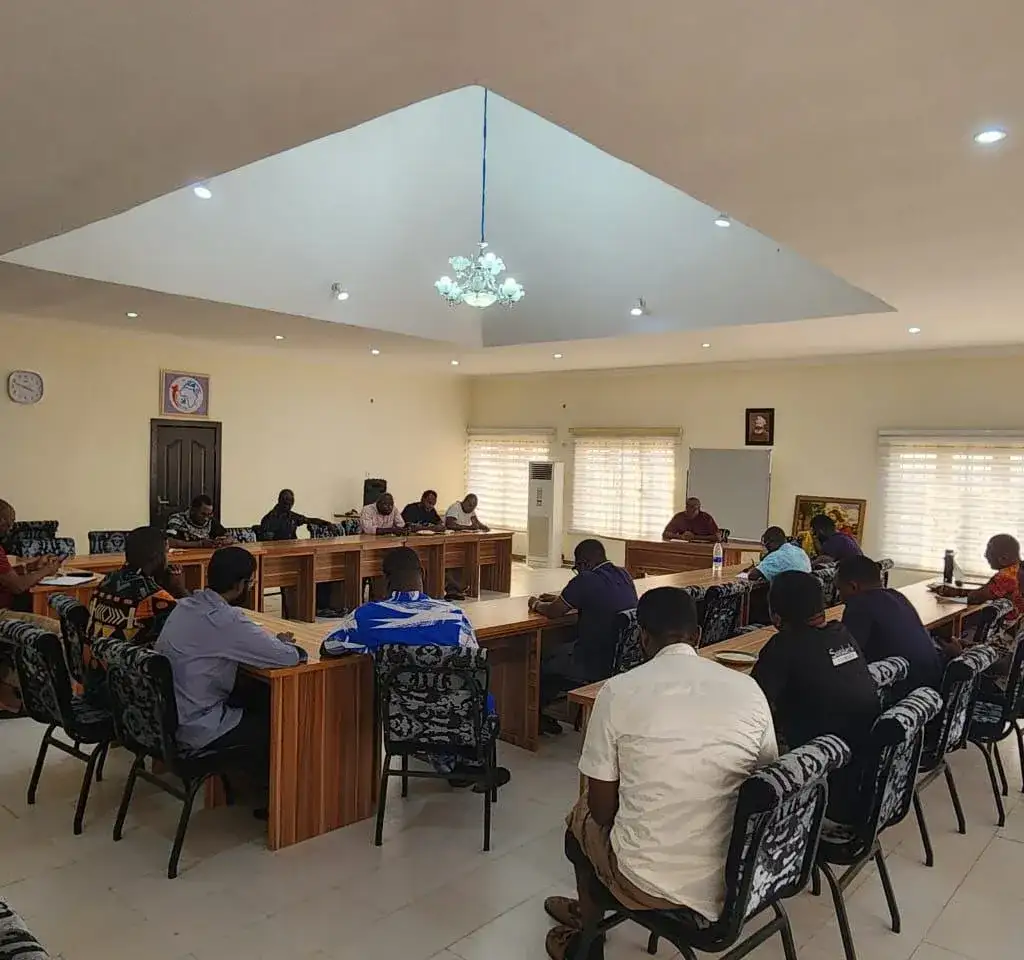
The Retreat and Quinquennium Formative Meeting, held under the theme “Called to Mercy and Compassion” and preached by Fr. Samuel Okwuiedegbe, S.J. and “Salesians formed for the mission” by Fr. Tony Ekezie, SDB, provided an important moment of spiritual renewal and formative reflection for participants.
The retreat emphasised the rediscovery of God’s mercy as the foundation of Christian vocation and ministry. Confreres were invited to recognise that human weaknesses are not obstacles but privileged spaces where God’s grace becomes active. By accepting themselves as the first recipients of divine compassion, they are better disposed to extend understanding, reconciliation, and genuine love to others. The retreat highlighted the call to become instruments of hope, healing, and fraternity, even when living compassion requires sacrifice and generosity.
Building on this spiritual foundation, the Quinquennium Formative Meeting focused on the practical living of the vocation in community and mission. In the first session, facilitated by Fr. Samuel Okwuiedegbe, S.J., attention was given to the importance of affective maturity in priestly and consecrated life. Celibacy was presented not as a rejection of love but as an invitation to love more freely, sincerely, and universally. The reflections stressed the need for emotional balance, self-awareness, and healthy relationships as essential elements for avoiding unhealthy isolation and fostering authentic and joyful ministry.
The second session, facilitated by Fr. Tony Ekezie, SDB. highlighted the significance of the first five years after ordination or final profession as a privileged period for growth in identity and commitment to the Salesian mission, particularly among the young and the poor. Confreres were encouraged to remain open to ongoing formation and to cultivate a healthy integration of prayer and pastoral service. The Eucharist, personal prayer, and the Sacrament of Reconciliation were emphasised as vital sources of strength for sustaining missionary zeal and fostering lasting fruitfulness in ministry.
Finally, the retreat and formative meeting offered Confreres an opportunity to deepen their awareness of God’s mercy while strengthening their commitment to continuous growth, community life, and dedicated service in the Church’s mission.

The Salesian presence in the historic Roman district of Testaccio dates back to the beginning of the twentieth century. The origin of the Opera Salesiana Testaccio can be traced to the year 1900, when the primary apostolate entrusted to the Salesians was the care of the primary schools affiliated with the Holy See.
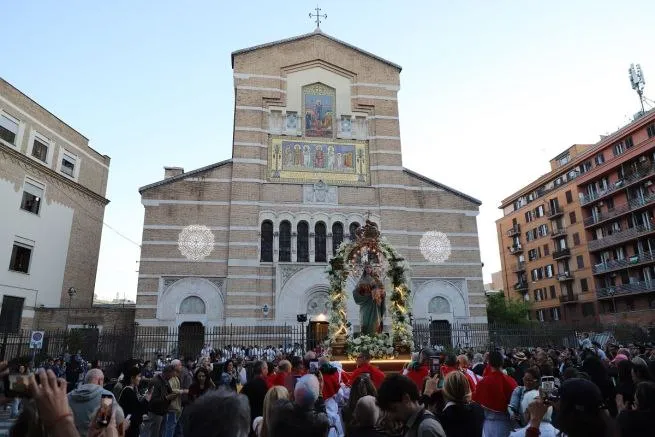
Initially, the mission had been proposed to the Benedictines of St. Anselm. However, Pope St. Pius X personally encouraged Don Michele Rua, the first successor of St. John Bosco, to entrust the work to the Salesians. Accepting the Pope’s invitation, Don Rua sent confreres who travelled daily from the Salesian community of the Sacro Cuore (Sacred Heart) in central Rome to carry out the mission in Testaccio. What began as a modest educational initiative gradually grew into a vibrant centre of Salesian pastoral activity.
As the Salesian presence took root in the neighbourhood, the pastoral needs of the local population also became part of the mission. This development led to the establishment of the parish Santa Maria Liberatrice (St. Mary the Liberator), which was officially consecrated on 29 November 1908.
With the parish came a new and dynamic dimension of Salesian life: the oratory. Faithful to the spirit of Don Bosco, the oratory quickly became a gathering place for large numbers of young people who came daily for prayer, formation, recreation, and companionship. The mission in Testaccio thus expanded beyond the classroom to embrace parish ministry, youth pastoral work, and educational formation.
Over time, the Salesian work in the area developed its distinctive character. Parish activities flourished, youth groups and pious associations were formed, and the oratory became a lively centre of Christian and social life for the young people of the district.
For many years, the Salesians serving in Testaccio still officially belonged to the community of Sacro Cuore in Rome. This situation continued until 1921, when the Salesian community of Testaccio was formally established under the patronage of St. Joseph Cafasso, the spiritual guide of Don Bosco.
As the decades passed, the educational apostolate that had marked the beginning of the mission gradually changed. The school, once the primary focus of the work, was progressively reduced until 1980, when it remained only with primary classes. The unused classrooms were then adapted to serve another important Salesian need: housing for Salesian seminarians and students pursuing studies in philosophy and theology in Rome.
Today, the Salesian community of Testaccio reflects the international character of the Congregation. Over the years, the seminarians who once lived here have been replaced by Salesians from different parts of the world who come to Rome for specialization and studies at the Pontifical Universities.
At present, the community is home to 38 confreres representing countries such as Brazil, Argentina, Italy, Nigeria, Congo, Tanzania, Kenya, and India, among others. The community is led by Fr. Orestes Carlinhos Fistarol, who serves as Rector.
Life in Testaccio therefore, continues the rich Salesian tradition of study, fraternity, and pastoral commitment. The community not only serves the local parish and youth but also forms part of the wider mission of the Congregation by supporting the academic and spiritual formation of Salesians from across the globe.
Recently, the community had the joy of welcoming the Provincial and the Provincial Economer, who are currently visiting confreres studying or working in Europe. Their visit was a moment of fraternal encounter, encouragement, and renewed connection with the Province.
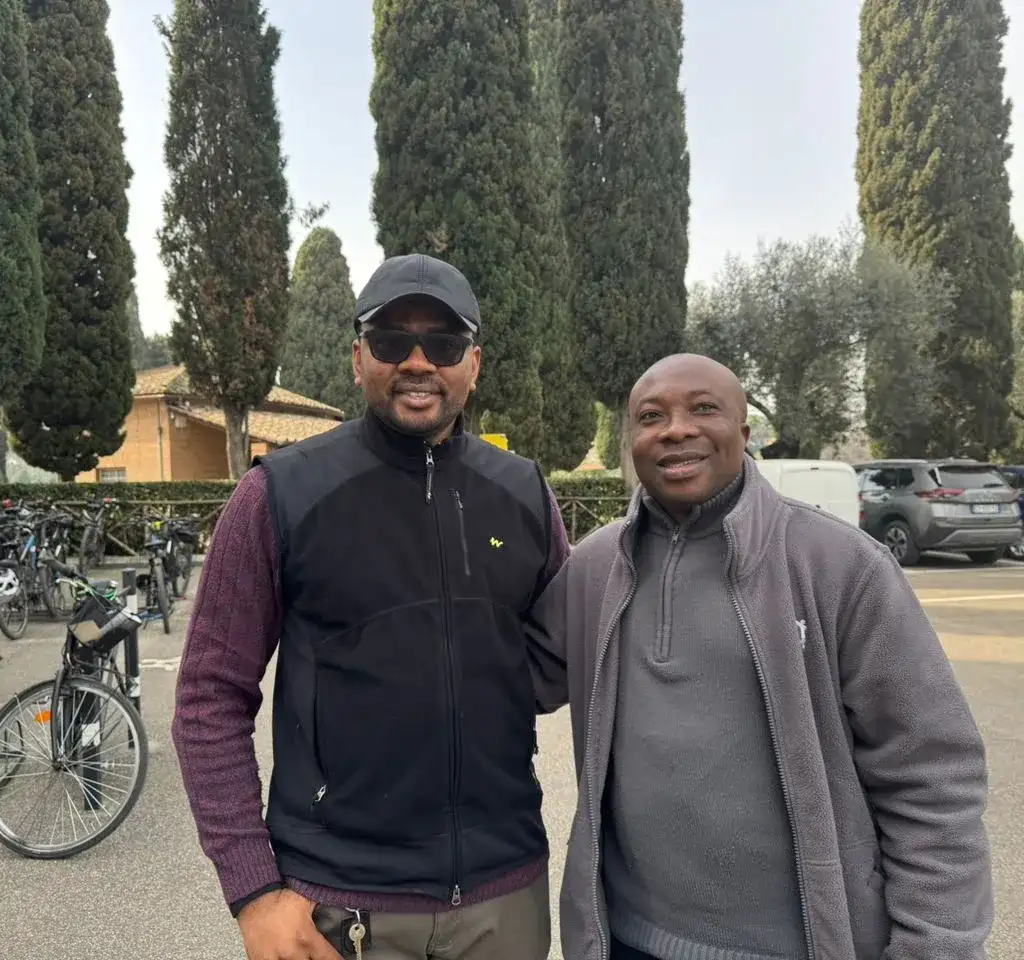
For those of us living and studying far from home, such visits are a reminder that we remain deeply united with our confreres and our mission back in the Province. It was a moment of shared conversation, prayer, and reflection on the ongoing mission of Don Bosco in different parts of the world.
Even here in the heart of Rome, the spirit of Don Bosco continues to live on — in community life, in pastoral service, and in the commitment to form ourselves more deeply for the service of the young.
- Deacon Ekene-Maria Adizue, SDB
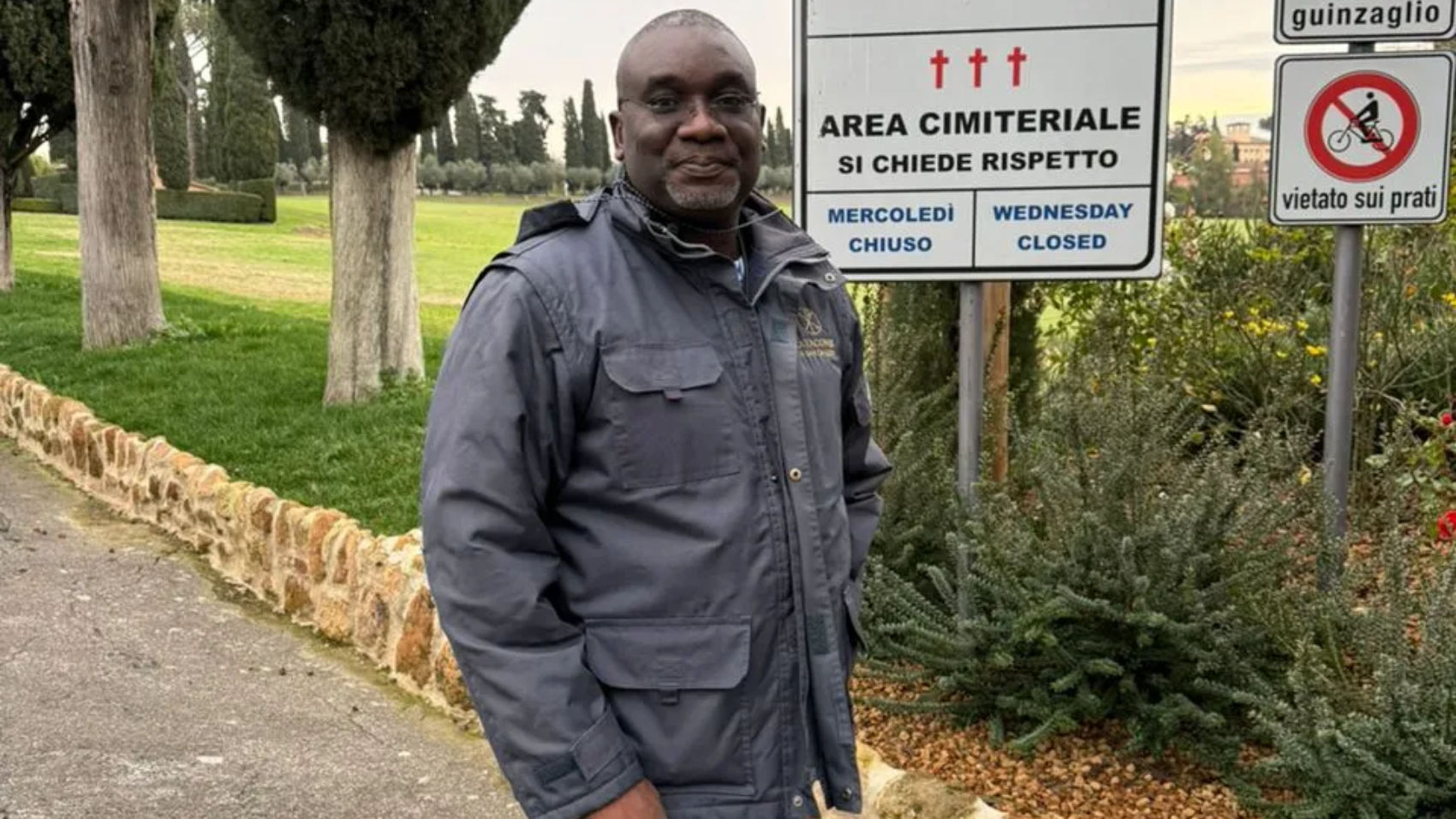
When I arrived at the community of the Catacombs of San Callisto on 21 January, I received a warm Salesian welcome from the rector and Fr Paschal from ZMB. Providence arranged my arrival at a curious moment: the catacombs were closed to the public, and many confreres had taken the opportunity for family visits. Out of a lively community of eighteen, we were only six at the table, proof that even in Rome, the early Church experience of “small communities” is still alive!
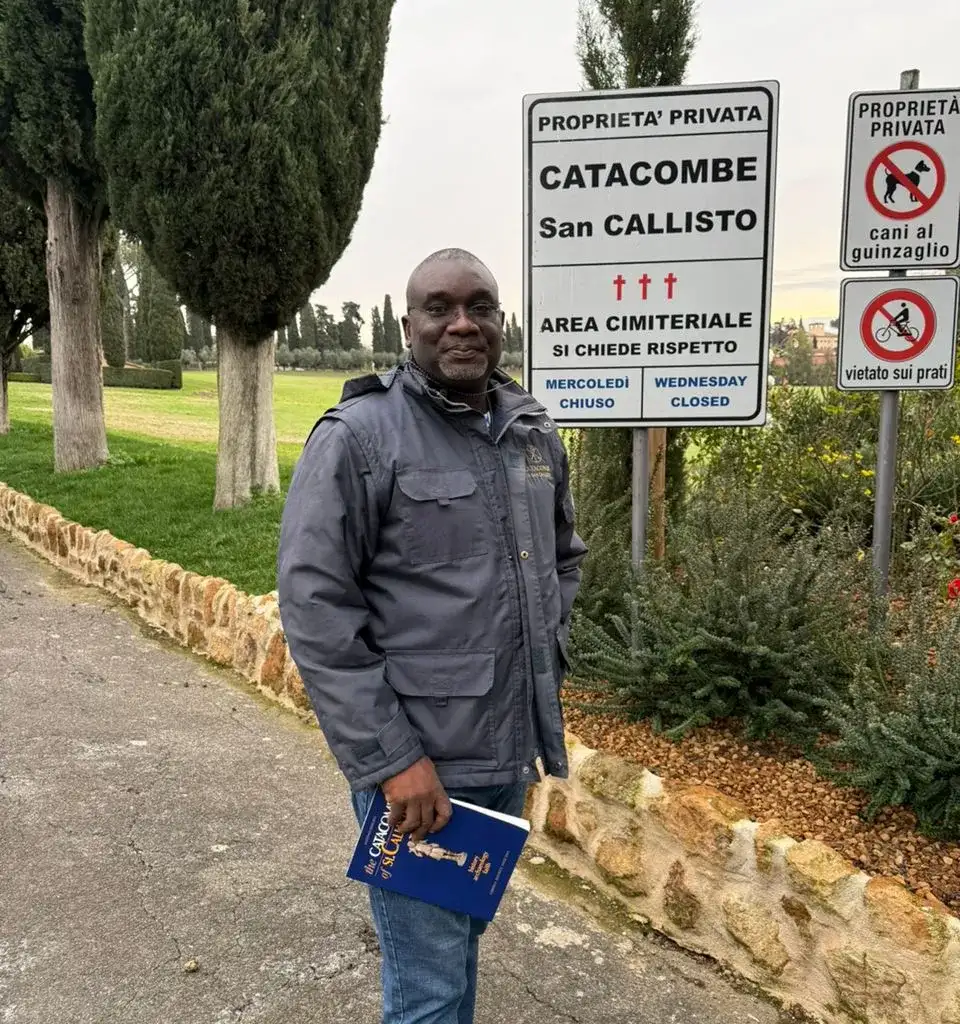
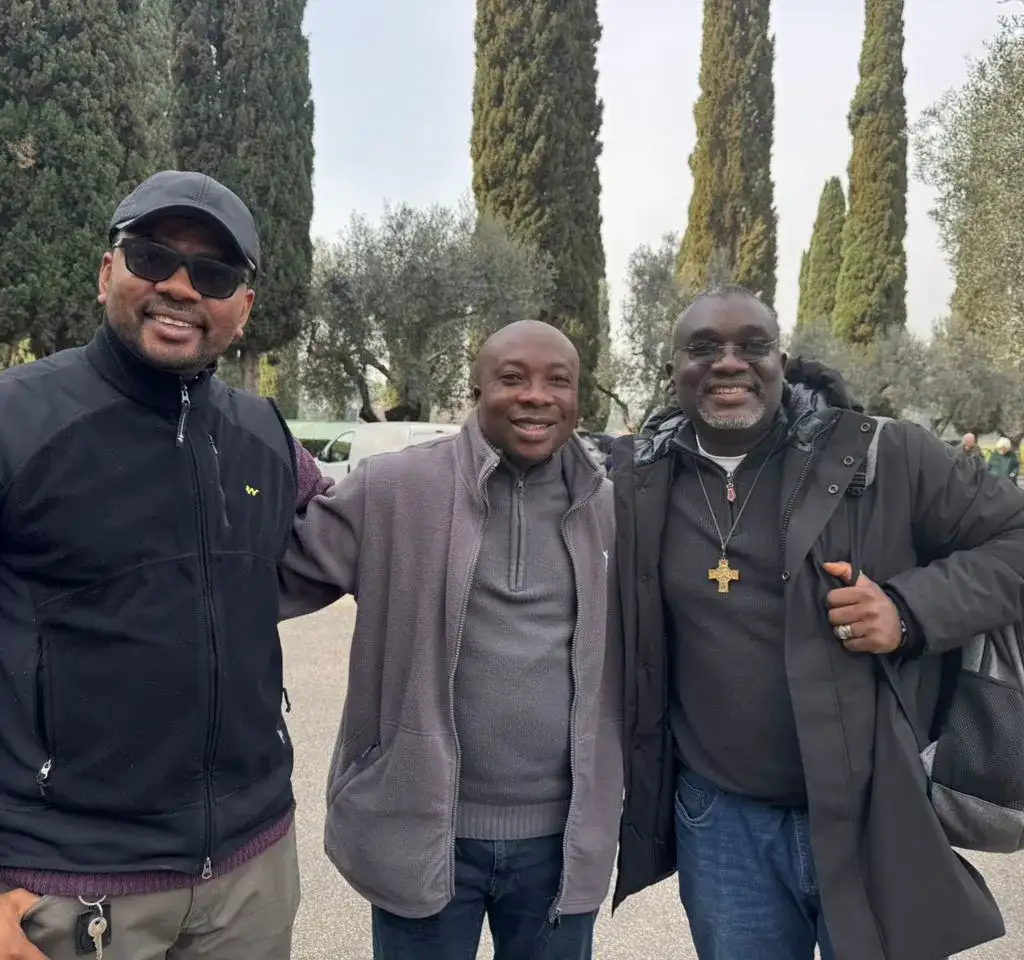
Gradually, the confreres returned, and by 12 February the house was fully operational again. In fact, the full community is quite an international gathering: 18 confreres from 14 different countries. One could say the catacombs are not only ancient but also wonderfully global. One thing quickly became clear: if anyone imagines a sabbatical here as a comfortable armchair, a quiet book, and perhaps a contemplative espresso… well, the catacombs may kindly invite you to reconsider. Down here, even “rest” has to pass through a staircase.
Meanwhile, I began Italian school on 2 February at the A2 level, bravely skipping the beginner stage thanks to some previous knowledge and, I must confess, the tireless evangelising efforts of the Duolingo owl. After a month, I completed the level and have now progressed to B1, which should conclude at the end of March. In short, the martyrs spoke Latin, the pilgrims speak everything else, and I am trying my best to keep up in Italian.
Life here moves at a brisk pace. I return from school around 1:50 p.m., have lunch, and complete assignments, and by 3:00 p.m., I am already back in the catacombs. Our principal task is guiding pilgrims and tourists through the underground galleries. Each visit lasts about 55 minutes and departs every half hour in various languages. My own apostolate is in English.
The schedule runs from 8:45 a.m. until 6:00 p.m., with a modest lunch break of about ninety minutes. This continues every day except Wednesday, when the catacombs is closed to the public. Among ourselves, we call Wednesday “our Sunday”, a small resurrection in the middle of the week.
What makes the experience fascinating is the challenge it presents: imagine meeting people you may never see again and having just 55 minutes to transmit something of faith. Through the stories of the martyrs, the witness of the early Christians, and the memory of the popes buried there, the catacombs themselves become a kind of underground catechism. The walls do not speak, but somehow, they preach.
For me, this sabbatical has become something different from what I first imagined. I expected perhaps a quieter period of study (mercifully without exams). Instead, I discovered another way of being Salesian: changing the field of work while remaining fully in mission, even several metres beneath the surface of Rome.
One final note for confreres who might be considering a similar experience: there are many rooms available here, especially for English-speaking confreres. And I can assure you, it is an experience worth having. Just be prepared… apostolic life sometimes leads us to unexpected places. In this case, quite literally underground.
Fr Adetiloye Matthew
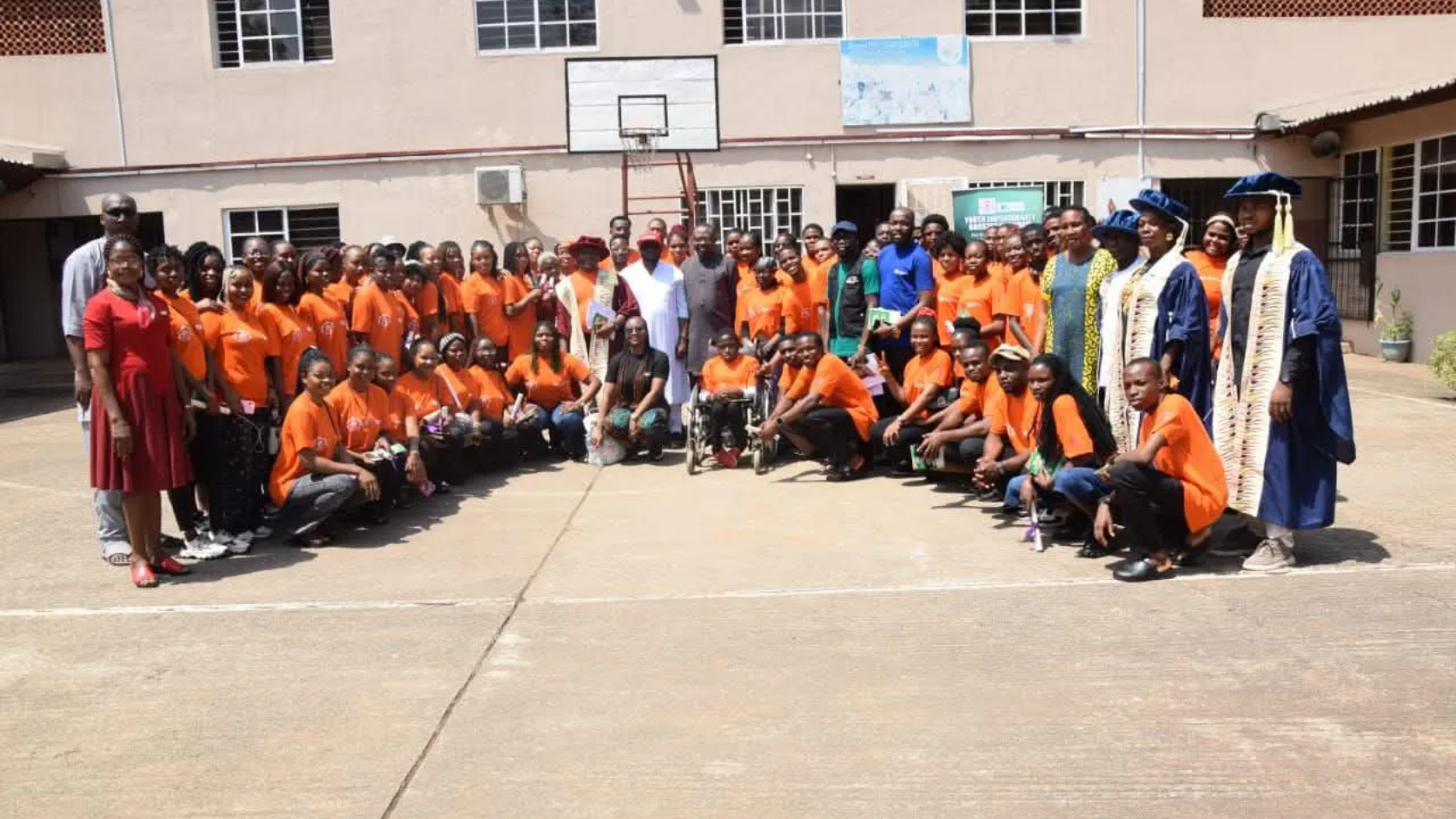
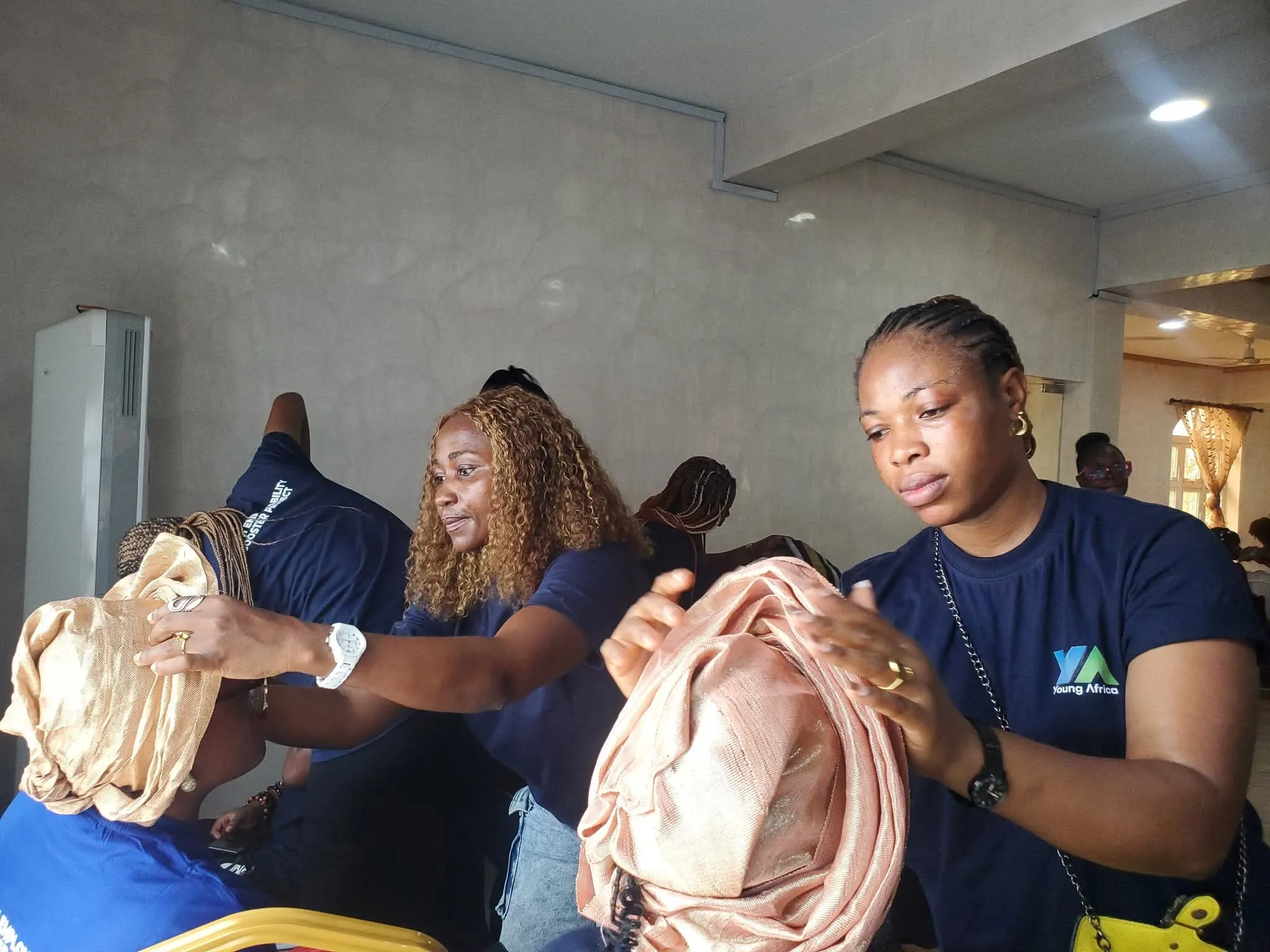
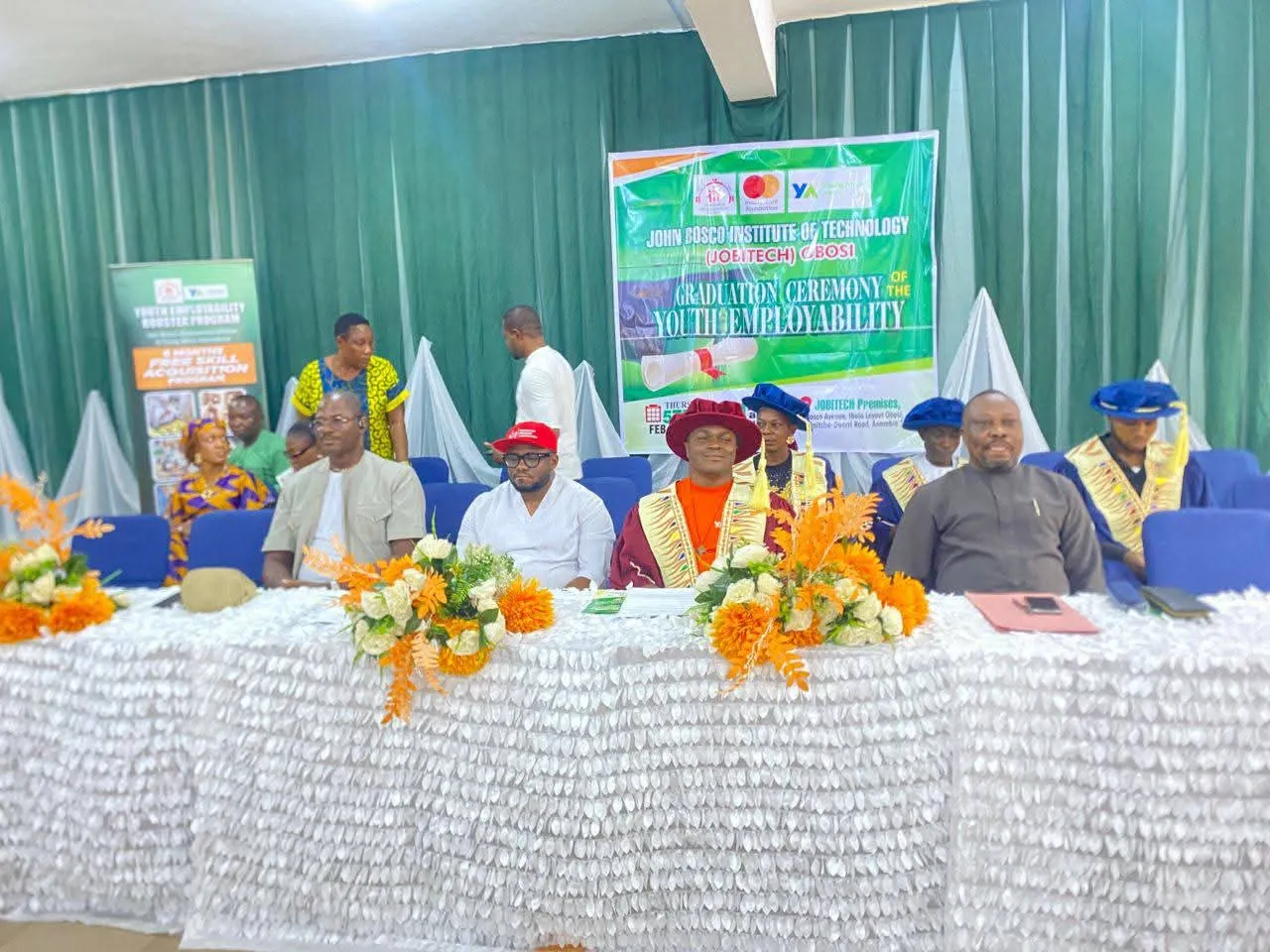
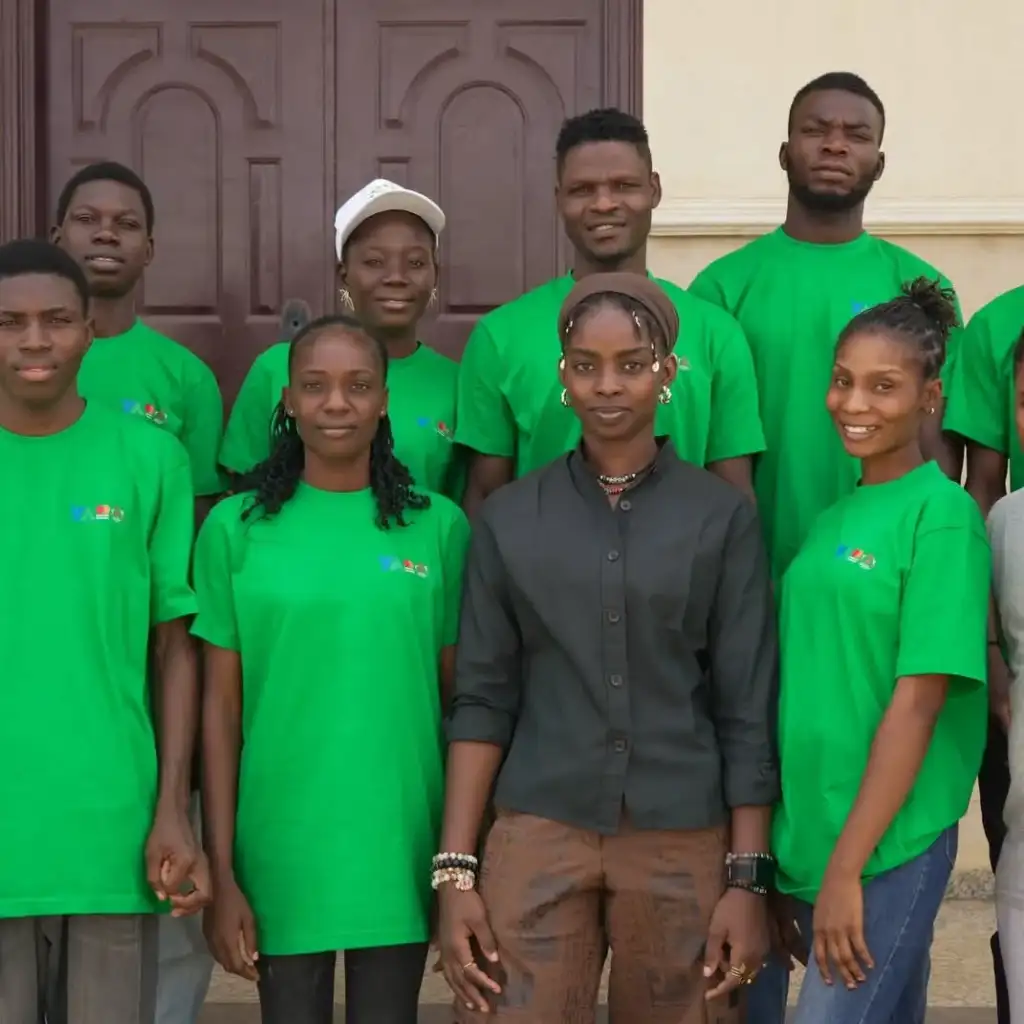
NIGERIA – In a landmark week for youth empowerment, the Youth Employability Booster Project successfully concluded its maiden graduation ceremonies across three Salesian key hubs: Lagos, Abuja, and Obosi. Supported by the Mastercard Foundation and Young Africa Nigeria, the ceremonies marked a significant milestone in equipping Nigerian youth with the market-ready skills necessary to navigate the modern workforce.
On February 6th, 2026, the Lagos Centre at Iju hosted a prestigious ceremony to honour its first cohort. The event featured high-level industry insights aimed at transitioning graduates from the classroom to the corporate world.

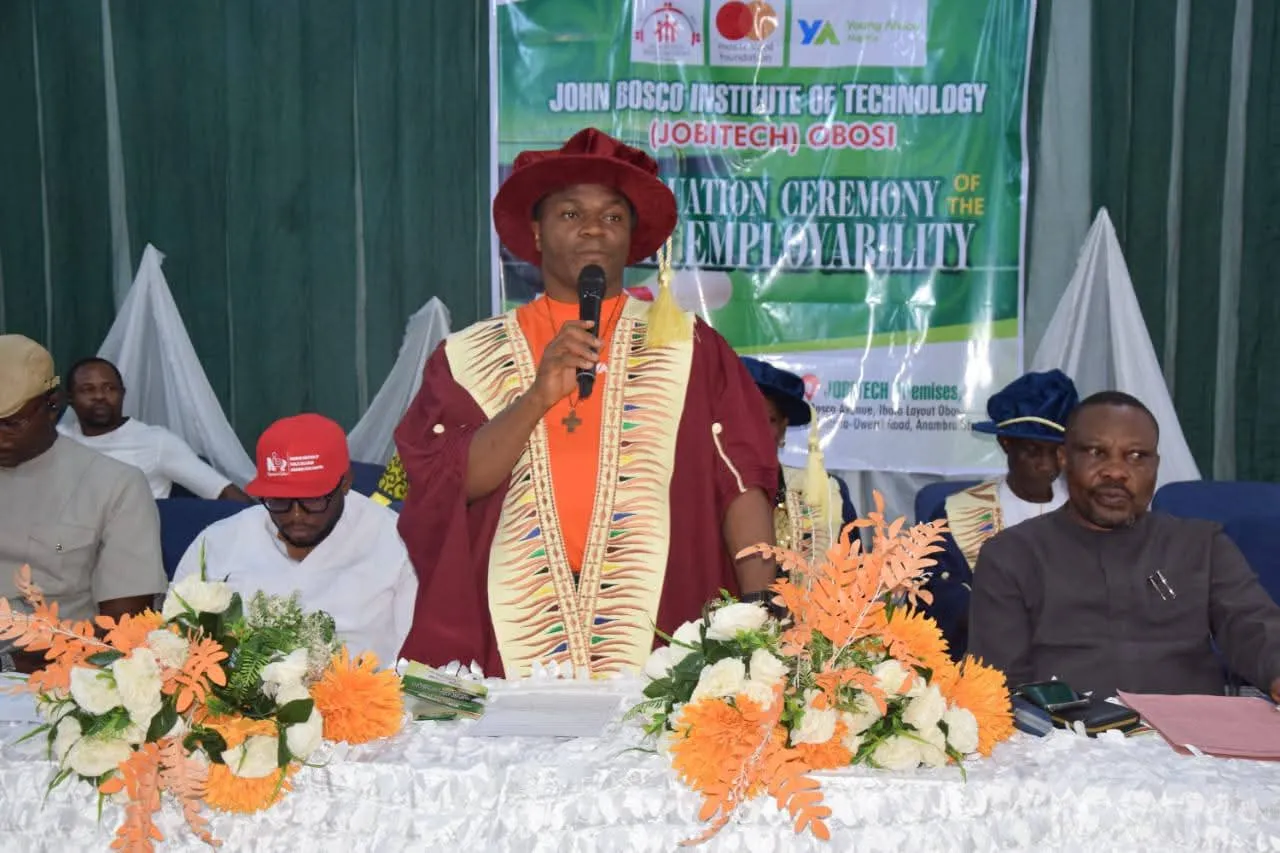
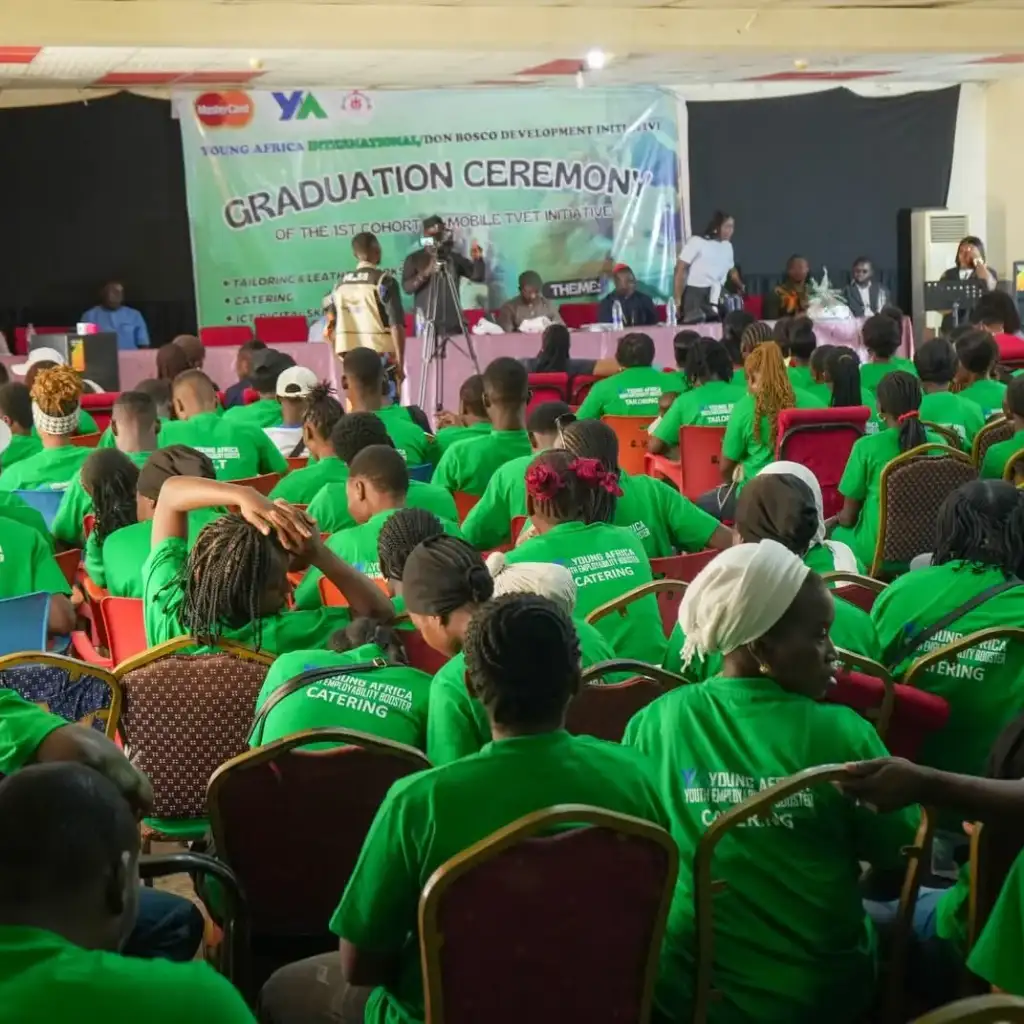
In Ibolo Obosi, the atmosphere was vibrant as the Young Africa International/Don Bosco Initiatives Mobile Training Cohort 1 celebrated its completion.
A total of 114 participants graduated after intensive training across diverse skill areas. This cohort, specifically sponsored by the Mastercard Foundation, highlighted the “life-changing” nature of the mobile training model, which brings high-quality vocational education directly to local communities.
The celebrations kicked off earlier in the week on February 4th, 2026, at the Abuja Centre in Kubwa. The maiden ceremony was described as a moment of deep reflection and inspiration.
Organisers praised the graduands for their consistency and determination, noting that this graduation is not just an end, but a “meaningful step forward” in their professional journeys. Like the Lagos event, the Abuja ceremony was bolstered by the presence of key partners who reaffirmed their commitment to empowering Nigerian youth with future-proof skills.
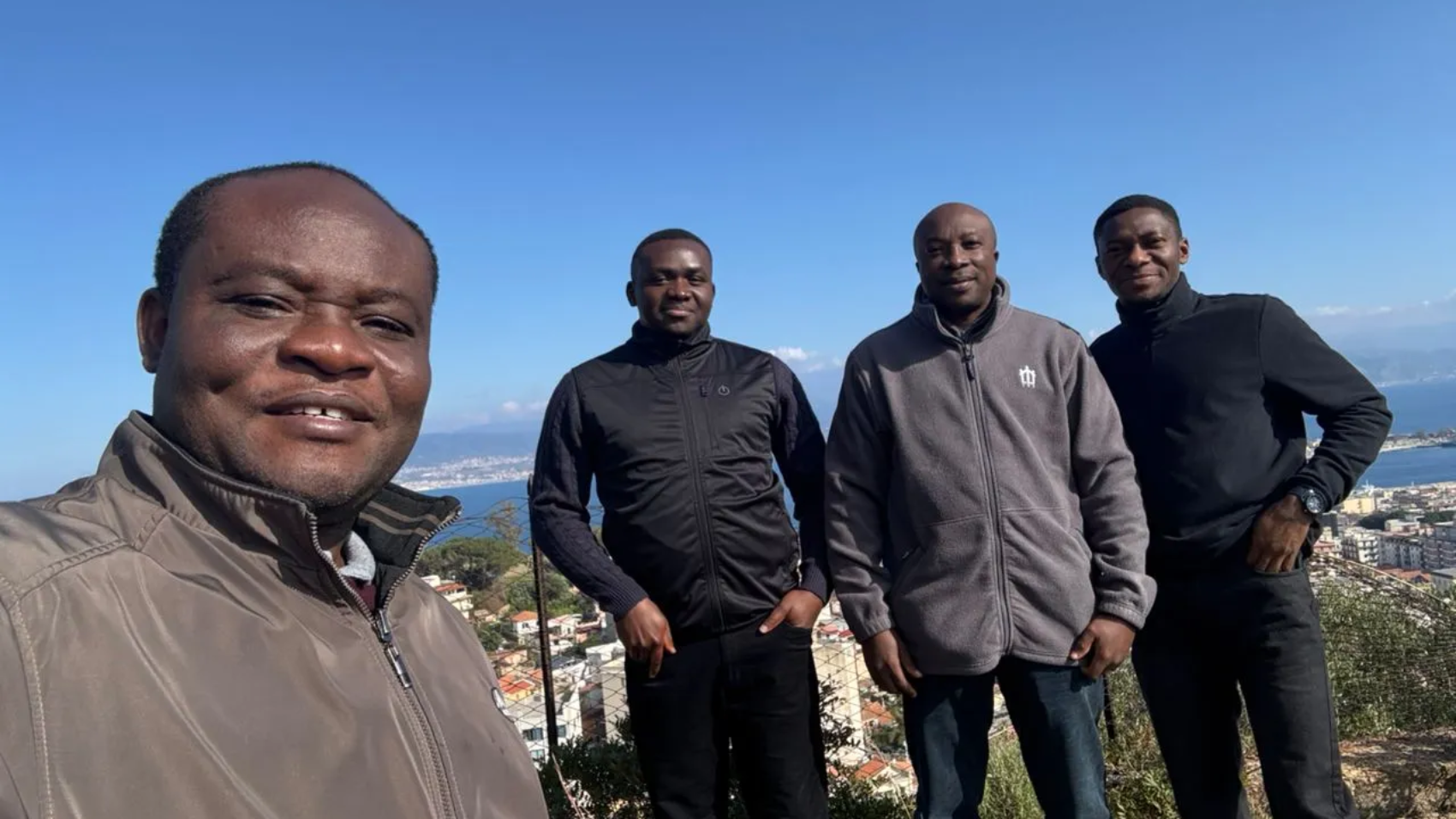
At the heart of the Salesian community in Messina, Italy, two theology students, Stephen Aji-Imoter and Marcel Ezenwa, are embracing their formation journey at the St Thomas Aquinas Salesian Theologate. […]
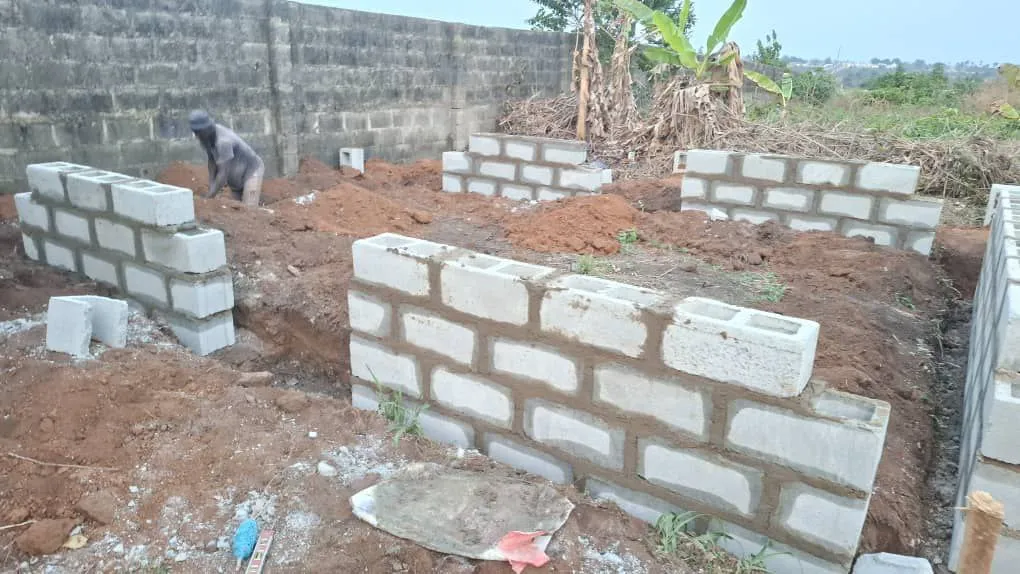
With gratitude to God, the Ijebu-Ode Community continues to witness remarkable growth and development in many aspects of its life and mission. Truly, the theme “The Great Uplifting” reflects the steady progress recorded in beekeeping, agriculture, fish farming and production, construction, and community life.
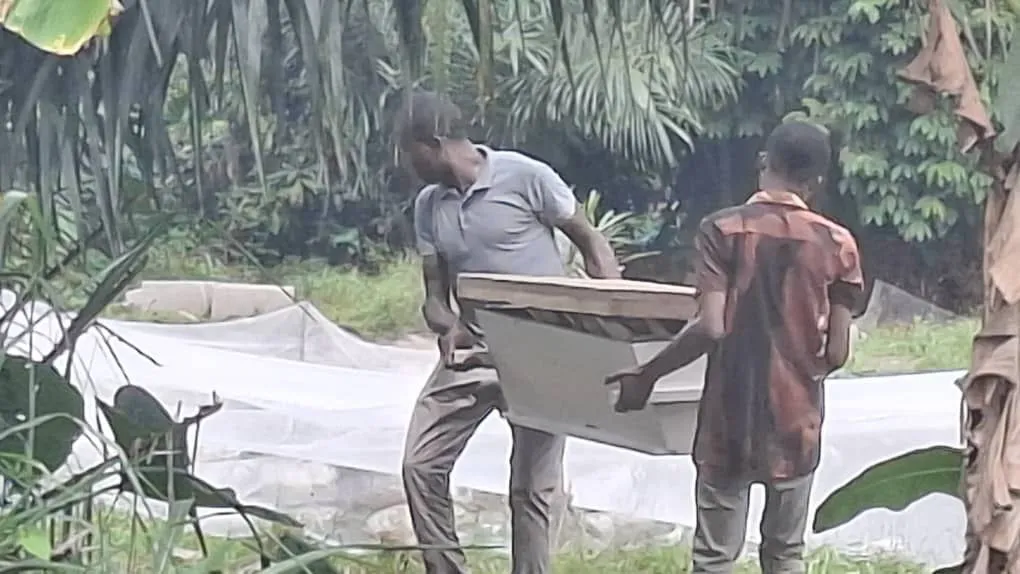
The apiary project has been successfully established, with nine beehive boxes already installed. Although the hives are yet to be occupied by bee colonies, the community remains hopeful and prayerful that nature will soon favour the project with thriving colonies.
In the area of agriculture, the community vegetable garden has been established with various crops, including ugu, okro, green vegetables, and pawpaw, currently at the nursery stage. The community is optimistic that this initiative will soon contribute meaningfully to both nutrition and sustainability.
The fish farm and feed mill are also making encouraging progress. We have already begun smoking and selling fish from the investment, which was initiated at the inception of this administration. This marks a positive step toward self-sufficiency and economic empowerment within the community.
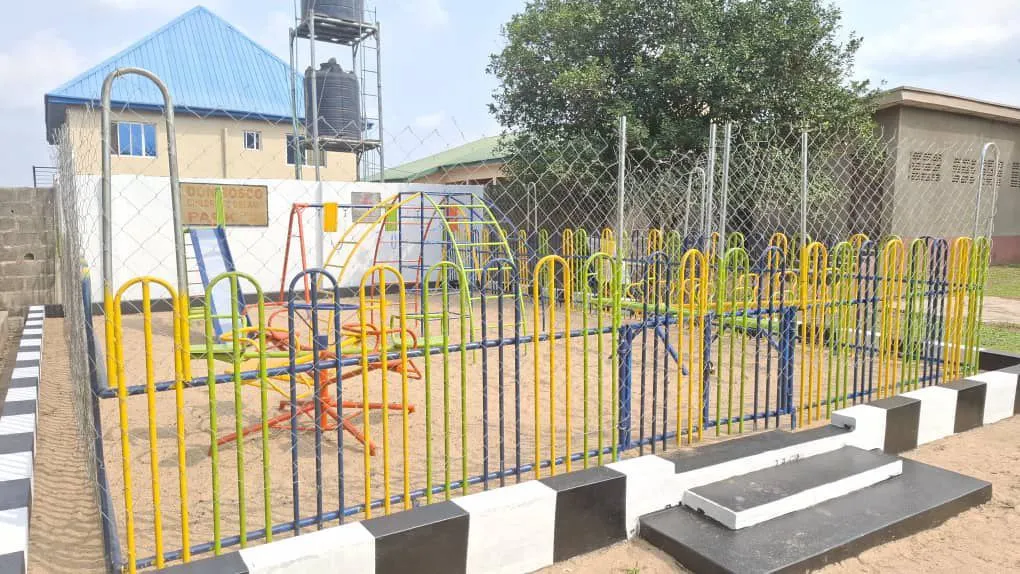
In the area of education and youth development, the St. Joseph’s School playground facilities and installations have been completed. This project was generously sponsored by the Salesian Voluntary Missionary Service, Krakow, Poland, and will be commissioned on Monday, 9th March by the Diocesan Director of Education. The playground will serve as an important recreational and developmental space for the school’s pupils.
The Mary Help of Christians Parish Grotto project is also progressing steadily and continues to receive remarkable support from parishioners and friends, reflecting the community’s deep Marian devotion.
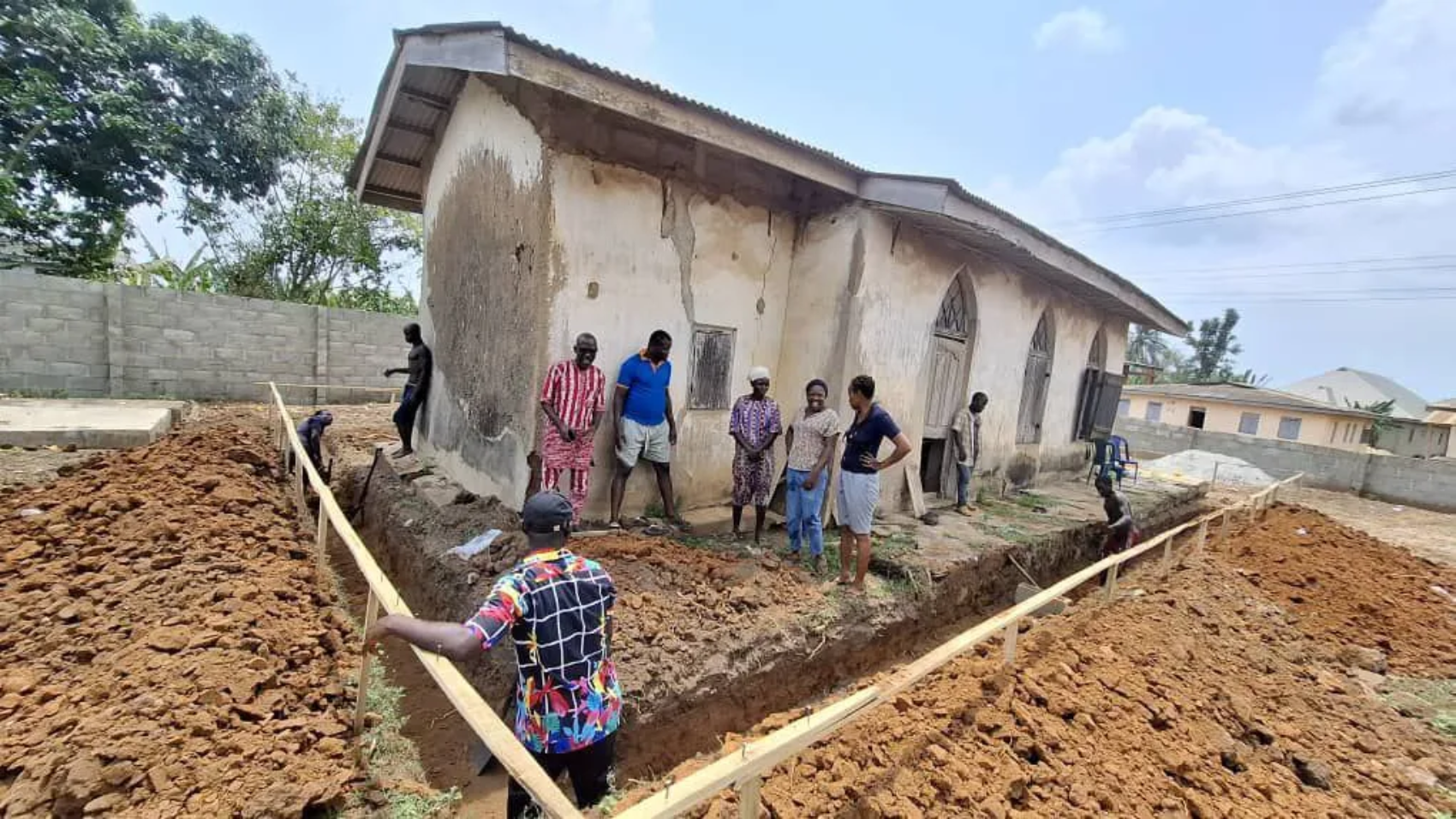
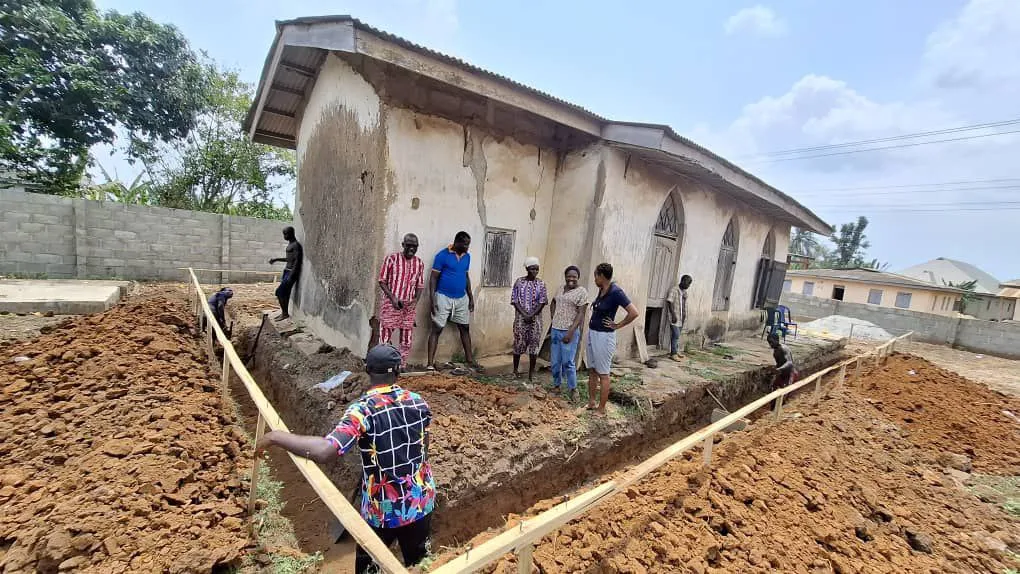
Furthermore, an important milestone will be reached as the foundation of St. Joseph’s Catholic Church will be laid on Monday, 9th March by the Dean of Iloti Deanery. The project is proudly sponsored by the PDO, while the foundation excavation work has already been completed, paving the way for the next phase of construction.
Indeed, these achievements testify to the spirit of cooperation, faith, and commitment within the community. As the journey continues, the Ijebu-Ode Community remains grateful to God and hopeful for even greater accomplishments ahead.
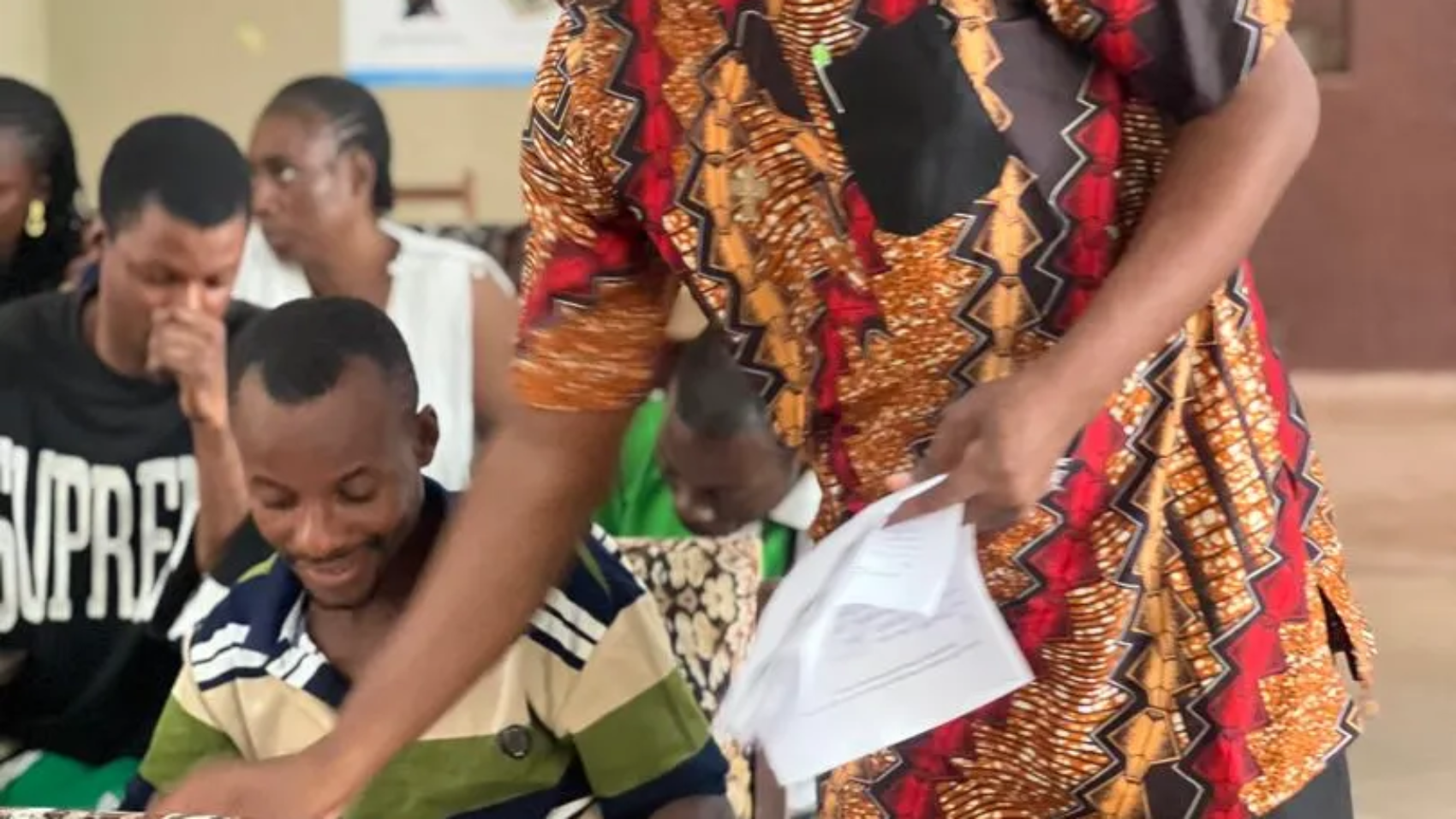
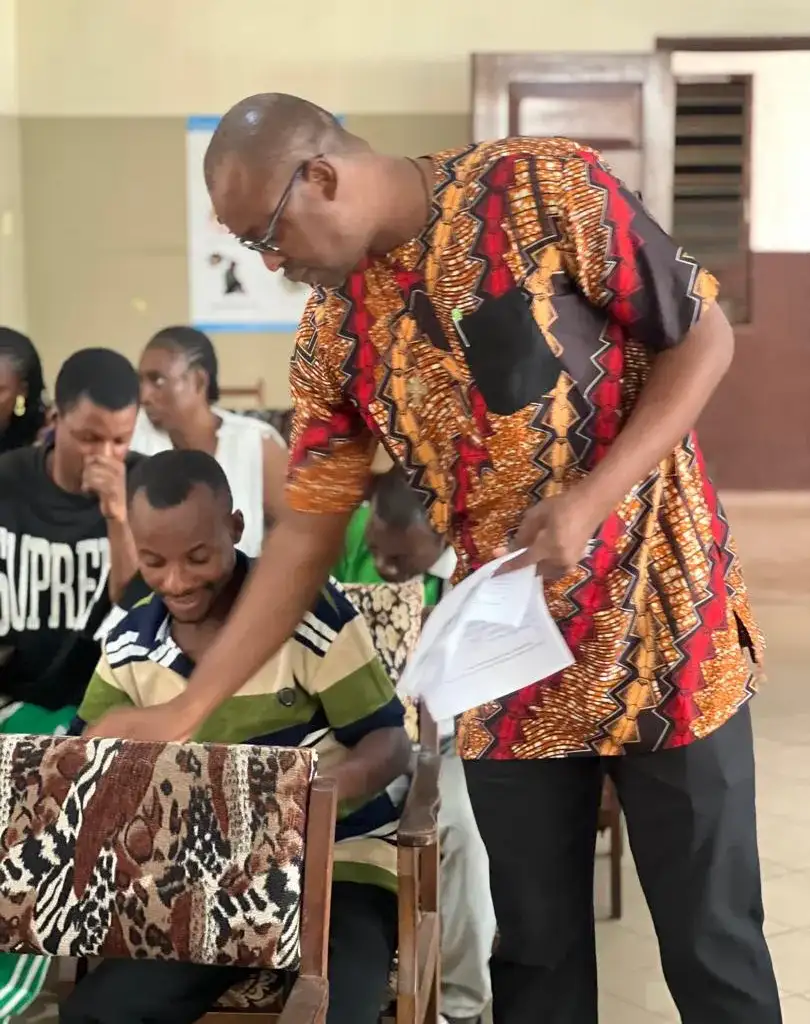
The Salesian communities within the ANN Province recently conducted a series of strategic formation sessions aimed at fostering professional synergy and reinforcing our commitment to child protection. These sessions were held at the Ibadan (Post-Novitiate) community on February 19, followed by workshops at Mary Help of Christians, Akure, and St. Jude Science and Technical College, Tse-Mker, today, February 20.
Each program commenced with interactive team-building exercises and icebreakers. These activities were designed to alleviate professional stress and cultivate a genuine “family spirit”—a cornerstone of our educational philosophy—ensuring that staff members across all departments are aligned in mission and morale.
A central component of these gatherings was a comprehensive review of the Safeguarding Policy. This session served two critical purposes:
The provincial mandate remains clear: young people in our institutions must not only be safe in principle but must feel safe in practice. Through collective vigilance and shared responsibility, we continue to uphold the highest standards of institutional integrity.
Together, we are capable of achieving this vital mission.


