Emma Hungary (7)

A Missionary Heart in Hungary

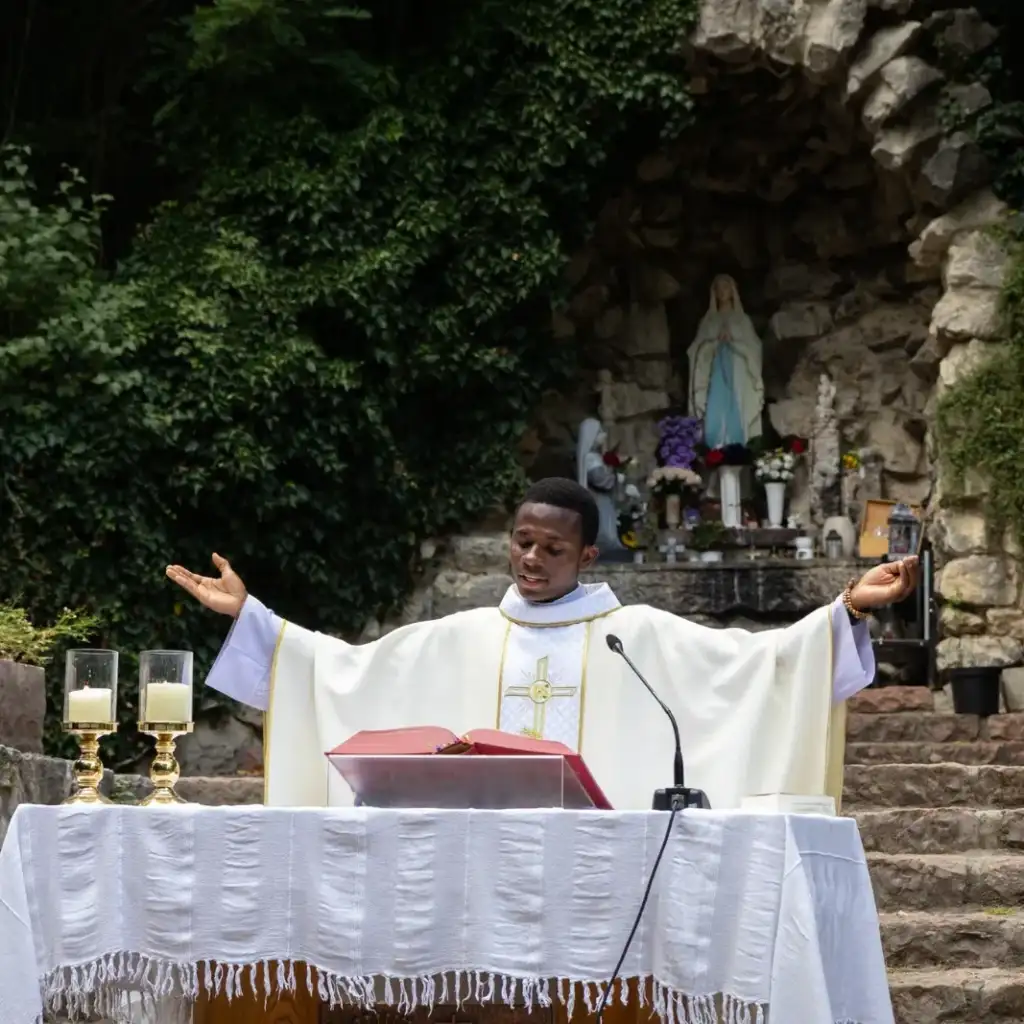
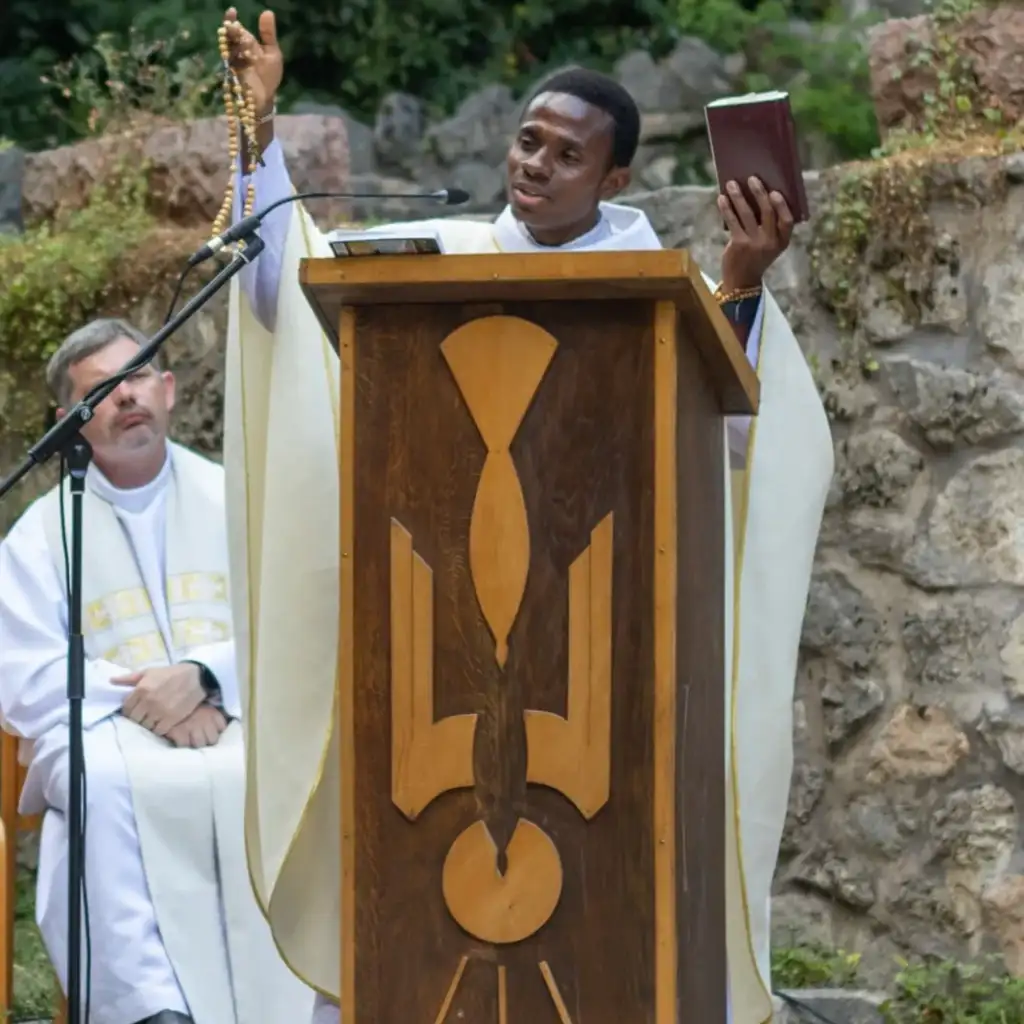
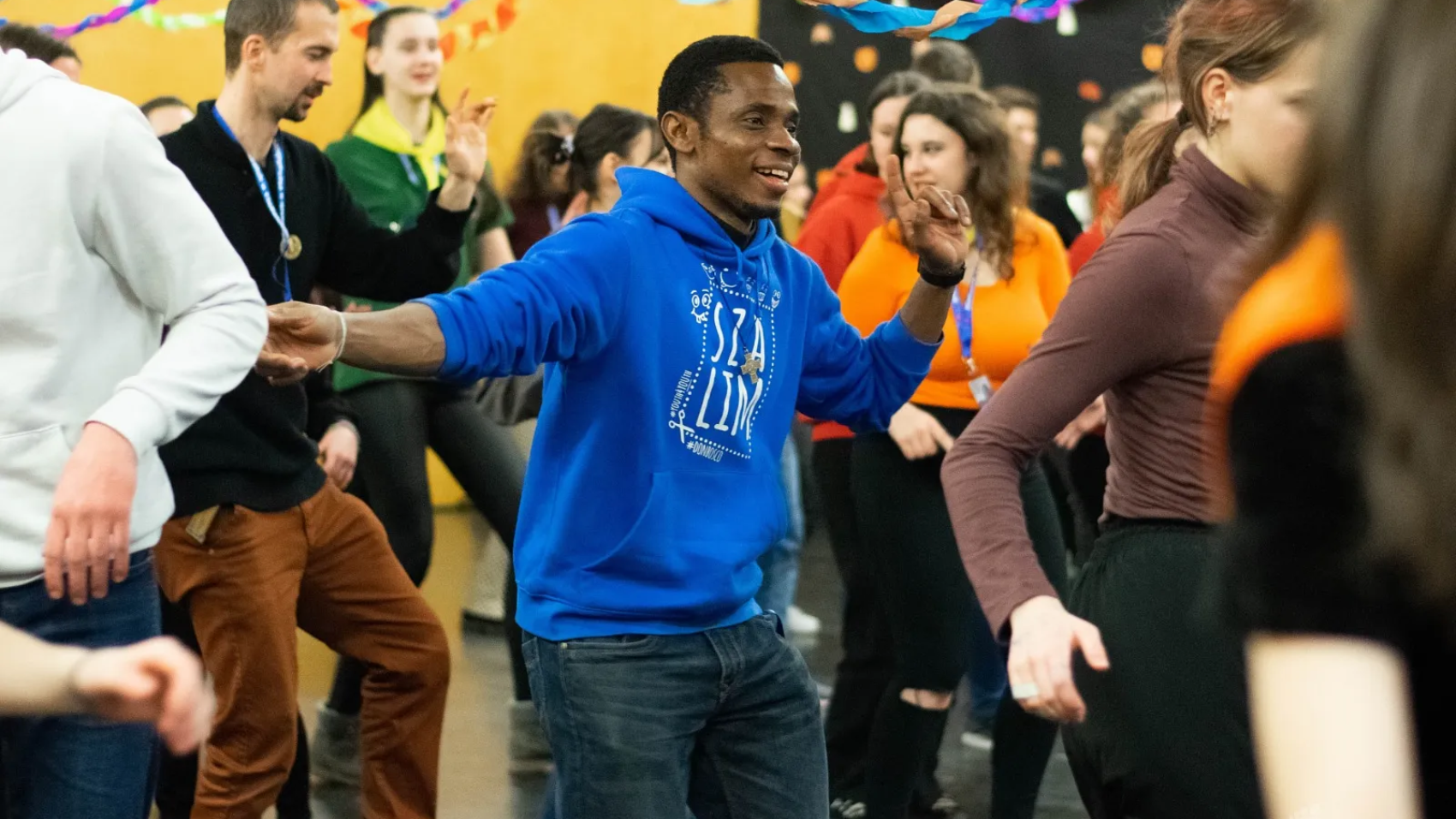
I am Fr Ilodigwe Emmanuel Chekwube, a Salesian priest and missionary from Nigeria, currently serving in Hungary. By God’s grace, in 2026 I will celebrate ten years of missionary life in this beautiful land. Looking back, my heart is filled with gratitude — truly, all has been God’s doing, and all is for His glory.

Recently, our community in Hungary had the great joy of welcoming the Provincial and the Provincial Economer from my home Province. Their visit was a moment of deep fraternal communion – a reminder that even though we are far from home, we remain united in one Salesian family.
Dear Fr. Peter and Fr. Raphael, thank you for your presence, your closeness, and your prayers. Your visit strengthened us and renewed our missionary zeal.

The Hungarian Province is one of the youngest and also one of the smallest in Europe. We are just 25 Salesians, yet the mission entrusted to us is vast and demanding. We continue to pray earnestly for vocations, trusting that the Lord will send labourers into His vineyard.
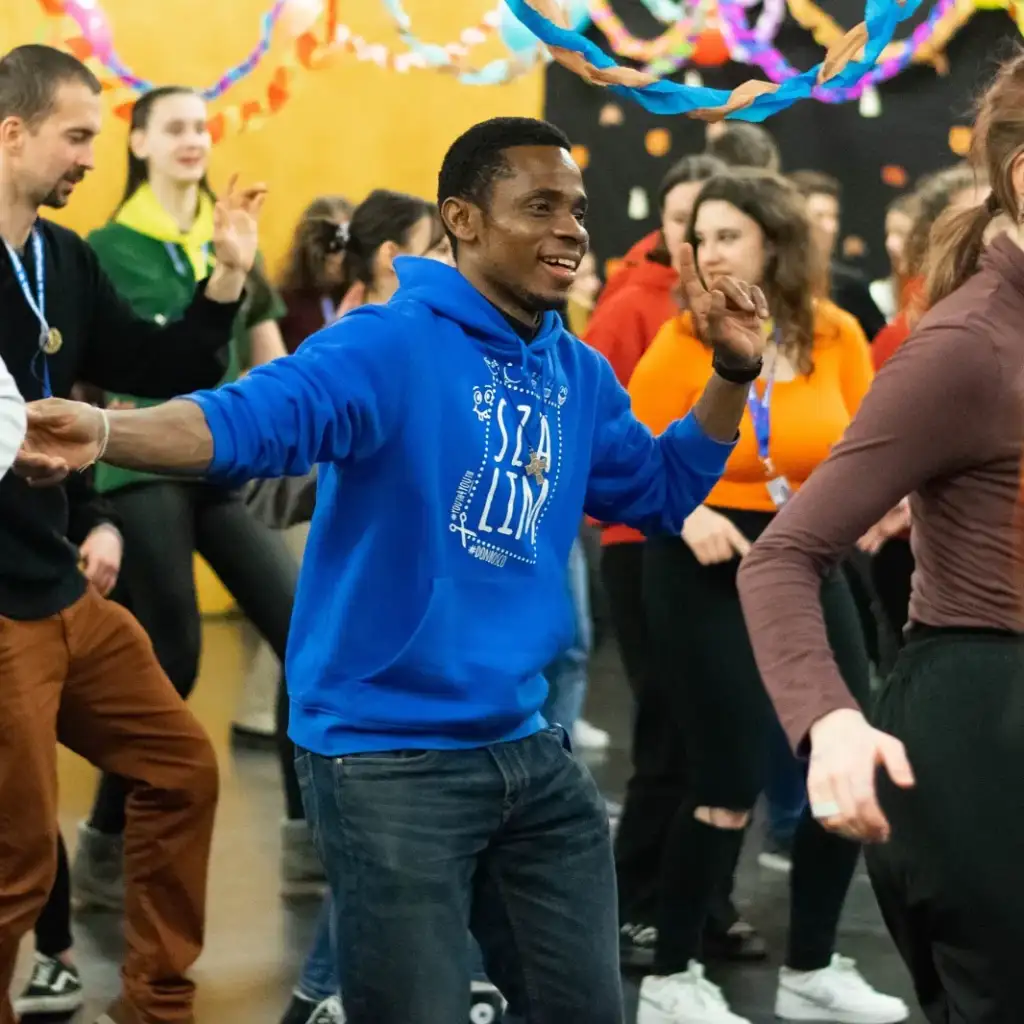
To any young confrere discerning the missionary path, I say: do not be afraid to say yes to God. The mission needs you. Here in Hungary, despite our small number, we are actively involved in a wide range of apostolates — schools, oratories, parish ministry, and outreach among the poor, especially in some of the most disadvantaged areas of the country. For us, what truly matters is not how many we are but the quality of our presence and witness.

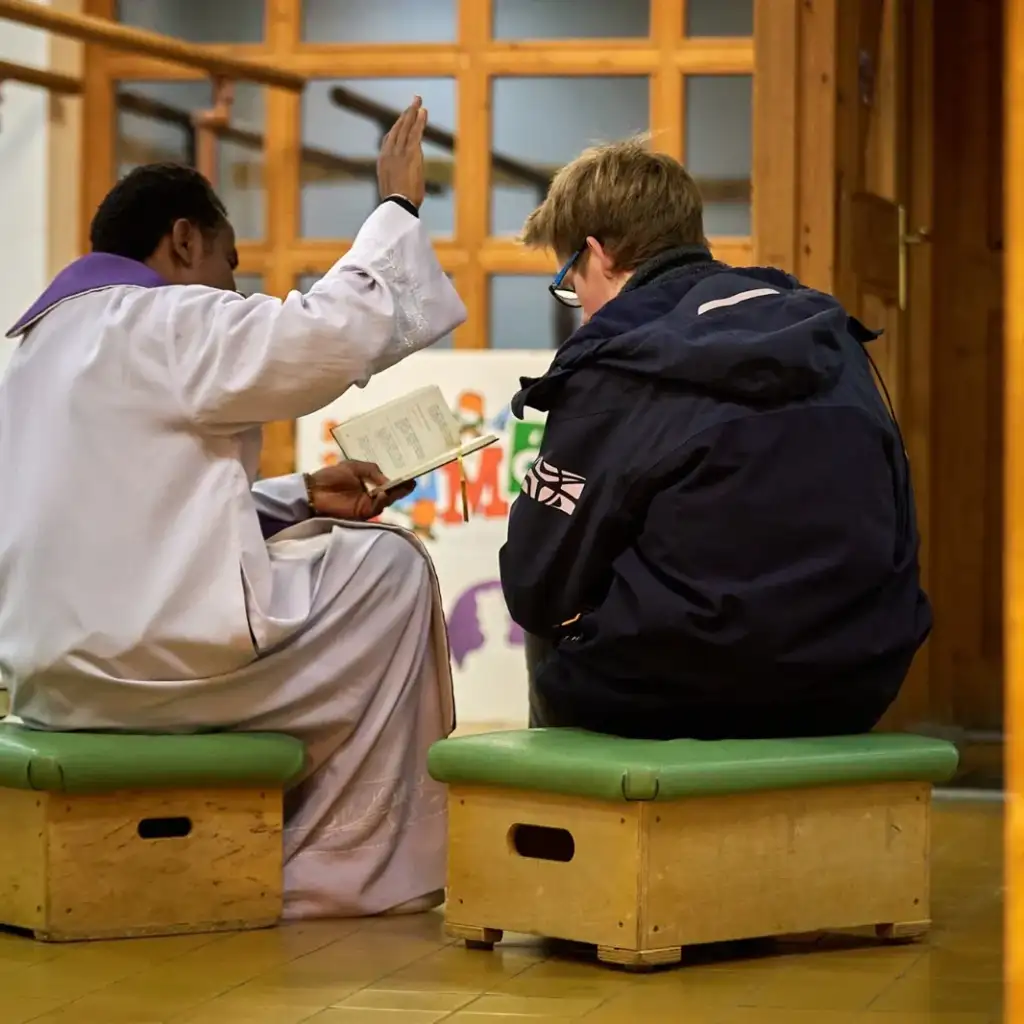
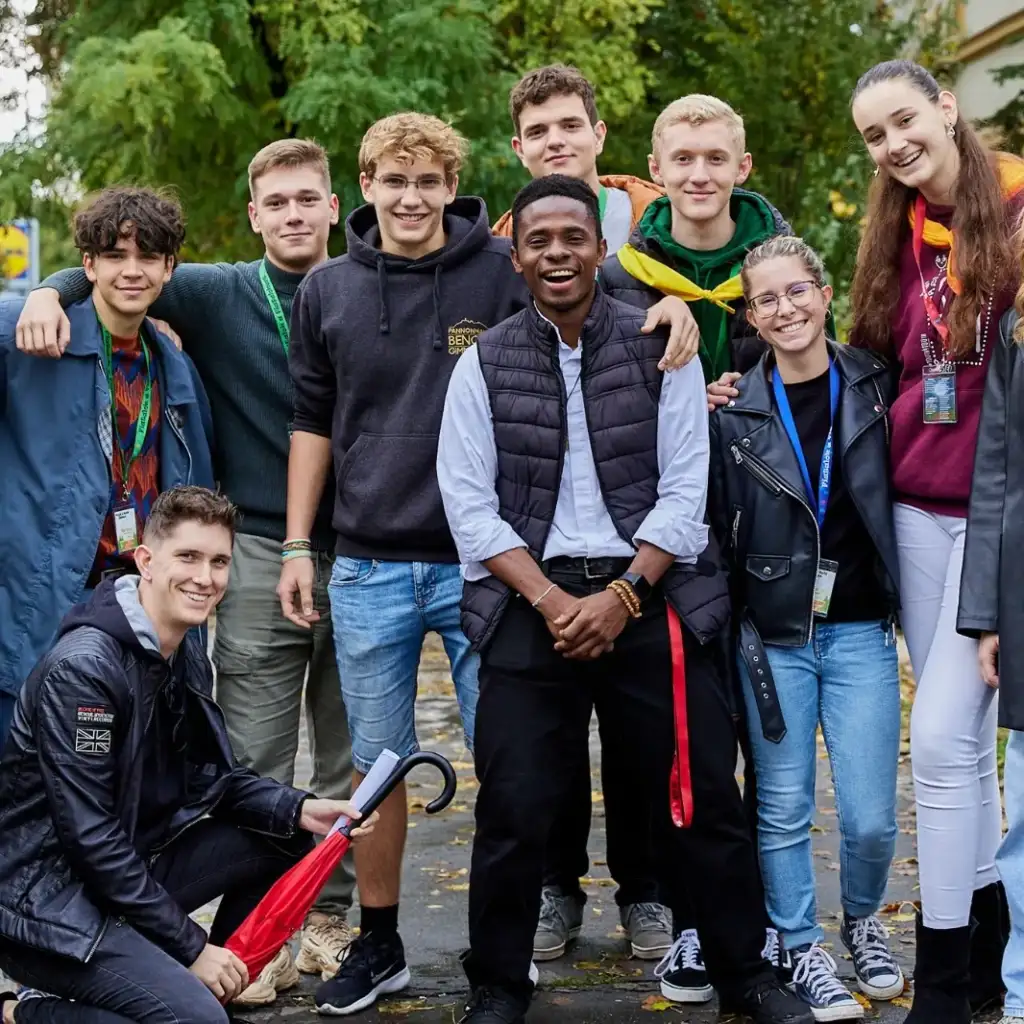
My primary apostolate is in the school setting, where I serve as a spiritual director, religion teacher, and vice principal. It is a mission that brings me great joy and fulfilment. The environment is deeply missionary, as many of the young people we encounter come from non-practicing or secular backgrounds. This presents both a challenge and a grace: we are called not only to teach but also to accompany, to witness, and to help them rediscover that their lives are gifts from God.

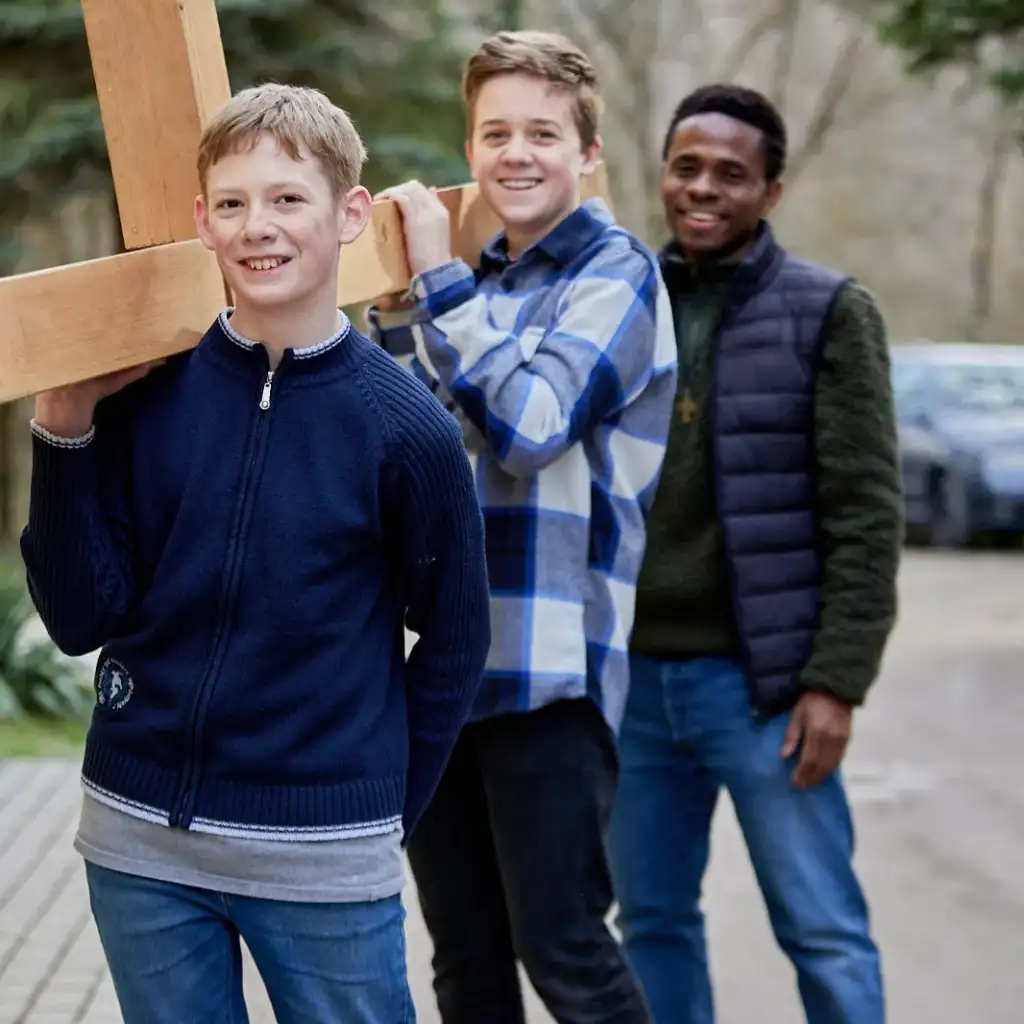
Following the spirit of Don Bosco, we strive to form our students to become good Christians and honest citizens. Beyond the classroom, I also assist in the oratory and parish, where the Salesian charism of presence, joy, and accompaniment continues to bear fruit in the lives of young people.

Community life is another great blessing. I belong to a small but truly international community, made up of one Hungarian, one Vietnamese, one Indian confrere, and myself. This diversity enriches our daily life, broadens our perspectives, and deepens our experience of the universality of the Church and the Salesian mission. In our differences, we discover unity; in our shared vocation, we find strength.

As I reflect on my journey so far, I can only say with conviction: it has been God all the way. Every step, every challenge, every joy has been guided by His hand.

All that I am, and all that I have been able to do in my vocation, is for His glory.
WhatsApp Image 2026-03-05 at 11.21.54 AM

Salesian Mission at the Heart of Testaccio

The Salesian presence in the historic Roman district of Testaccio dates back to the beginning of the twentieth century. The origin of the Opera Salesiana Testaccio can be traced to the year 1900, when the primary apostolate entrusted to the Salesians was the care of the primary schools affiliated with the Holy See.

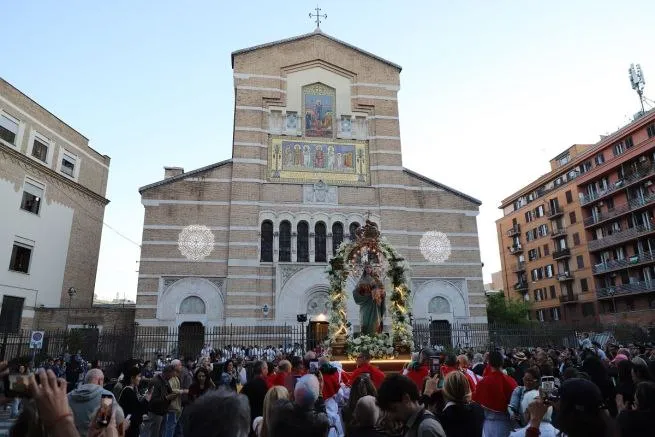
The parish of Santa Maria Liberatrice, Rome-Testaccio

Initially, the mission had been proposed to the Benedictines of St. Anselm. However, Pope St. Pius X personally encouraged Don Michele Rua, the first successor of St. John Bosco, to entrust the work to the Salesians. Accepting the Pope’s invitation, Don Rua sent confreres who travelled daily from the Salesian community of the Sacro Cuore (Sacred Heart) in central Rome to carry out the mission in Testaccio. What began as a modest educational initiative gradually grew into a vibrant centre of Salesian pastoral activity.

The Parish Apostolate

As the Salesian presence took root in the neighbourhood, the pastoral needs of the local population also became part of the mission. This development led to the establishment of the parish Santa Maria Liberatrice (St. Mary the Liberator), which was officially consecrated on 29 November 1908.

With the parish came a new and dynamic dimension of Salesian life: the oratory. Faithful to the spirit of Don Bosco, the oratory quickly became a gathering place for large numbers of young people who came daily for prayer, formation, recreation, and companionship. The mission in Testaccio thus expanded beyond the classroom to embrace parish ministry, youth pastoral work, and educational formation.

Over time, the Salesian work in the area developed its distinctive character. Parish activities flourished, youth groups and pious associations were formed, and the oratory became a lively centre of Christian and social life for the young people of the district.

The Birth of the Salesian Community

For many years, the Salesians serving in Testaccio still officially belonged to the community of Sacro Cuore in Rome. This situation continued until 1921, when the Salesian community of Testaccio was formally established under the patronage of St. Joseph Cafasso, the spiritual guide of Don Bosco.

As the decades passed, the educational apostolate that had marked the beginning of the mission gradually changed. The school, once the primary focus of the work, was progressively reduced until 1980, when it remained only with primary classes. The unused classrooms were then adapted to serve another important Salesian need: housing for Salesian seminarians and students pursuing studies in philosophy and theology in Rome.

An International Salesian Community

Today, the Salesian community of Testaccio reflects the international character of the Congregation. Over the years, the seminarians who once lived here have been replaced by Salesians from different parts of the world who come to Rome for specialization and studies at the Pontifical Universities.

At present, the community is home to 38 confreres representing countries such as Brazil, Argentina, Italy, Nigeria, Congo, Tanzania, Kenya, and India, among others. The community is led by Fr. Orestes Carlinhos Fistarol, who serves as Rector.

Life in Testaccio therefore, continues the rich Salesian tradition of study, fraternity, and pastoral commitment. The community not only serves the local parish and youth but also forms part of the wider mission of the Congregation by supporting the academic and spiritual formation of Salesians from across the globe.

A Visit from the Province

Recently, the community had the joy of welcoming the Provincial and the Provincial Economer, who are currently visiting confreres studying or working in Europe. Their visit was a moment of fraternal encounter, encouragement, and renewed connection with the Province.

Deacon Ekene-Maria Adizue with the Provincial of ANN Province, Fr Peter Morba

For those of us living and studying far from home, such visits are a reminder that we remain deeply united with our confreres and our mission back in the Province. It was a moment of shared conversation, prayer, and reflection on the ongoing mission of Don Bosco in different parts of the world.

Even here in the heart of Rome, the spirit of Don Bosco continues to live on — in community life, in pastoral service, and in the commitment to form ourselves more deeply for the service of the young.

  • Deacon Ekene-Maria Adizue, SDB

Adetiloye

A Sabbatical… Underground: My San Callisto Experience

When I arrived at the community of the Catacombs of San Callisto on 21 January, I received a warm Salesian welcome from the rector and Fr Paschal from ZMB. Providence arranged my arrival at a curious moment: the catacombs were closed to the public, and many confreres had taken the opportunity for family visits. Out of a lively community of eighteen, we were only six at the table, proof that even in Rome, the early Church experience of “small communities” is still alive!

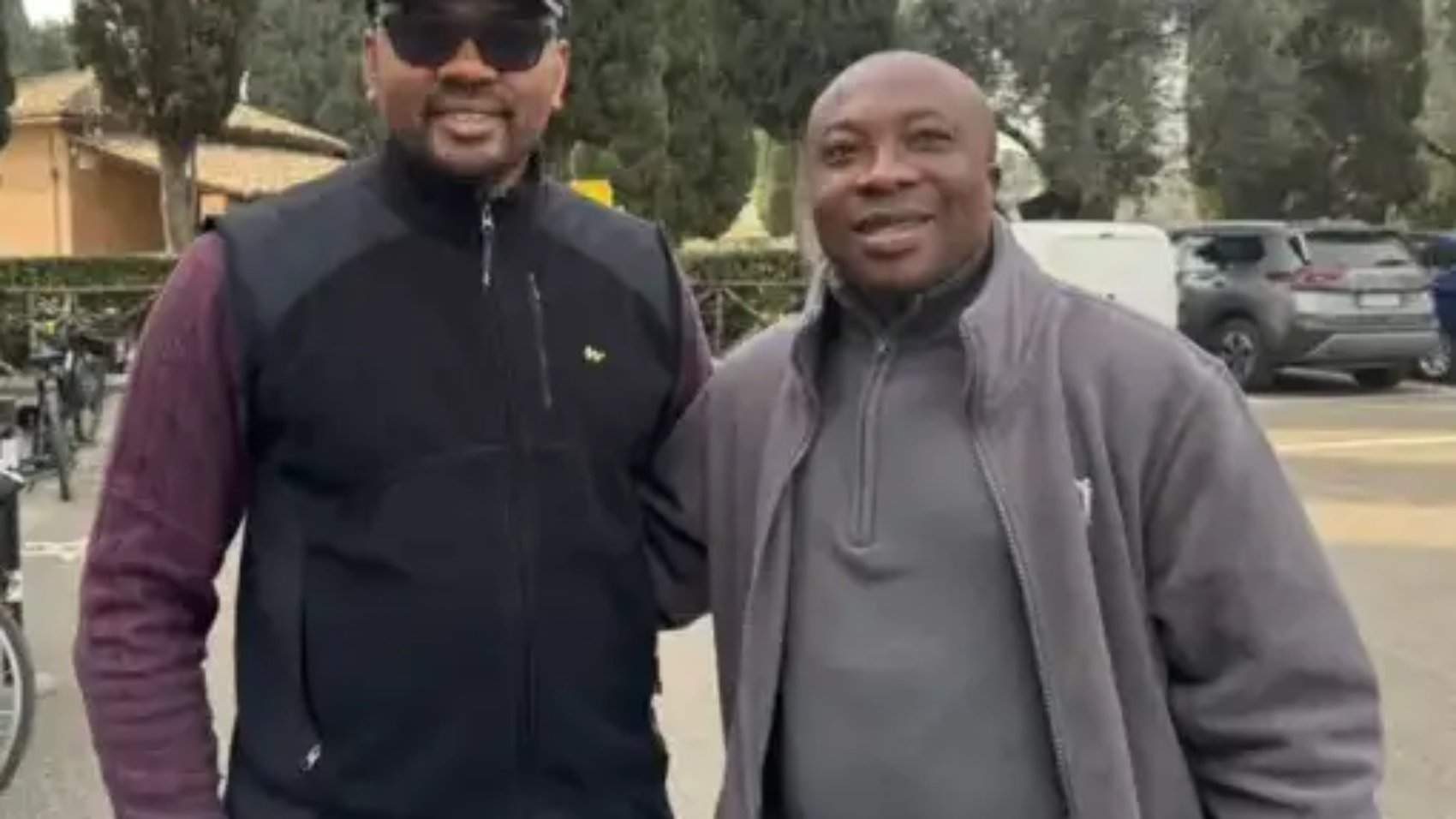
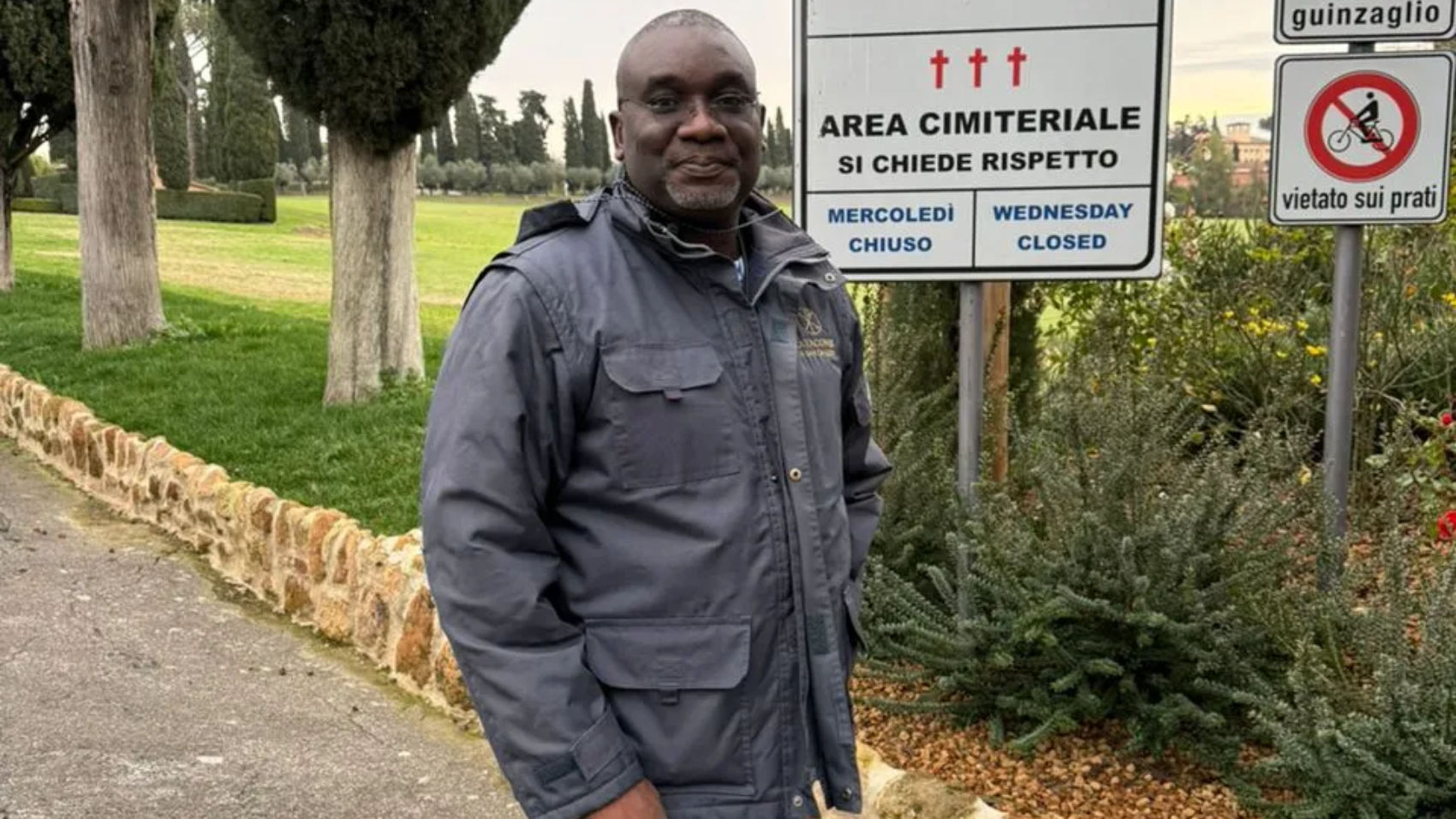
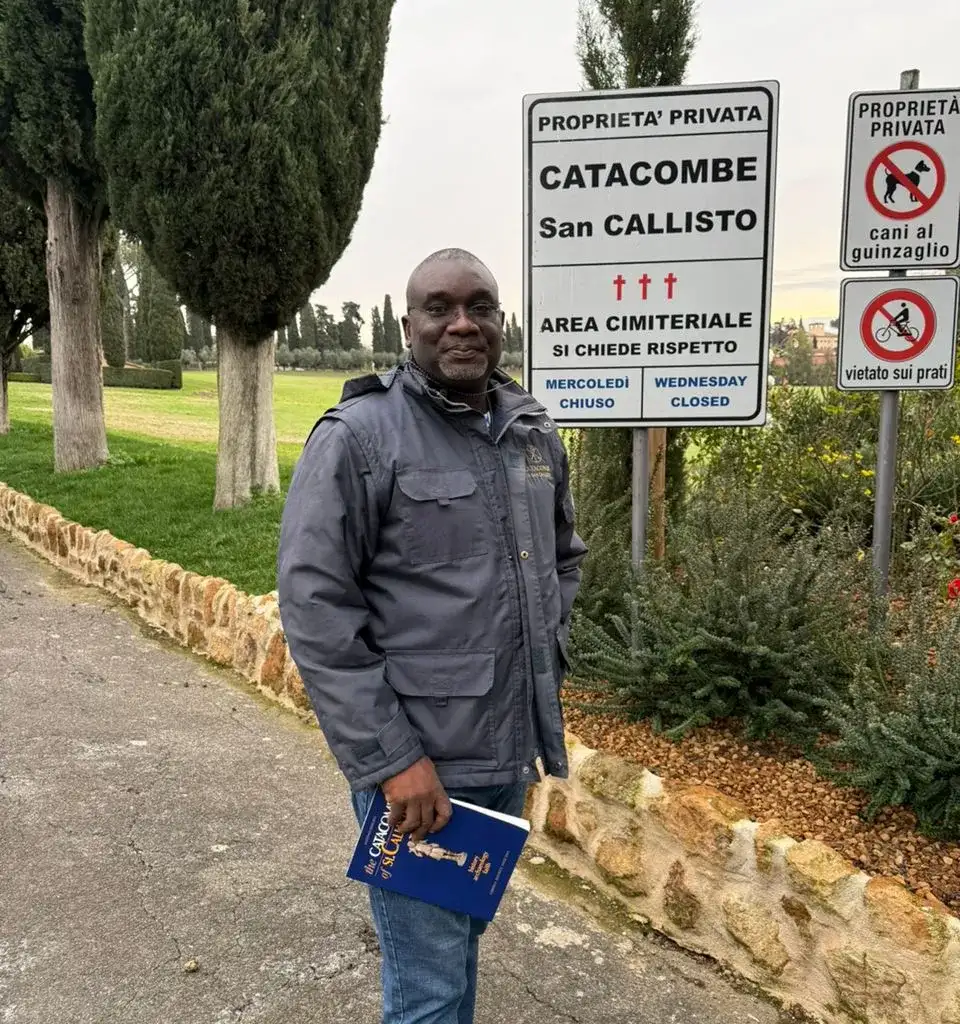
Fr Matthew Adetiloye at the Catacomb of St Callistus, Rome
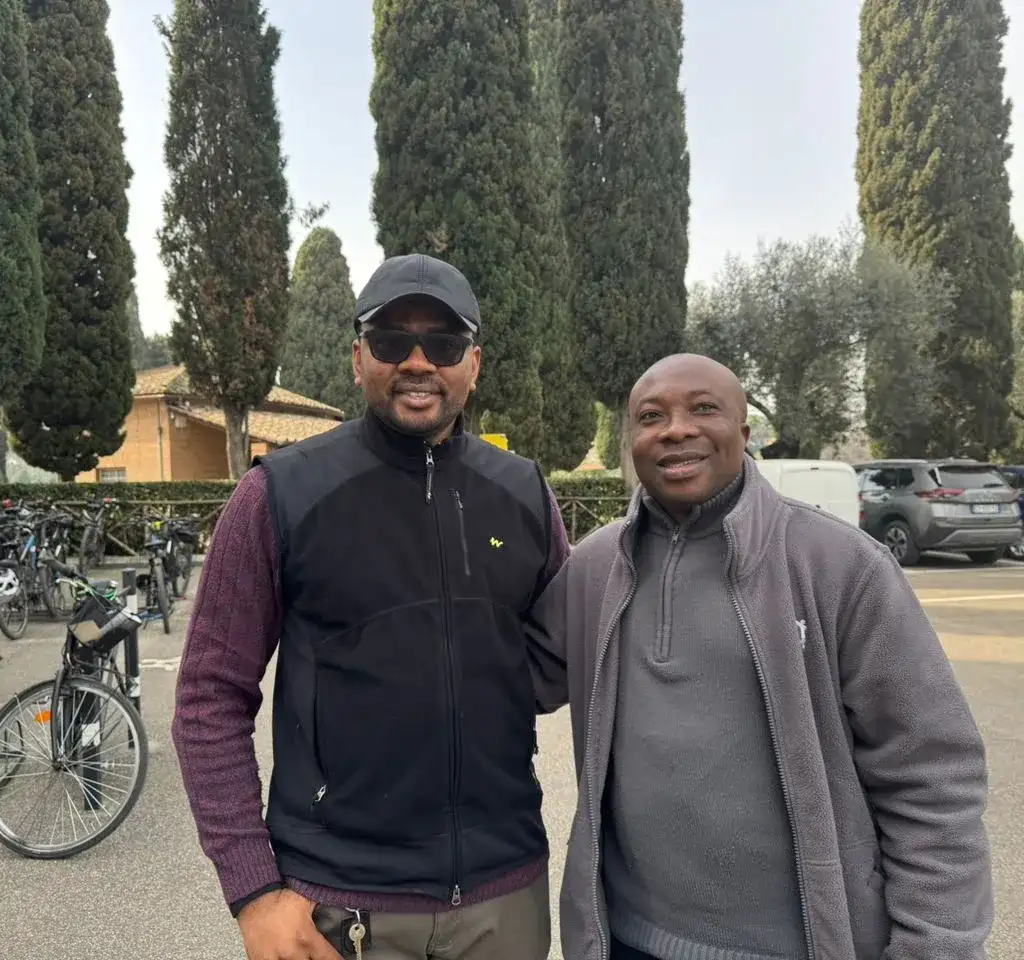
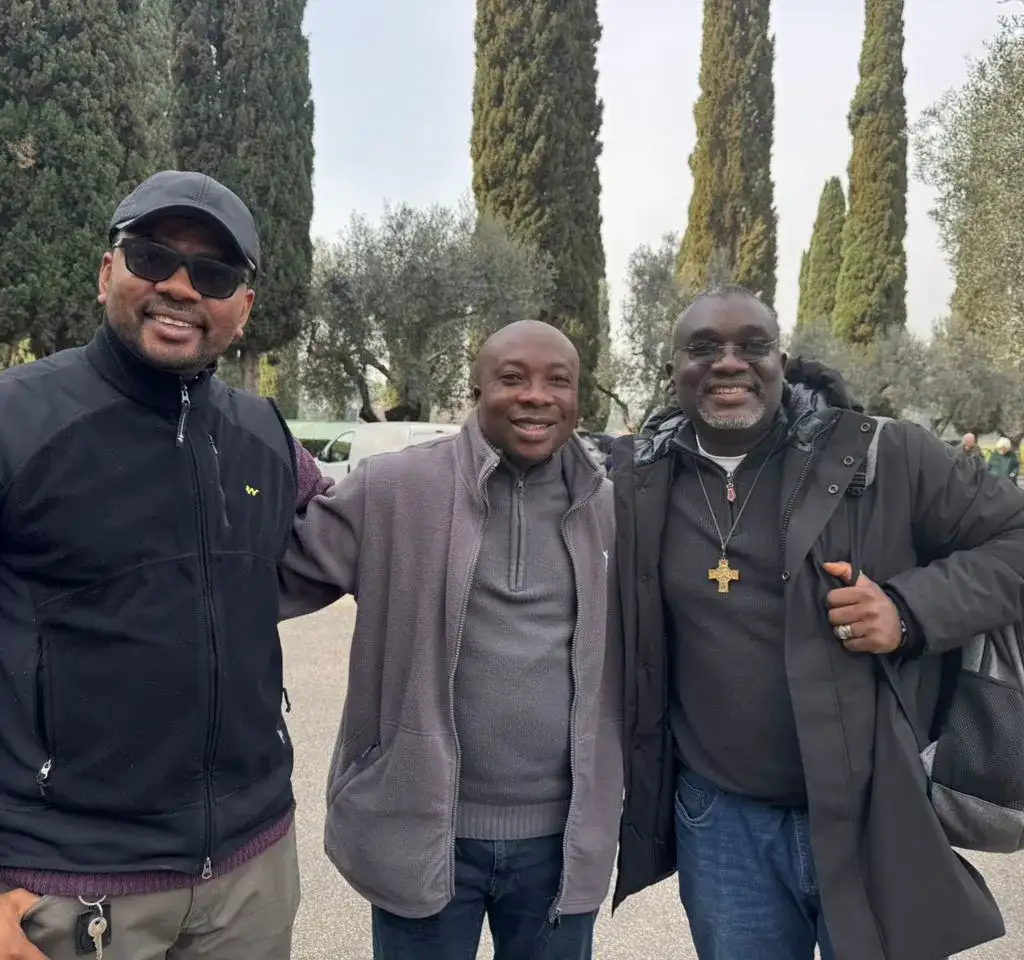
Deacon Ekene Maria with Fr Peter Morba and Fr Matthew Adetiloye

Gradually, the confreres returned, and by 12 February the house was fully operational again. In fact, the full community is quite an international gathering: 18 confreres from 14 different countries. One could say the catacombs are not only ancient but also wonderfully global. One thing quickly became clear: if anyone imagines a sabbatical here as a comfortable armchair, a quiet book, and perhaps a contemplative espresso… well, the catacombs may kindly invite you to reconsider. Down here, even “rest” has to pass through a staircase.

Meanwhile, I began Italian school on 2 February at the A2 level, bravely skipping the beginner stage thanks to some previous knowledge and, I must confess, the tireless evangelising efforts of the Duolingo owl. After a month, I completed the level and have now progressed to B1, which should conclude at the end of March. In short, the martyrs spoke Latin, the pilgrims speak everything else, and I am trying my best to keep up in Italian.

Life here moves at a brisk pace. I return from school around 1:50 p.m., have lunch, and complete assignments, and by 3:00 p.m., I am already back in the catacombs. Our principal task is guiding pilgrims and tourists through the underground galleries. Each visit lasts about 55 minutes and departs every half hour in various languages. My own apostolate is in English.

The schedule runs from 8:45 a.m. until 6:00 p.m., with a modest lunch break of about ninety minutes. This continues every day except Wednesday, when the catacombs is closed to the public. Among ourselves, we call Wednesday “our Sunday”, a small resurrection in the middle of the week.

What makes the experience fascinating is the challenge it presents: imagine meeting people you may never see again and having just 55 minutes to transmit something of faith. Through the stories of the martyrs, the witness of the early Christians, and the memory of the popes buried there, the catacombs themselves become a kind of underground catechism. The walls do not speak, but somehow, they preach.

For me, this sabbatical has become something different from what I first imagined. I expected perhaps a quieter period of study (mercifully without exams). Instead, I discovered another way of being Salesian: changing the field of work while remaining fully in mission, even several metres beneath the surface of Rome.

One final note for confreres who might be considering a similar experience: there are many rooms available here, especially for English-speaking confreres. And I can assure you, it is an experience worth having. Just be prepared… apostolic life sometimes leads us to unexpected places. In this case, quite literally underground.

Fr Adetiloye Matthew