The Salesian mission in the Catholic Diocese of Ijebu-Ode has made significant progress in both its pastoral ministry and infrastructure development during the first half of 2026, despite encountering several challenges.
The mission has continued to experience steady spiritual growth among parishioners while advancing several key projects to strengthen pastoral outreach and improve facilities.
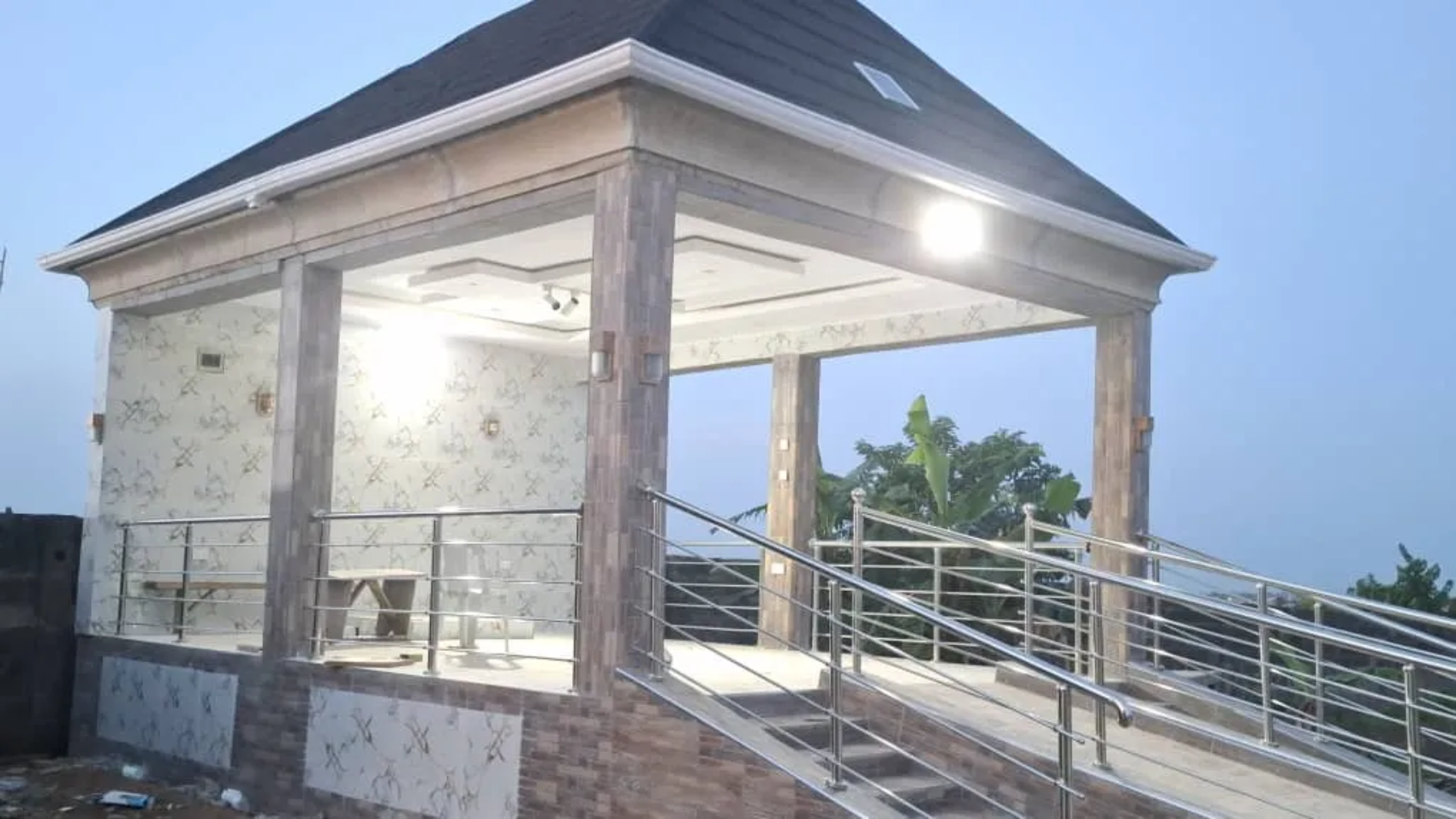
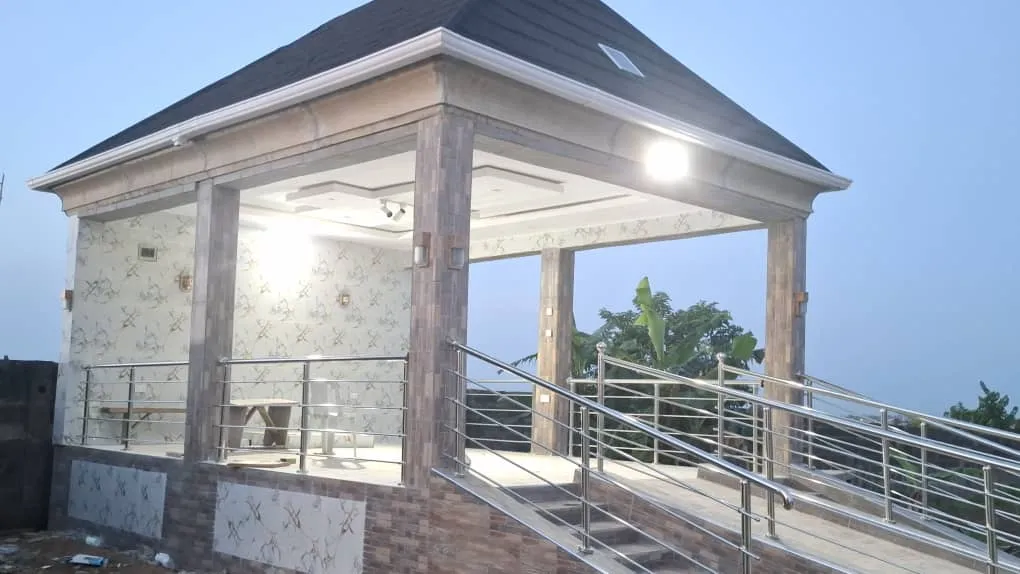
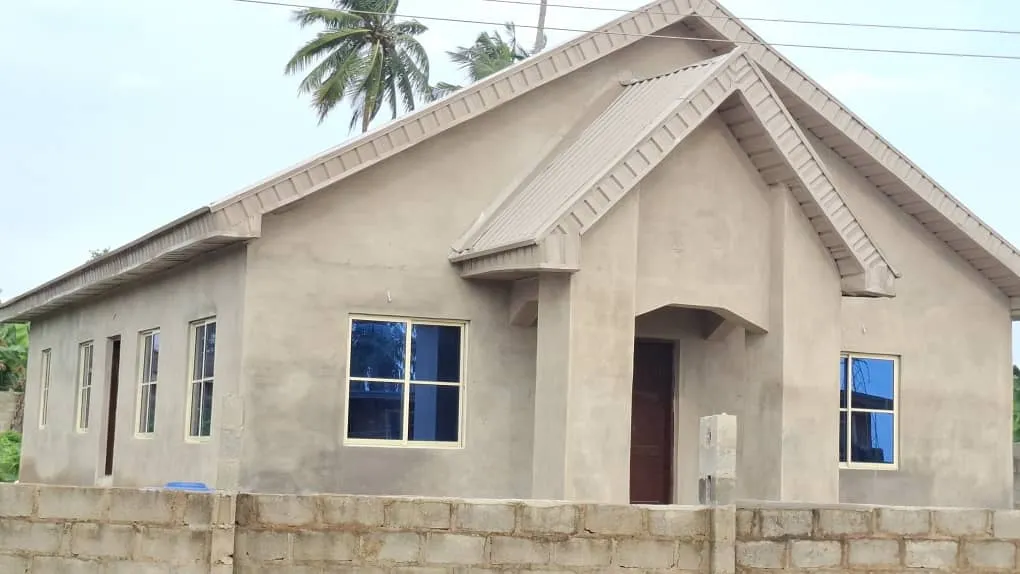
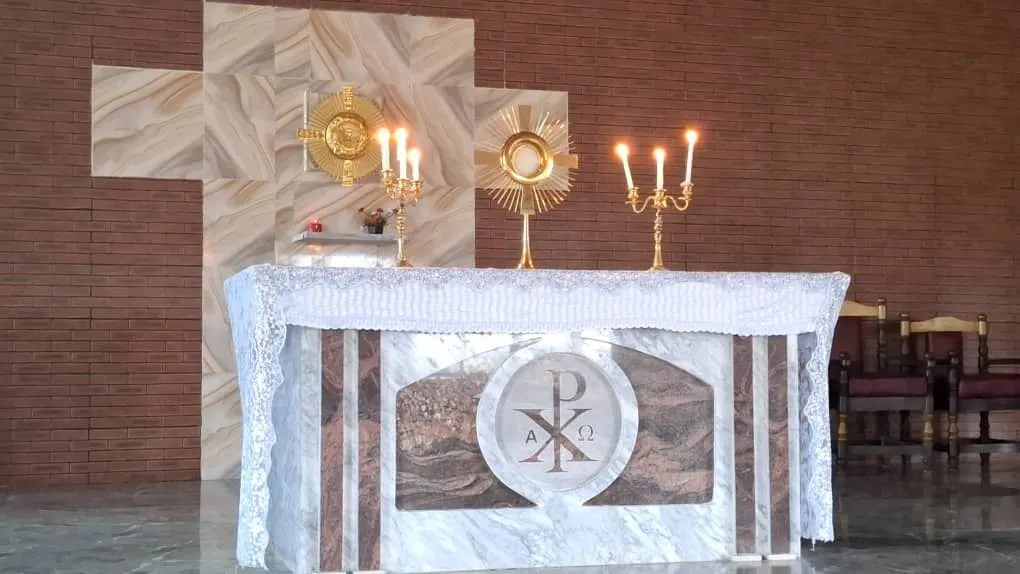
Among the major milestones is the completion of the new church building at St. Joseph Catholic Church, Imaweje. The mission also completed the construction of a Marian Grotto dedicated to Mary Help of Christians at the Parish Centre in Ikoto, providing a new space for prayer and devotion.
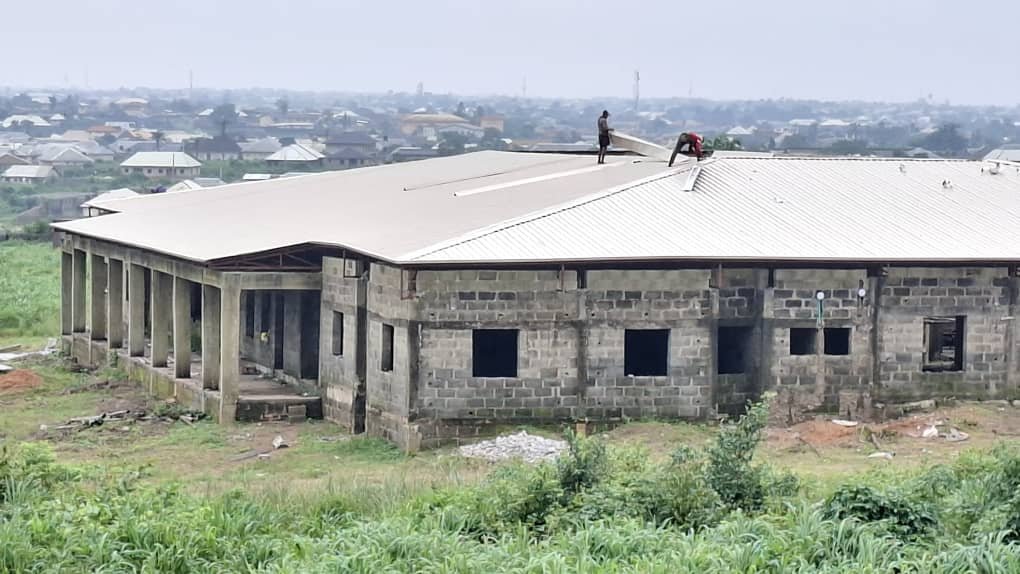
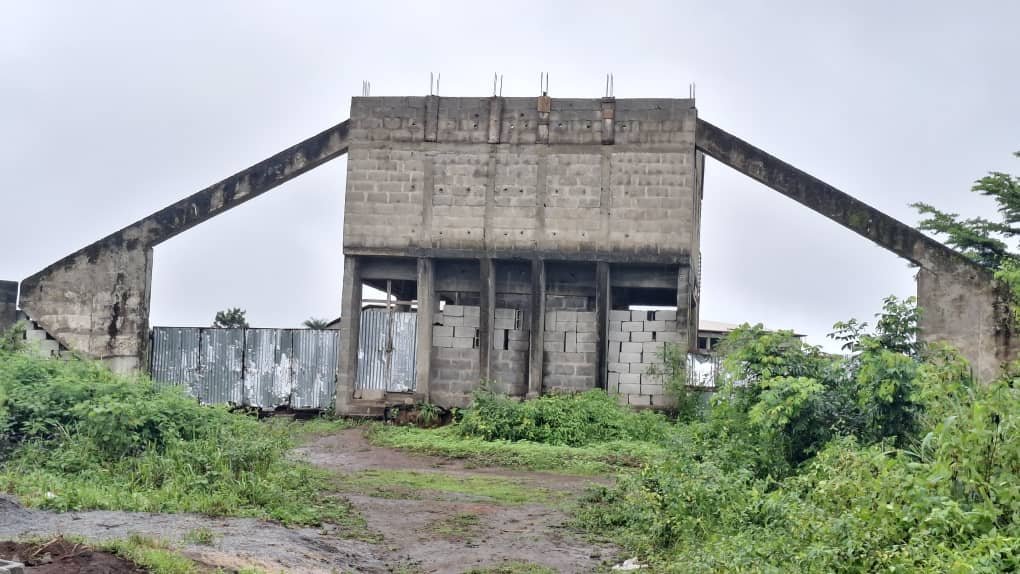
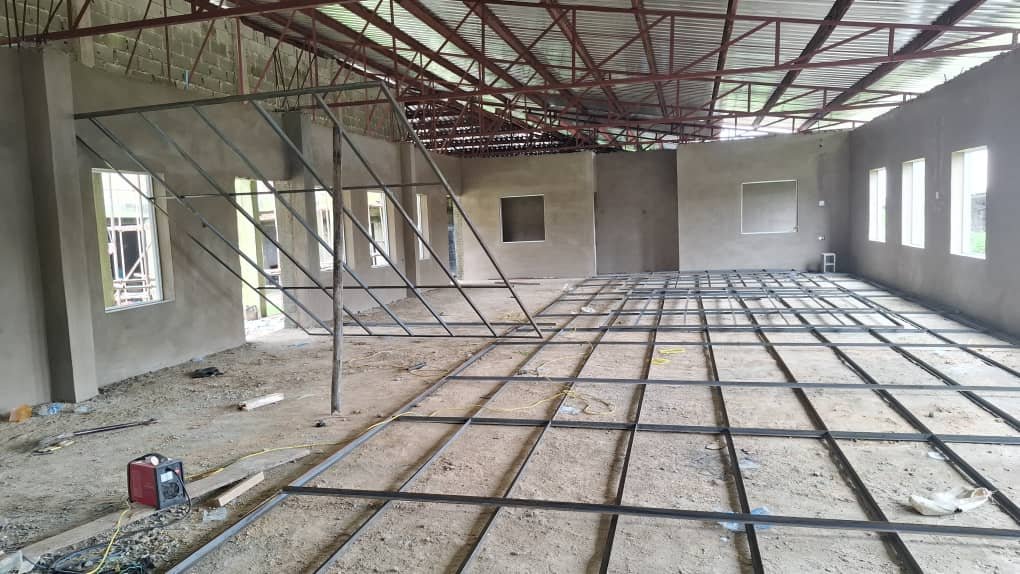
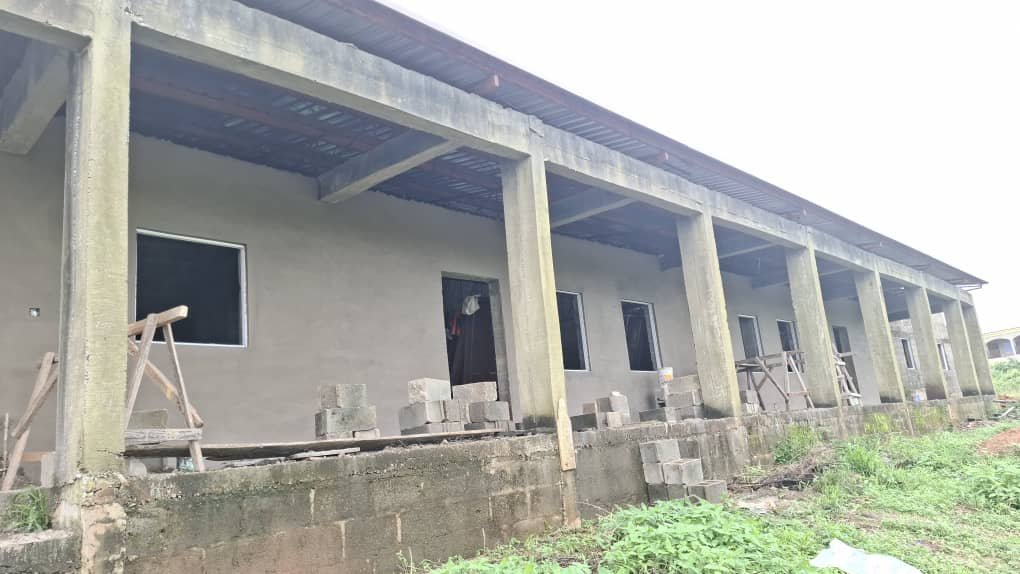
Work is also progressing at the TASFUED Chaplaincy in Ijagun, where the installation of a PVC ceiling is currently underway. Meanwhile, construction activities have resumed at the Technical and Vocational Education and Training (TVET) Centre in Ikoto, marking another step forward in the Salesians’ commitment to youth formation and skills development.
The achievements have been attributed to God’s providence, the dedication of the Salesian community, the continued support of the Bishop of the Catholic Diocese of Ijebu-Ode, and the leadership of the Provincial.
The Salesian community has also expressed its appreciation to benefactors, donors, parishioners, and friends of Don Bosco whose generosity and prayers continue to sustain the mission’s pastoral and developmental initiatives.
As work continues across the mission, the Salesians remain committed to building God’s Kingdom through the charism of St. John Bosco by fostering faith, education, and integral human development in the communities they serve.
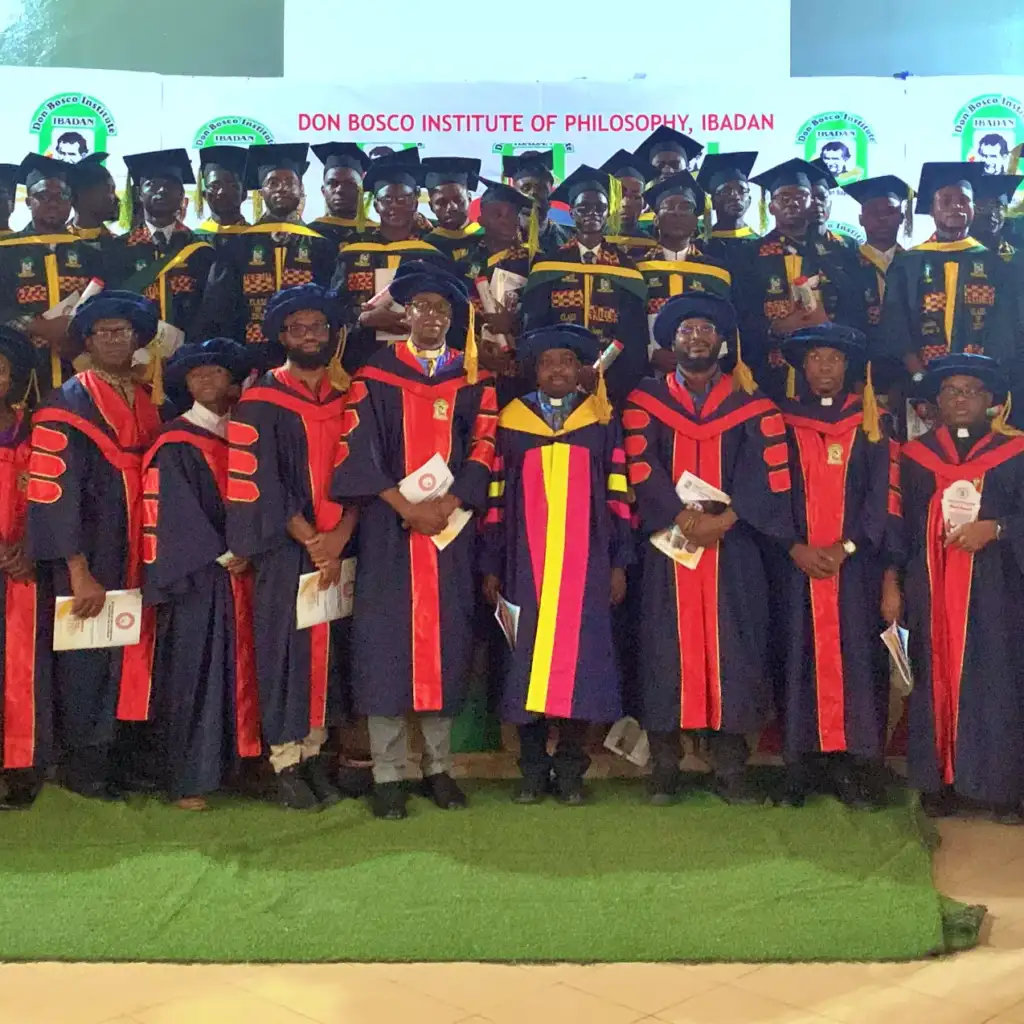
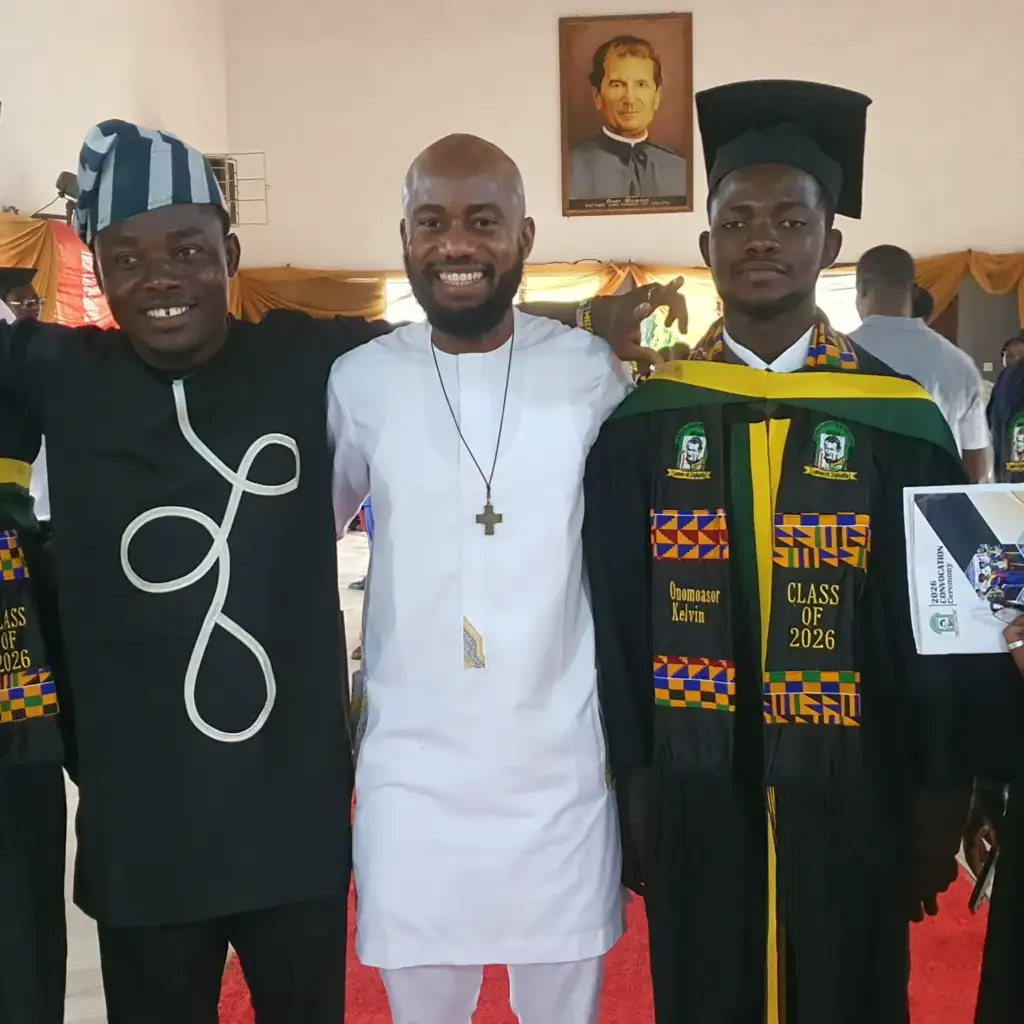
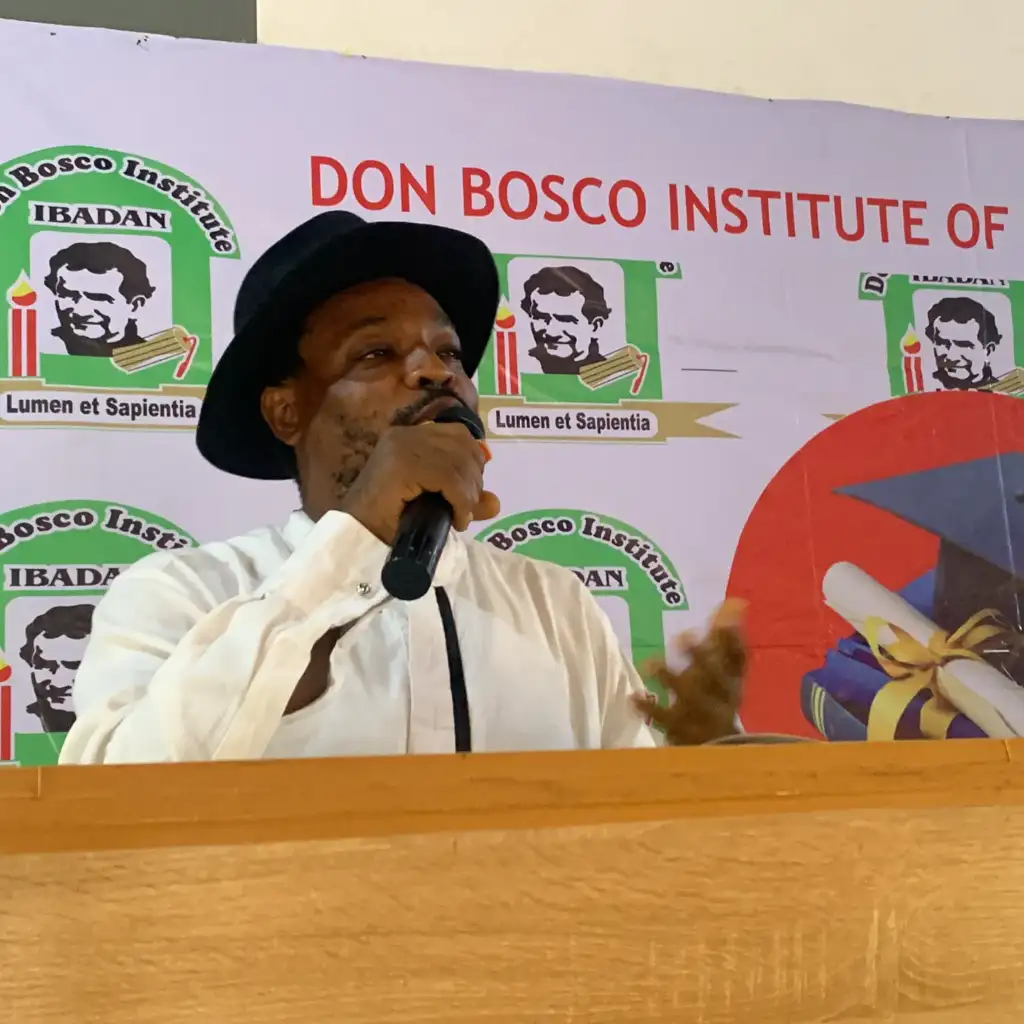
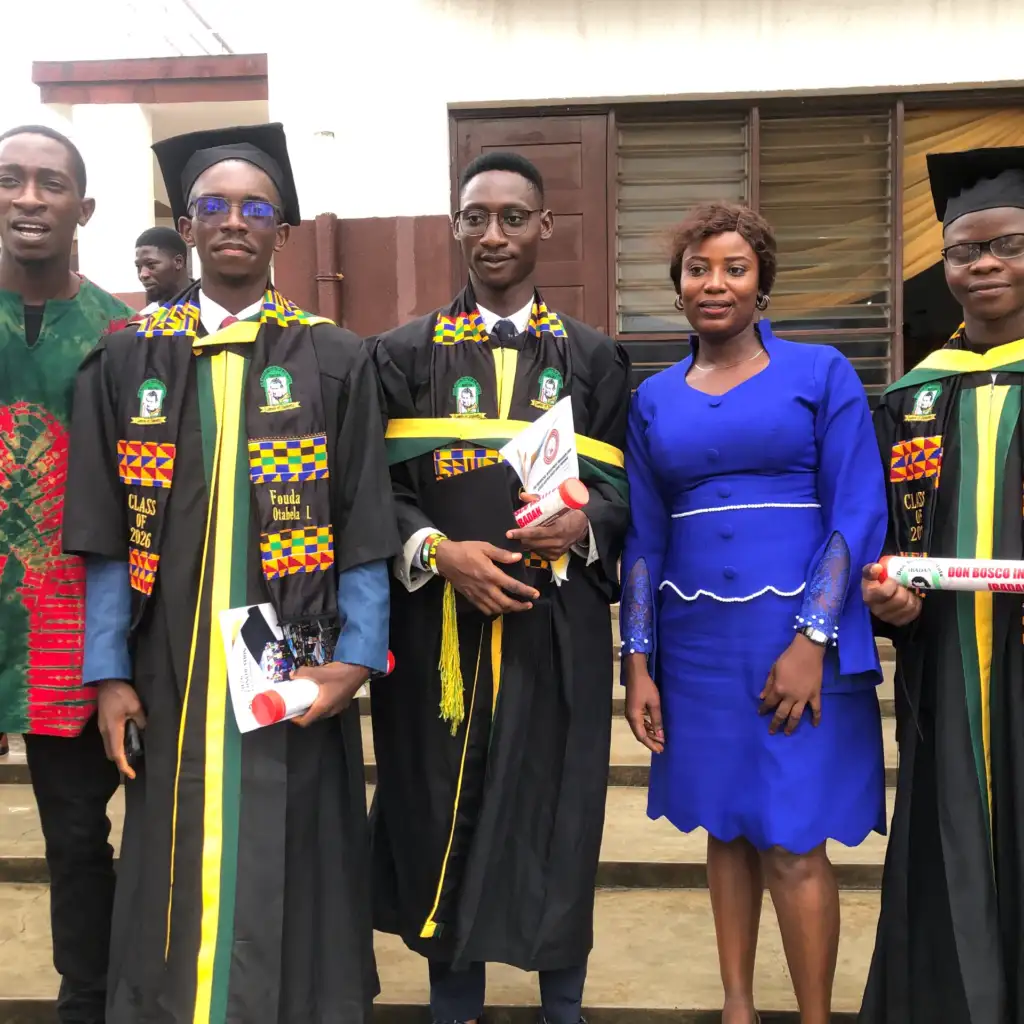
Ibadan, Nigeria — The Don Bosco Institute (DBI), Ibadan, today celebrated its Convocation Ceremony, bringing to a close a week-long Students’ Week programme that highlighted academic excellence, community life, and gratitude for the gift of formation.
The convocation marked the culmination of years of intellectual, human, spiritual, and pastoral formation for students enrolled in the Institute’s philosophy programme. The graduating class comprised Salesians of Don Bosco, members of other religious congregations, and lay students who have journeyed together in the pursuit of philosophical studies and personal growth.
The week-long celebration concluded a series of activities aimed at fostering fraternity, reflection, and appreciation for the educational mission of the Institute. The high point of the festivities was the Convocation Ceremony, which celebrated the achievements of the graduating students and their successful completion of an important stage in their academic and vocational journey.
On the eve of the convocation, the graduating class gathered for a solemn Mass of Thanksgiving to express gratitude to God for the blessings, challenges, and accomplishments that characterized their years of study. The Eucharistic celebration provided an opportunity for students, staff, religious communities, and guests to reflect on the transformative role of philosophical formation in preparing young men and women for leadership, service, and ministry.
A particularly moving moment during the celebration was the presentation of a golden bust of St. John Bosco by the graduating class to the Institute. The gift was offered as a lasting sign of appreciation to the institution that has accompanied and nurtured them throughout their years of formation. The bust stands as a symbol of gratitude and a testament to the enduring influence of Don Bosco’s educational vision on the lives of the graduates.
In a congratulatory message, the SS. Versiglia and Caravario Community expressed its joy and pride in the accomplishments of the graduating students.
“We heartily congratulate our final-year students on the occasion of their convocation,” the community stated.
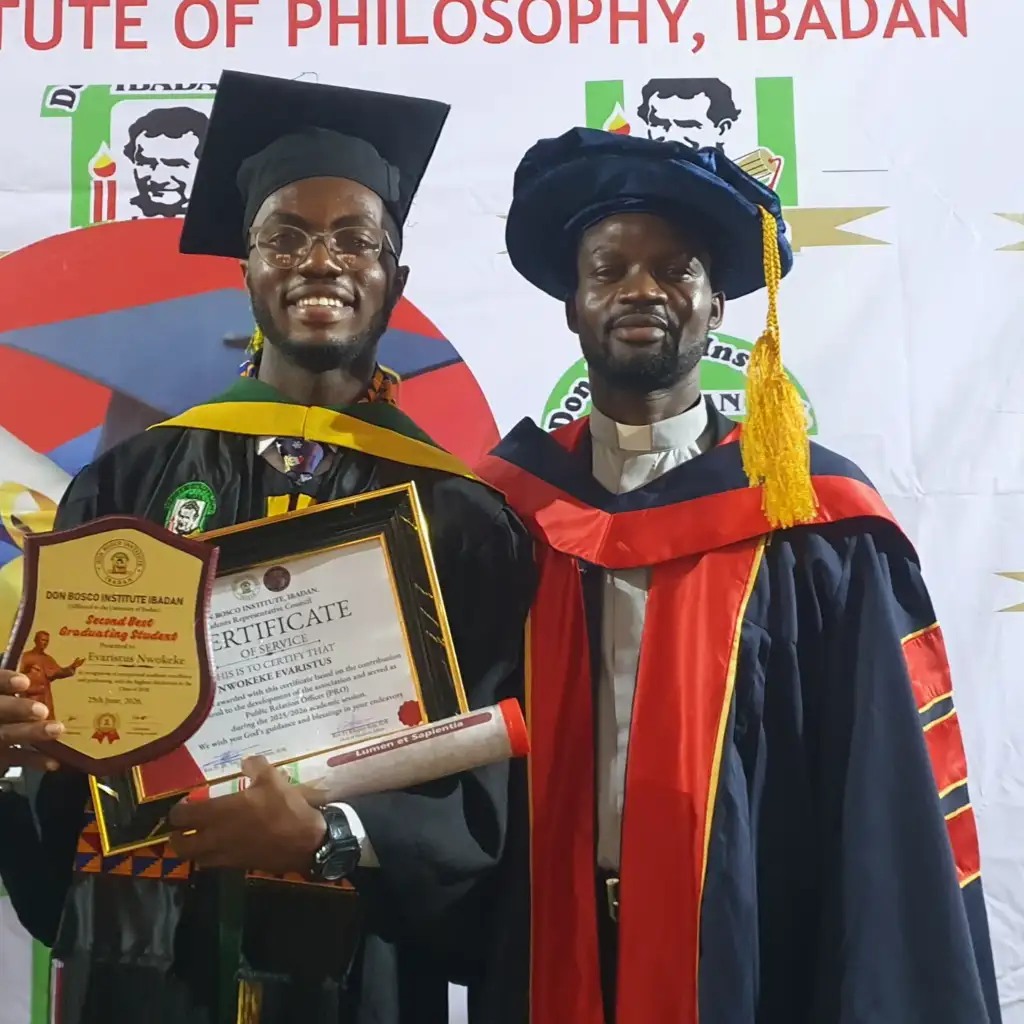
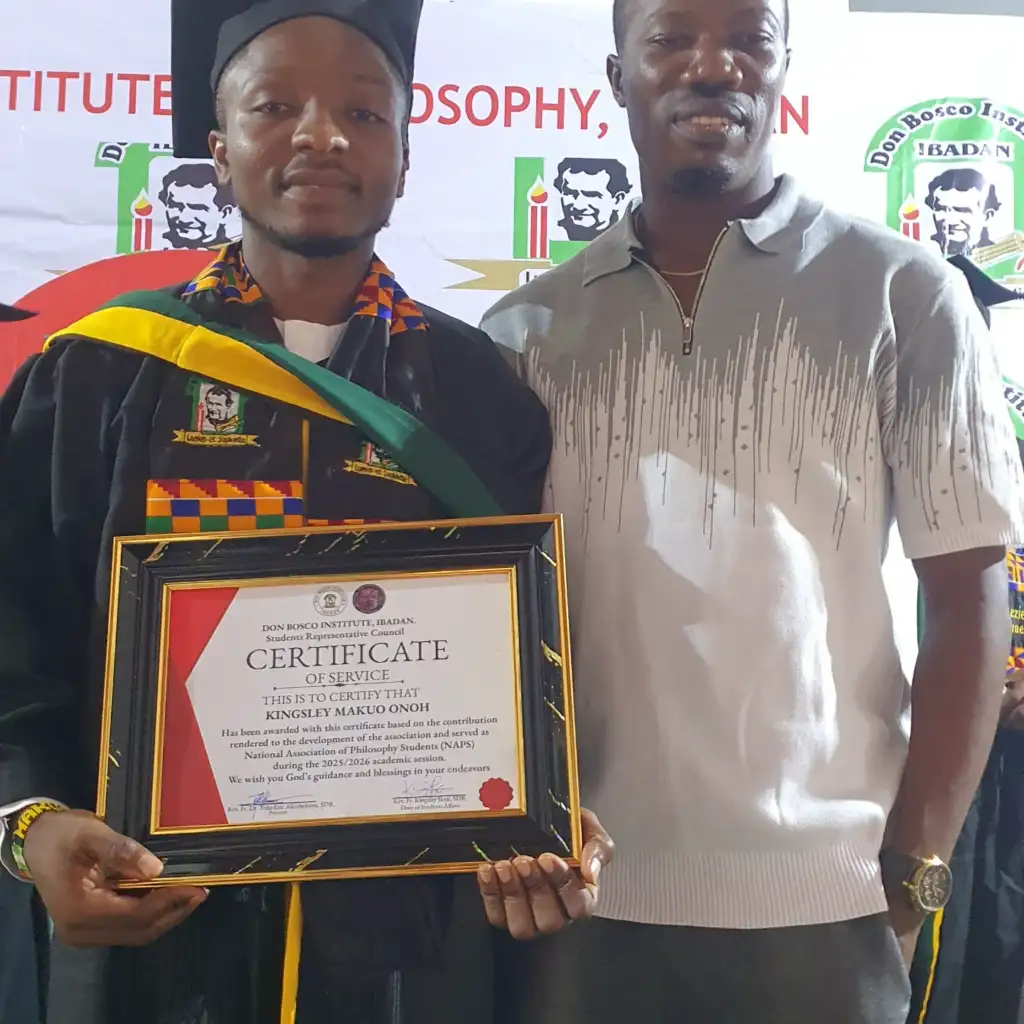
The community paid special tribute to two Salesian confreres whose academic excellence distinguished them among their peers. S. Onoh Kingsley emerged as the Best Graduating Student, while S. Nwokeke Everestus was recognized as the Second Best Graduating Student.
Their remarkable achievement is described as a reflection of their diligence, discipline, commitment to study, and dedication to the pursuit of excellence.
As the graduates prepare to move forward in their respective vocations and professions, the community invoked God’s blessings upon them.
“We pray that God will continue to guide, strengthen, and bless you in your apostolate and future ministry. May the spirit of Don Bosco continue to inspire and accompany you wherever you are sent.”
The Convocation Ceremony served not only as a celebration of academic success but also as a reaffirmation of the Institute’s mission to form intellectually competent, morally grounded, and socially responsible individuals. Through its commitment to philosophical education and holistic formation, the Don Bosco Institute continues to prepare future religious, clergy, and lay leaders for meaningful service in the Church and society.
As the celebrations concluded, the atmosphere was filled with gratitude, hope, and renewed commitment to the values of faith, reason, and service that characterize the Salesian educational tradition.
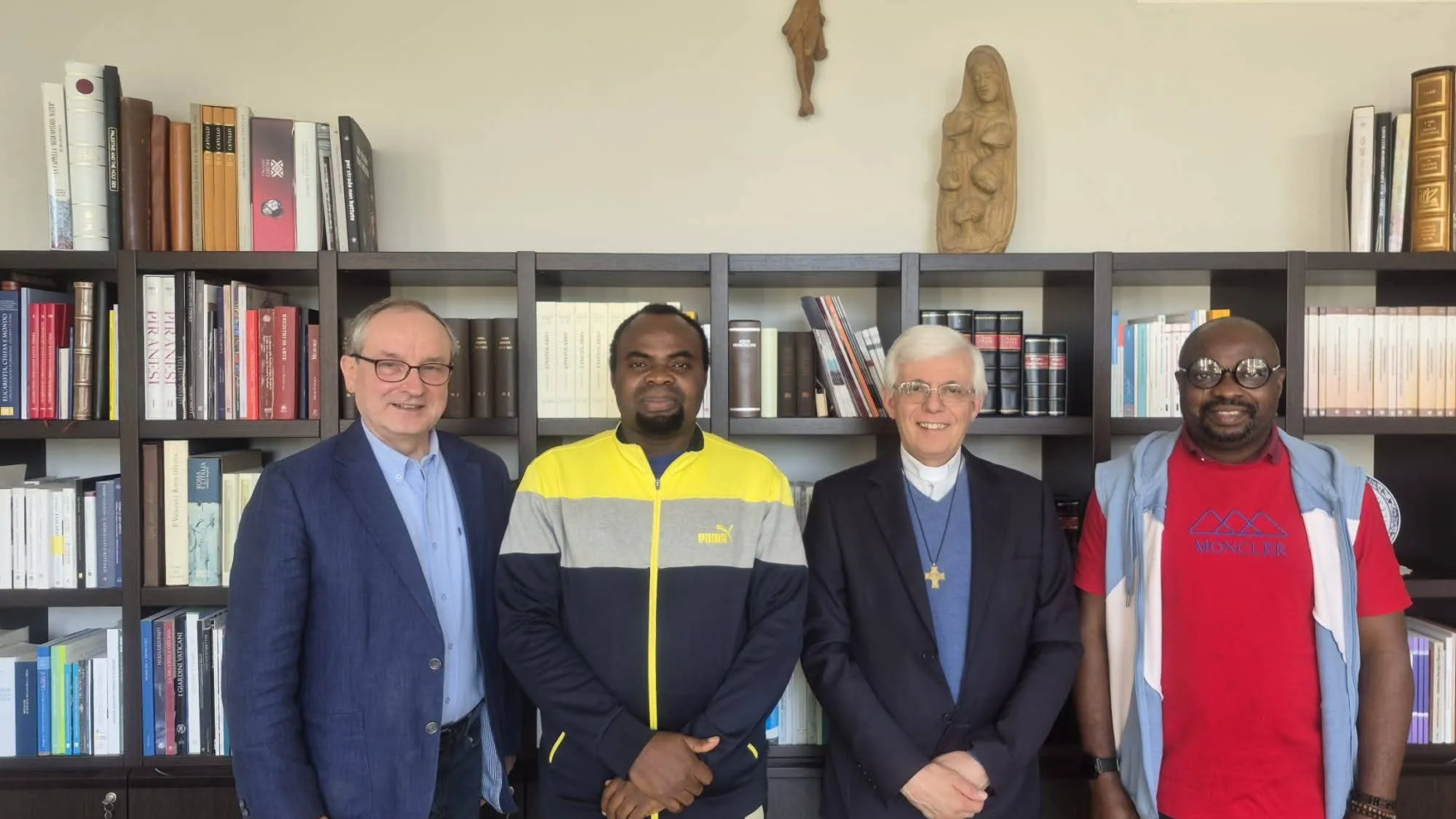
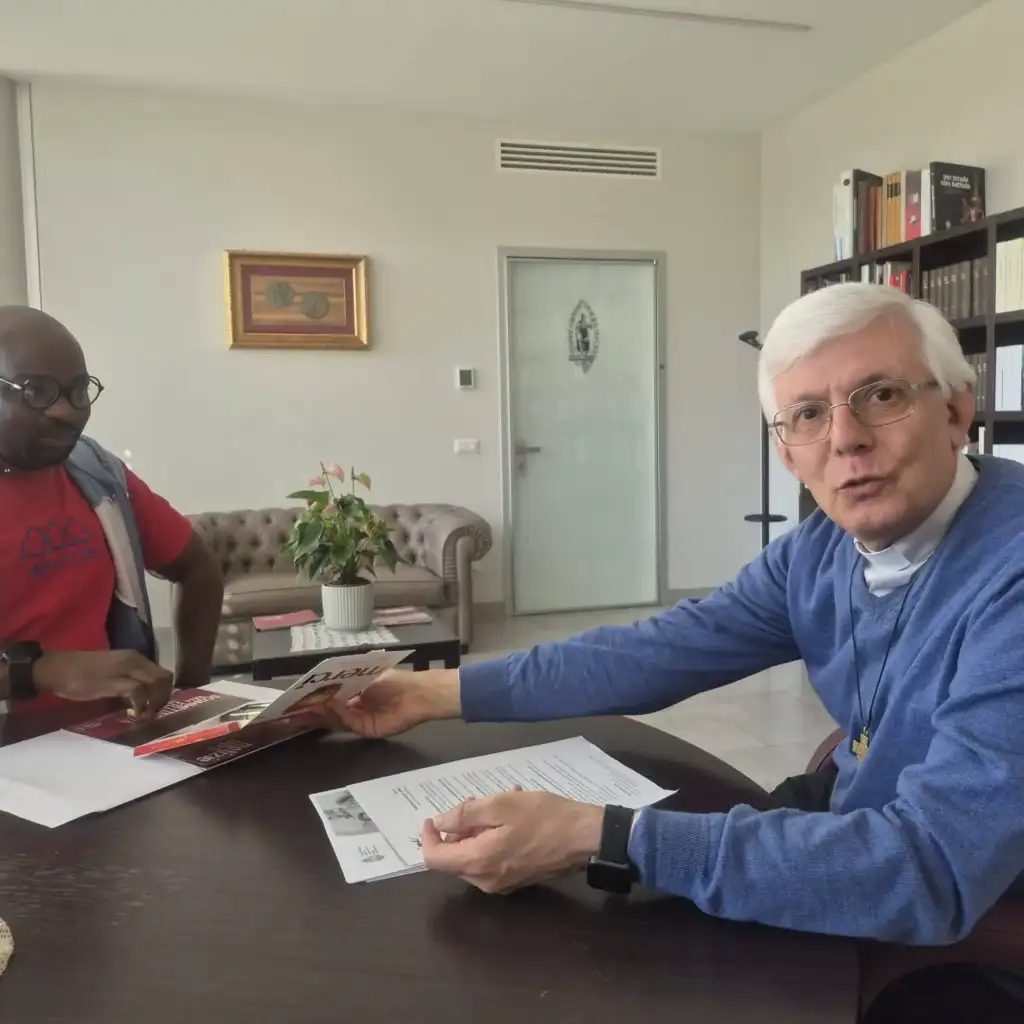
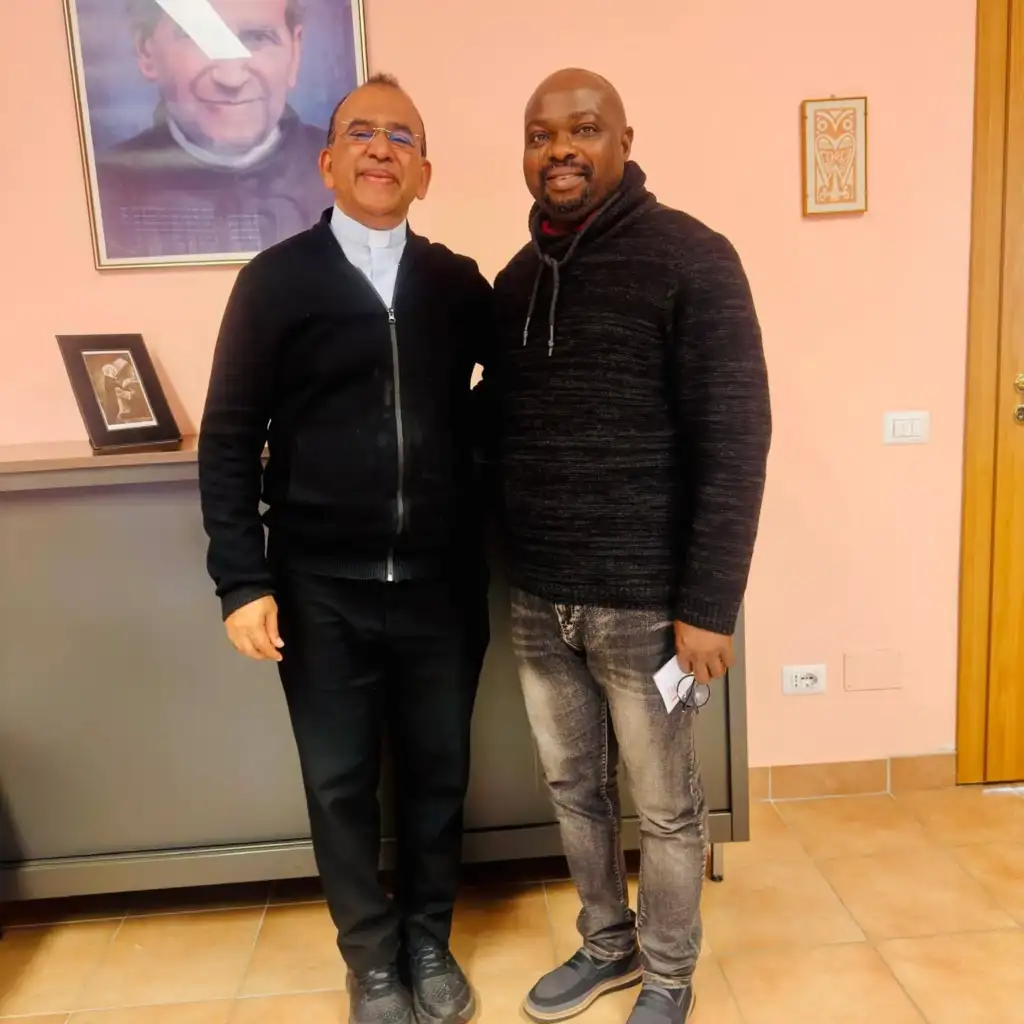
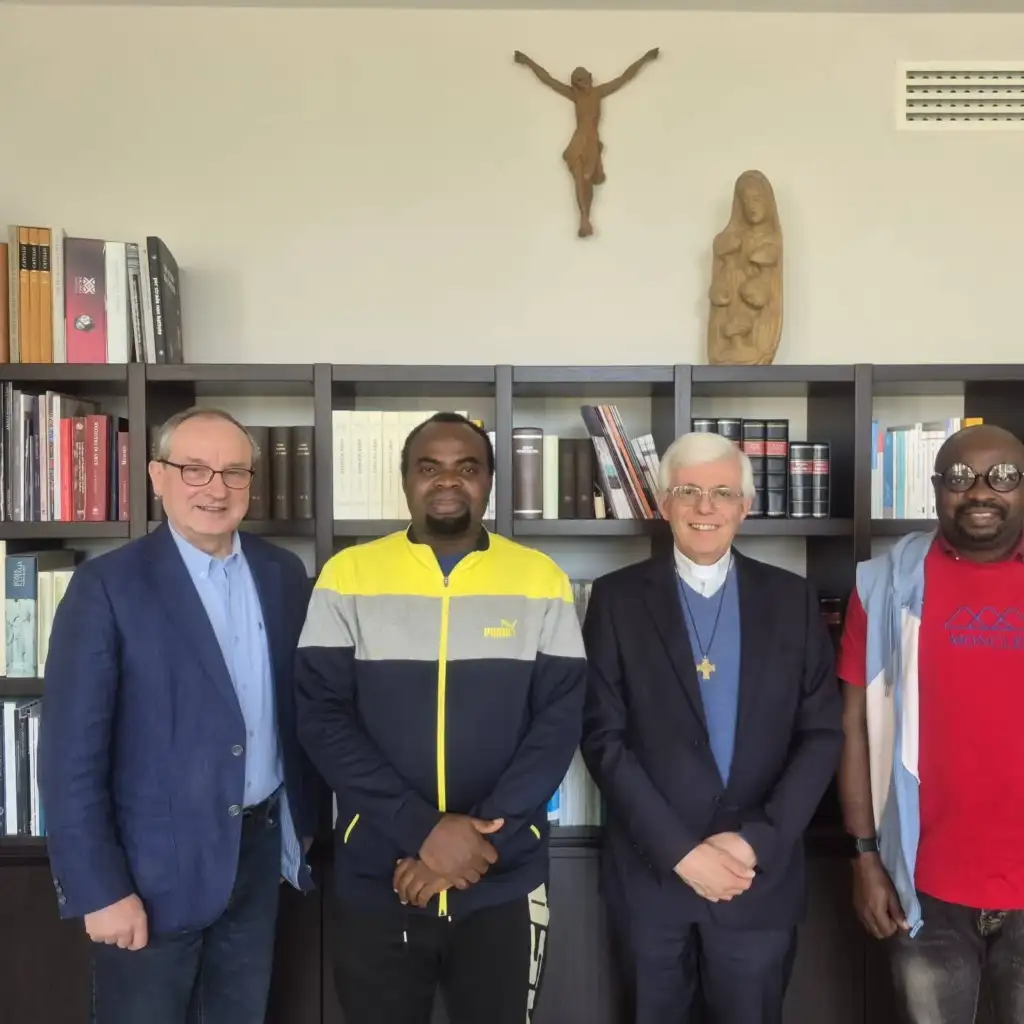
The Provost of Don Bosco Institute of Philosophy, Rev. Fr. Dr. Tolu-Eric Akinboboye SDB, paid an official visit to the Salesian Pontifical University with the aim of strengthening and improving the relationship between the two institutions. The visit provided an important opportunity for dialogue, mutual understanding, and reflection on future academic and institutional collaboration.
During the visit, the provost held separate meetings with the Vice Chancellor, Rev. Fr. Prof. Andrea Bazzolo; the Secretary General of the university, Rev. Fr. Jarosław Rochowiak; and the newly appointed dean of the Faculty of Philosophy, Rev. Fr. Prof. Joshtrom Isaac Kureethadam. The discussions focused on academic cooperation, faculty exchange, research opportunities, institutional support, and the continued formation of students in the Salesian intellectual tradition.
He was accompanied during the visit by Rev. Fr. Joseph Oraegbunam and Rev. Fr. Dr. Matthew Akinyemi, whose presence and contributions enriched the engagements. The meetings were cordial and fruitful, marked by a spirit of Salesian fraternity and a shared commitment to Catholic higher education. Both institutions expressed their readiness to deepen existing ties and explore new avenues of collaboration for the advancement of philosophical and human formation.
The provost expressed optimism that the visit would further strengthen the bond between the Don Bosco Institute of Philosophy and the Salesian Pontifical University and lead to more fruitful collaboration in the years ahead.
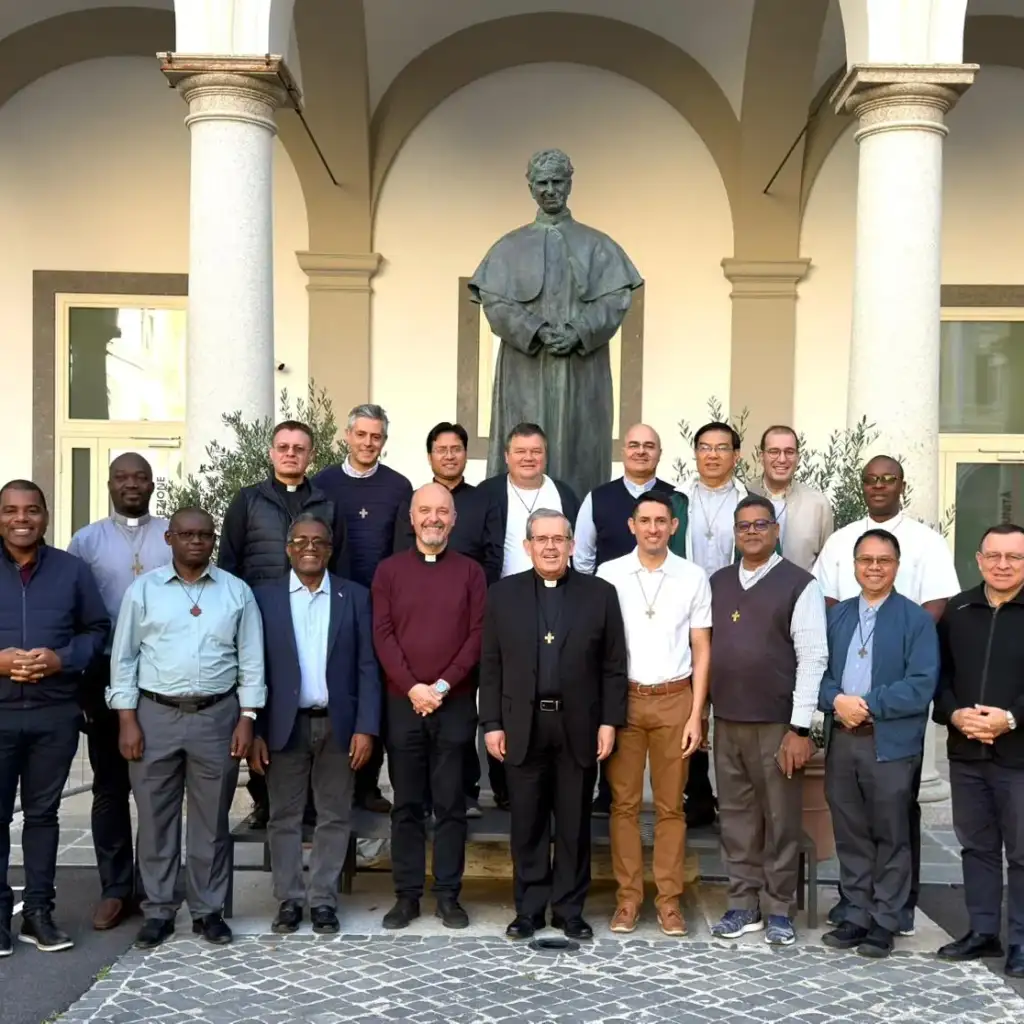
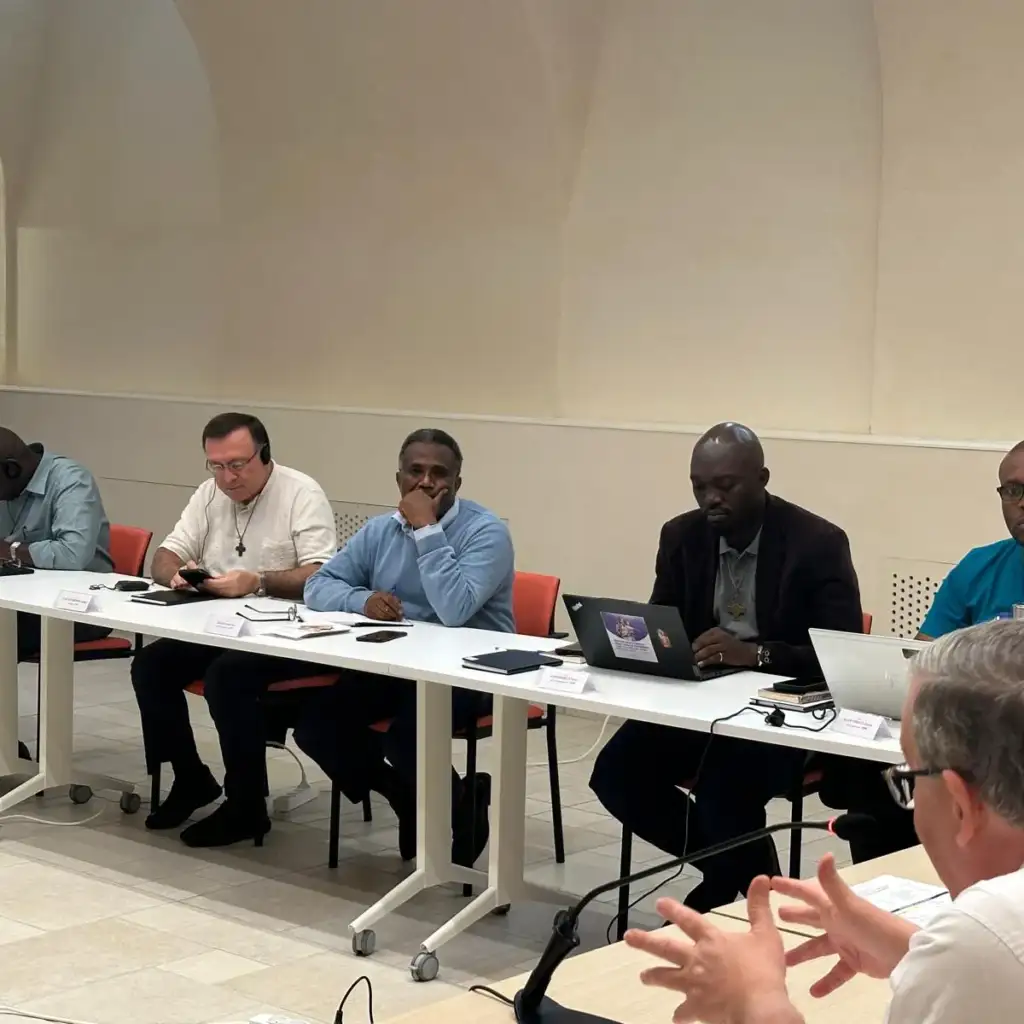
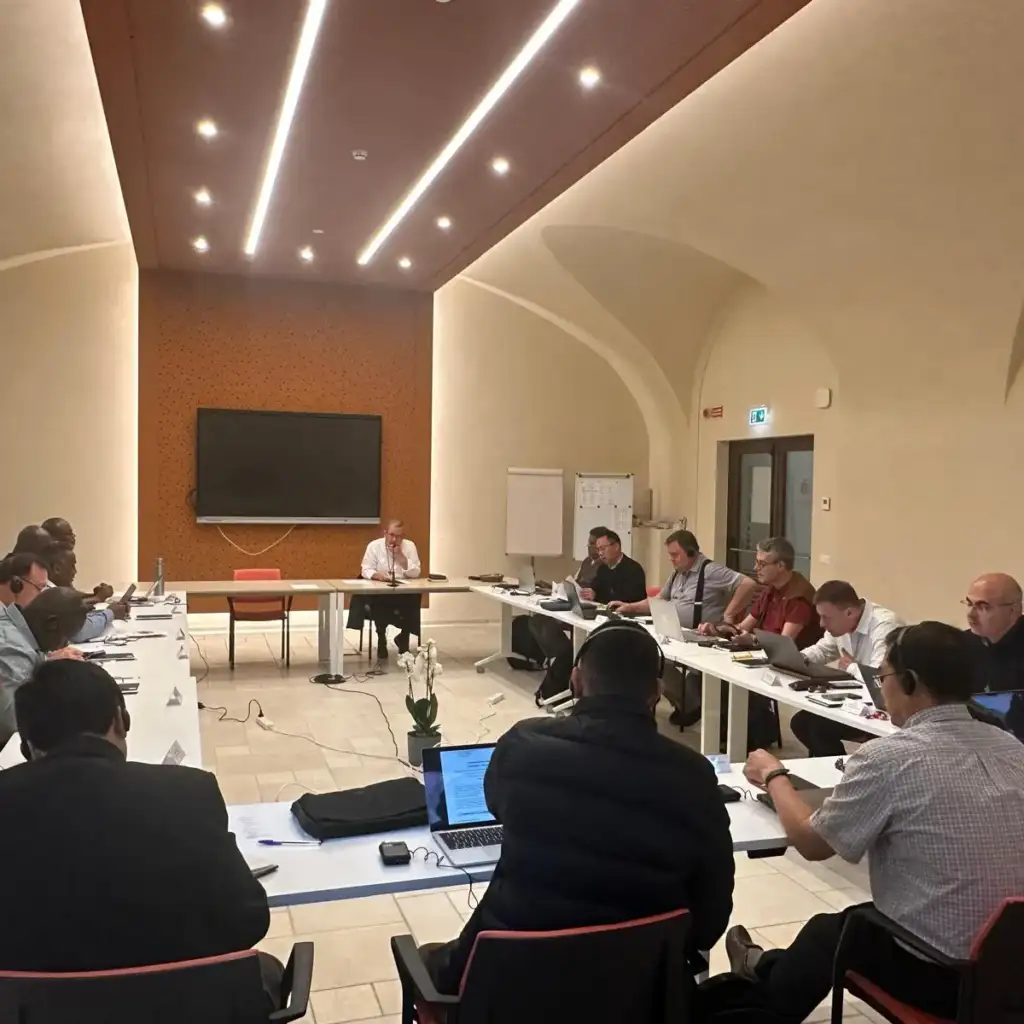
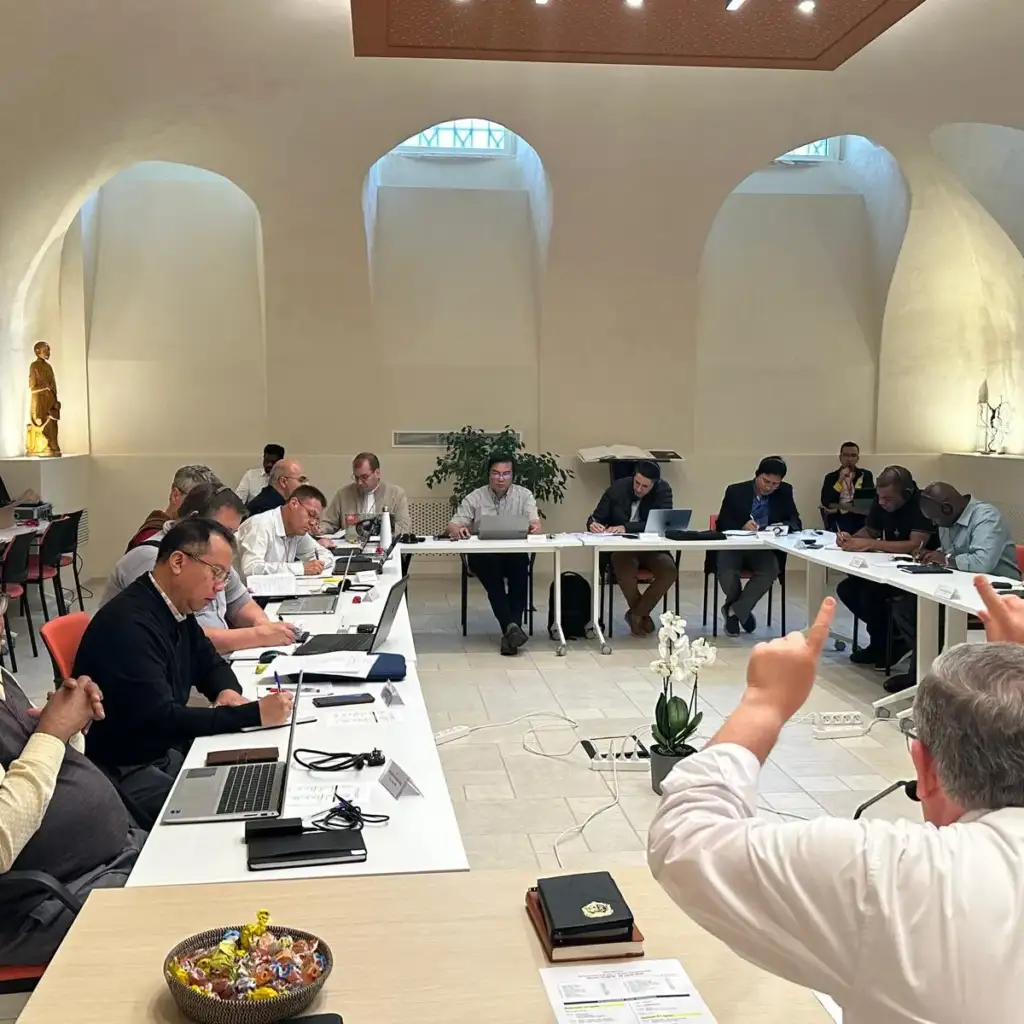
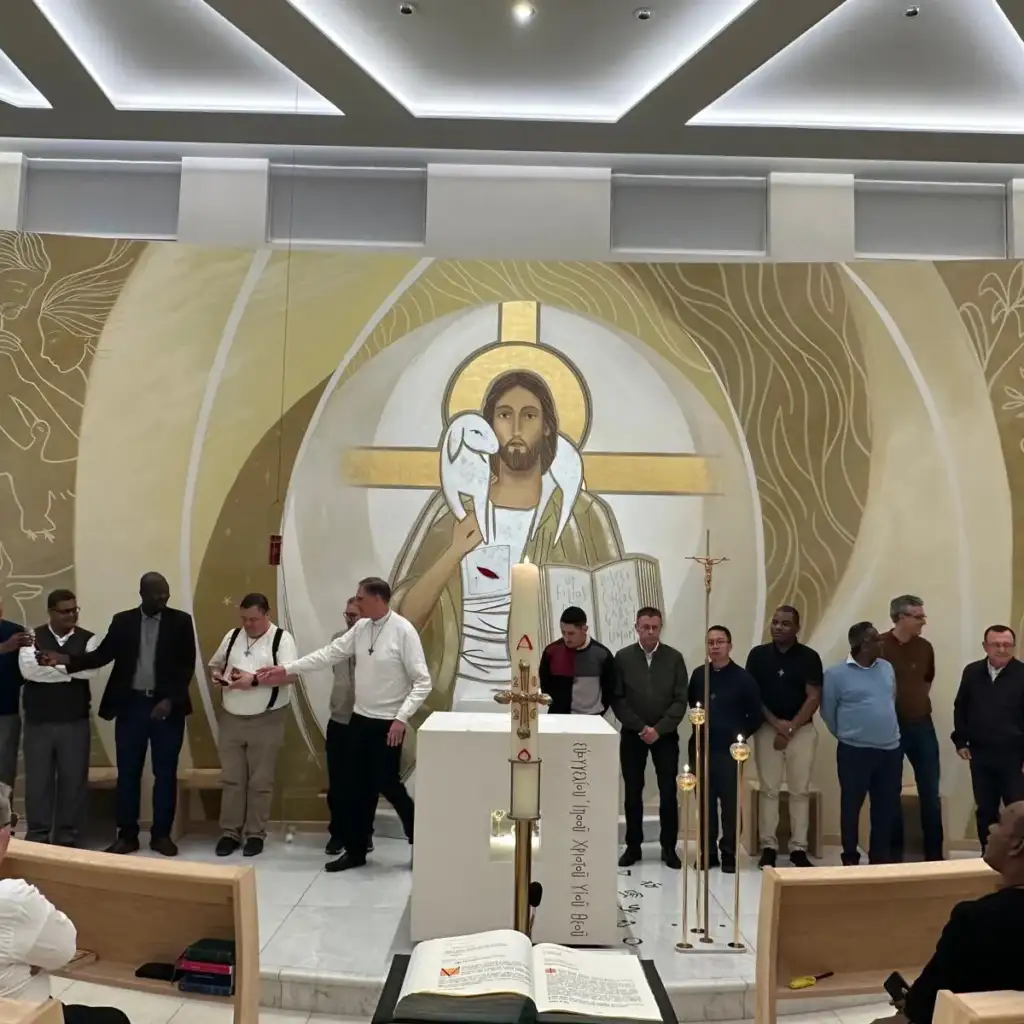
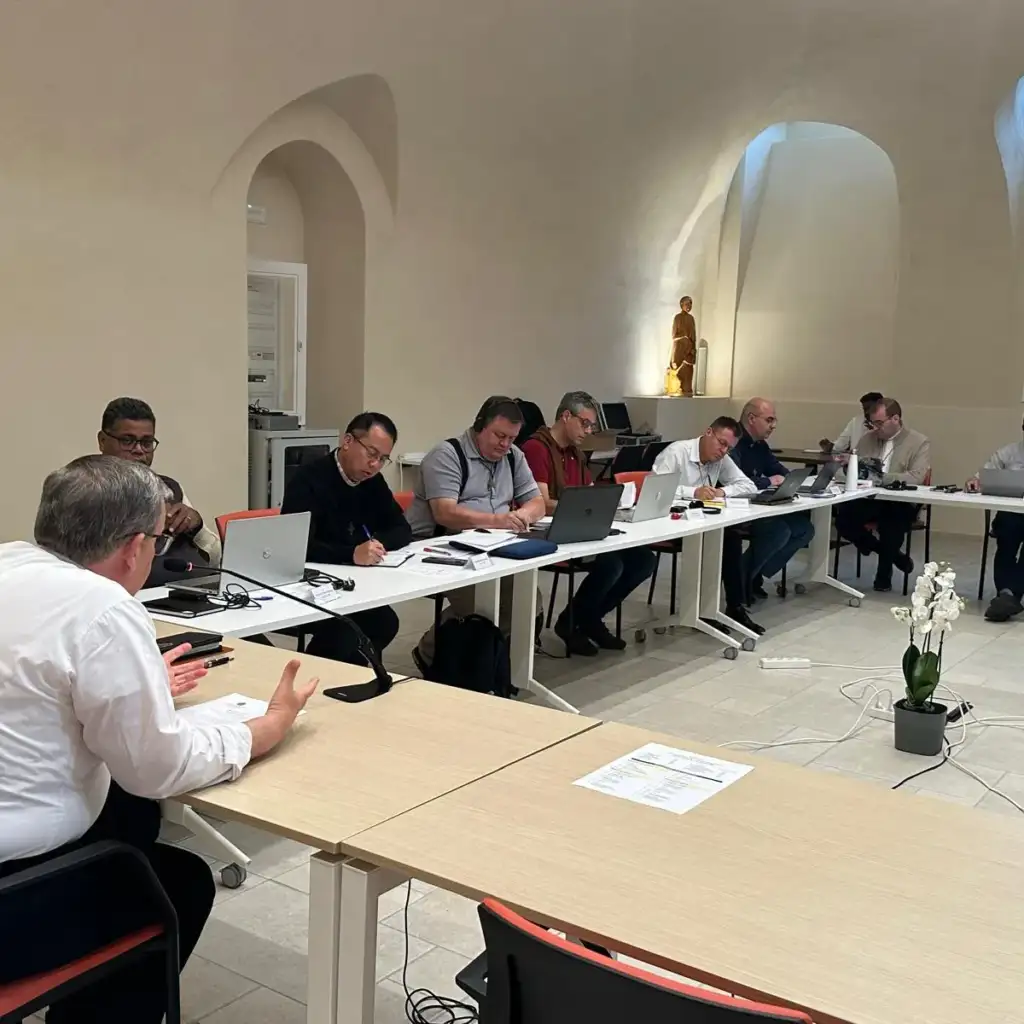
The Salesians of Don Bosco have taken a significant step in strengthening leadership and governance across their global network through a week-long formation programme for Vice-Provincials, held in Rome from 19 to 25 April 2026. Fr James Ailen, our vice provincial, was among the participants.
Convened under the guidance of the Rector Major, Fabio Attard, and his Vicar, Stefano Martoglio, the gathering brought together 16 Vice-Provincials from 8 regions, reflecting the international character of the Salesian mission.
At its core, the initiative underscores a key priority of the congregation: ensuring that those entrusted with leadership are not only administratively competent but also deeply rooted in the charism of John Bosco. Vice-Provincials play a crucial role in supporting Provincial Superiors in animation, governance, and the accompaniment of Salesian communities. Their formation, therefore, is essential for sustaining unity, mission effectiveness, and fidelity to Salesian identity.
The programme combined moments of prayer, reflection, and fraternal exchange with thematic sessions on youth ministry, formation, missionary activity, juridical responsibilities, social communication, and economic stewardship. While these sessions provided practical tools for leadership, their deeper aim was to foster a holistic vision of service—one that integrates pastoral sensitivity with organizational responsibility.
In today’s rapidly changing social and cultural landscape, the formation of leaders within religious congregations has become increasingly important. The Salesians, known worldwide for their dedication to the education and evangelization of young people, recognize that effective leadership must respond to emerging challenges such as youth unemployment, digital transformation, and shifting moral frameworks. By investing in the formation of Vice-Provincials, the congregation seeks to ensure that its mission remains both relevant and impactful.
Equally significant was the emphasis on shared experience and intercultural dialogue. Participants engaged in open discussions and moments of communal discernment, allowing them to learn from one another’s contexts and challenges. This exchange reflects a broader ecclesial vision promoted by the Catholic Church—that leadership is exercised not in isolation but through collaboration and synodality.
The formation concluded with a synthesis and evaluation led by the Rector Major and his Vicar, reaffirming the importance of continuous formation in religious life. As the participants return to their respective provinces, they carry with them not only new insights and competencies but also a renewed commitment to serve young people with the spirit of Don Bosco.
Ultimately, this initiative highlights a fundamental conviction: that the vitality of the Salesian mission depends largely on the quality of its leaders. By forming Vice-Provincials who are both spiritually grounded and pastorally effective, the Salesians continue to invest in a future where young people remain at the heart of their apostolic mission.
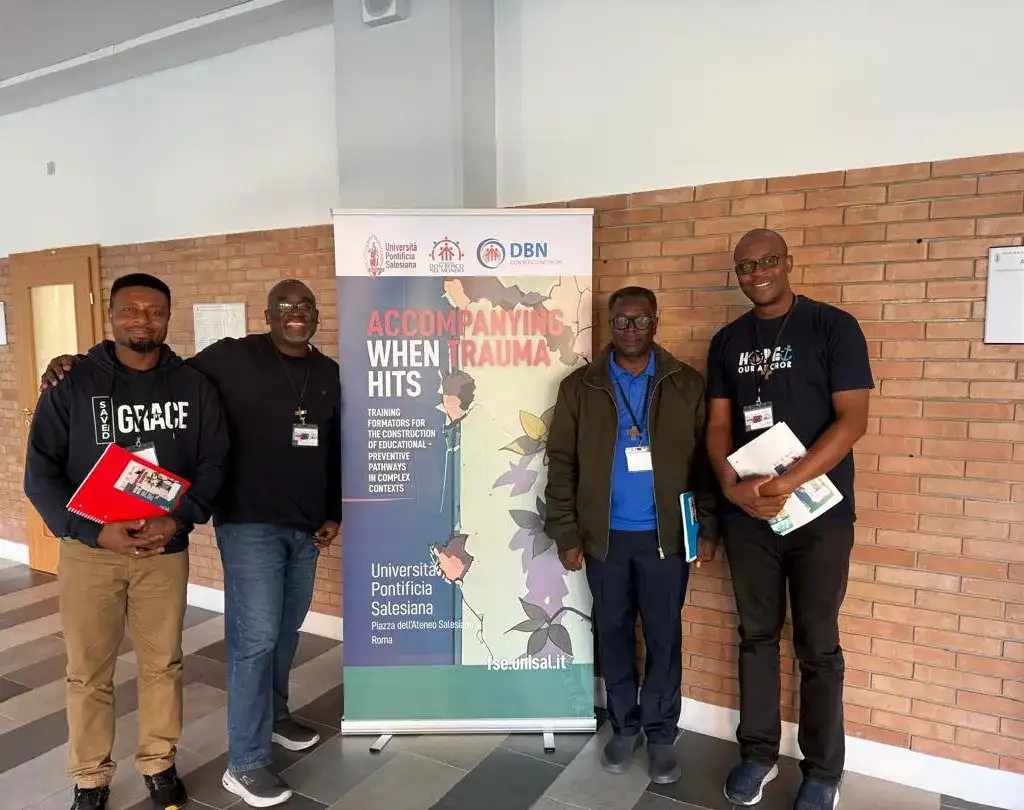
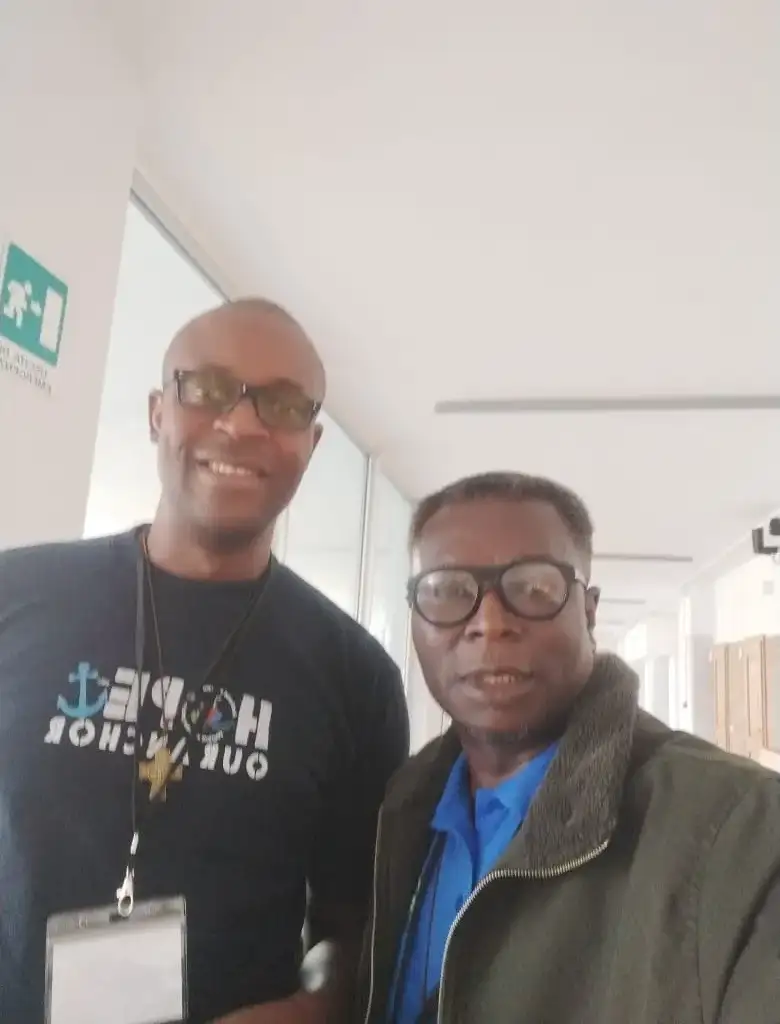
Rome, Italy – April 7–22, 2026 — The Africa Nigeria–Niger (ANN) Province is fully represented at the ongoing Trauma Skills Training taking place at the Pontifical Salesian University (UPS), Rome. Representing the Province are Fr. James Ailen, SDB; Fr. Niyi Omoniyi, SDB; Fr. Matthew Adetiloye, SDB; and Fr. Ohuakanwa, SDB.
The training, organized by the Faculty of Educational Sciences (FSE) of UPS, is themed: “Accompanying When Trauma Hits: Training Formators for the Construction of Educational-Preventive Pathways in Complex Contexts.” It brings together participants from various Provinces to deepen their understanding of trauma and to develop effective pastoral and educational responses.
Since its commencement on April 7, the program has provided rich insights into the realities of trauma and practical approaches to accompaniment, particularly within challenging and complex environments. Participants are being equipped with skills that will enhance their capacity as formators, enabling them to better support young people and communities affected by trauma.
The participation of the ANN Province underscores its commitment to holistic formation, safeguarding, and the promotion of youth well-being, especially in contexts where vulnerability and trauma are increasingly prevalent.
The Salesian presence in the historic Roman district of Testaccio dates back to the beginning of the twentieth century. The origin of the Opera Salesiana Testaccio can be traced to the year 1900, when the primary apostolate entrusted to the Salesians was the care of the primary schools affiliated with the Holy See.
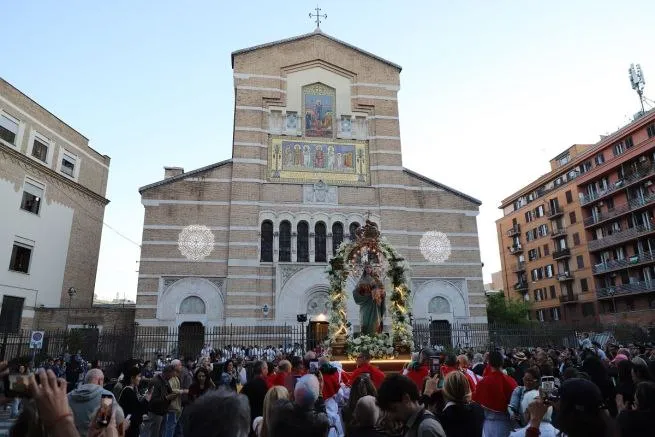
The parish of Santa Maria Liberatrice, Rome-Testaccio
Initially, the mission had been proposed to the Benedictines of St. Anselm. However, Pope St. Pius X personally encouraged Don Michele Rua, the first successor of St. John Bosco, to entrust the work to the Salesians. Accepting the Pope’s invitation, Don Rua sent confreres who travelled daily from the Salesian community of the Sacro Cuore (Sacred Heart) in central Rome to carry out the mission in Testaccio. What began as a modest educational initiative gradually grew into a vibrant centre of Salesian pastoral activity.
The Parish Apostolate
As the Salesian presence took root in the neighbourhood, the pastoral needs of the local population also became part of the mission. This development led to the establishment of the parish Santa Maria Liberatrice (St. Mary the Liberator), which was officially consecrated on 29 November 1908.
With the parish came a new and dynamic dimension of Salesian life: the oratory. Faithful to the spirit of Don Bosco, the oratory quickly became a gathering place for large numbers of young people who came daily for prayer, formation, recreation, and companionship. The mission in Testaccio thus expanded beyond the classroom to embrace parish ministry, youth pastoral work, and educational formation.
Over time, the Salesian work in the area developed its distinctive character. Parish activities flourished, youth groups and pious associations were formed, and the oratory became a lively centre of Christian and social life for the young people of the district.
The Birth of the Salesian Community
For many years, the Salesians serving in Testaccio still officially belonged to the community of Sacro Cuore in Rome. This situation continued until 1921, when the Salesian community of Testaccio was formally established under the patronage of St. Joseph Cafasso, the spiritual guide of Don Bosco.
As the decades passed, the educational apostolate that had marked the beginning of the mission gradually changed. The school, once the primary focus of the work, was progressively reduced until 1980, when it remained only with primary classes. The unused classrooms were then adapted to serve another important Salesian need: housing for Salesian seminarians and students pursuing studies in philosophy and theology in Rome.
An International Salesian Community
Today, the Salesian community of Testaccio reflects the international character of the Congregation. Over the years, the seminarians who once lived here have been replaced by Salesians from different parts of the world who come to Rome for specialization and studies at the Pontifical Universities.
At present, the community is home to 38 confreres representing countries such as Brazil, Argentina, Italy, Nigeria, Congo, Tanzania, Kenya, and India, among others. The community is led by Fr. Orestes Carlinhos Fistarol, who serves as Rector.
Life in Testaccio therefore, continues the rich Salesian tradition of study, fraternity, and pastoral commitment. The community not only serves the local parish and youth but also forms part of the wider mission of the Congregation by supporting the academic and spiritual formation of Salesians from across the globe.
A Visit from the Province
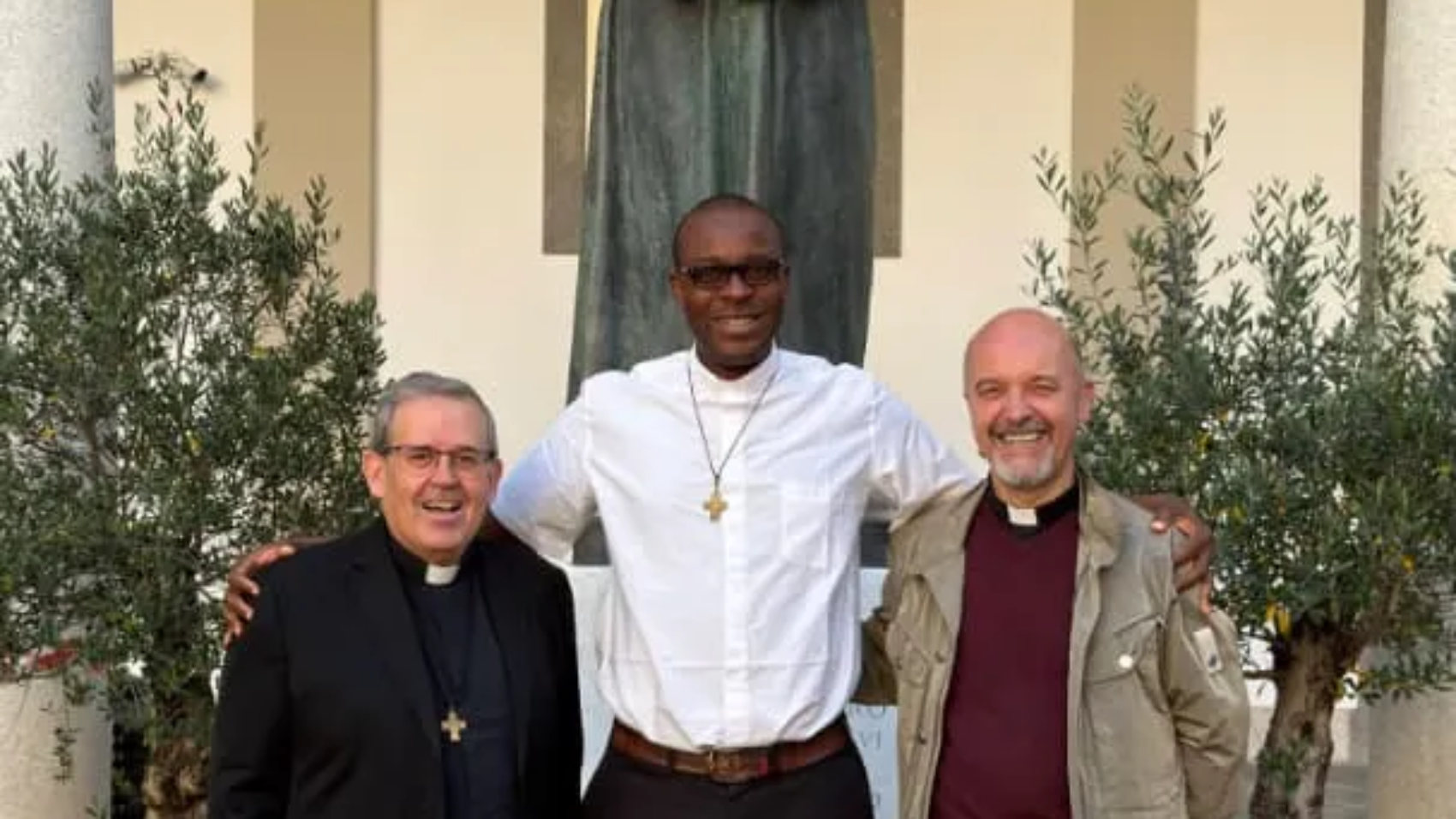
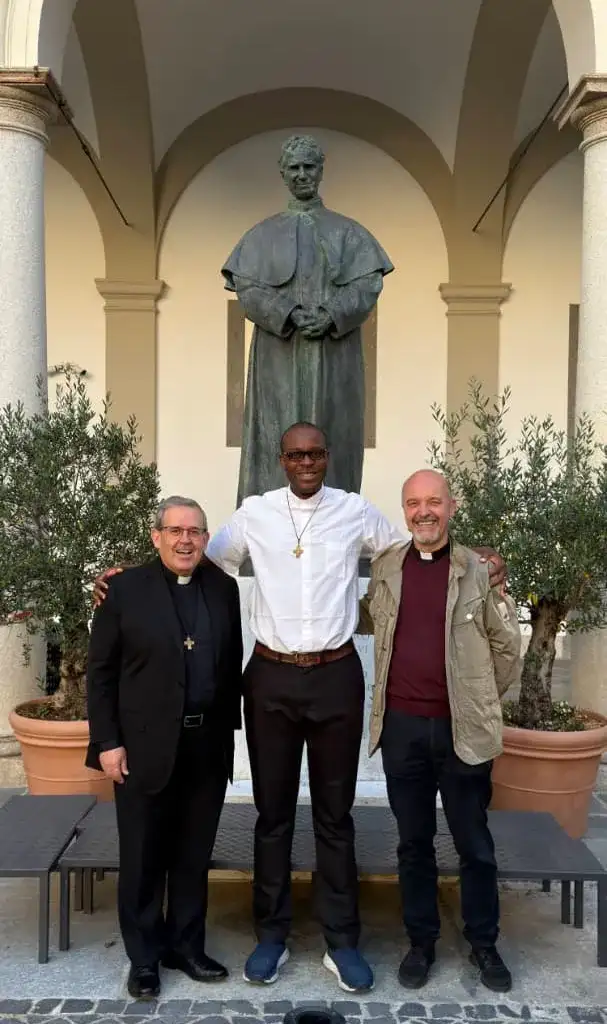
Recently, the community had the joy of welcoming the Provincial and the Provincial Economer, who are currently visiting confreres studying or working in Europe. Their visit was a moment of fraternal encounter, encouragement, and renewed connection with the Province.
Deacon Ekene-Maria Adizue with the Provincial of ANN Province, Fr Peter Morba
For those of us living and studying far from home, such visits are a reminder that we remain deeply united with our confreres and our mission back in the Province. It was a moment of shared conversation, prayer, and reflection on the ongoing mission of Don Bosco in different parts of the world.
Even here in the heart of Rome, the spirit of Don Bosco continues to live on — in community life, in pastoral service, and in the commitment to form ourselves more deeply for the service of the young.
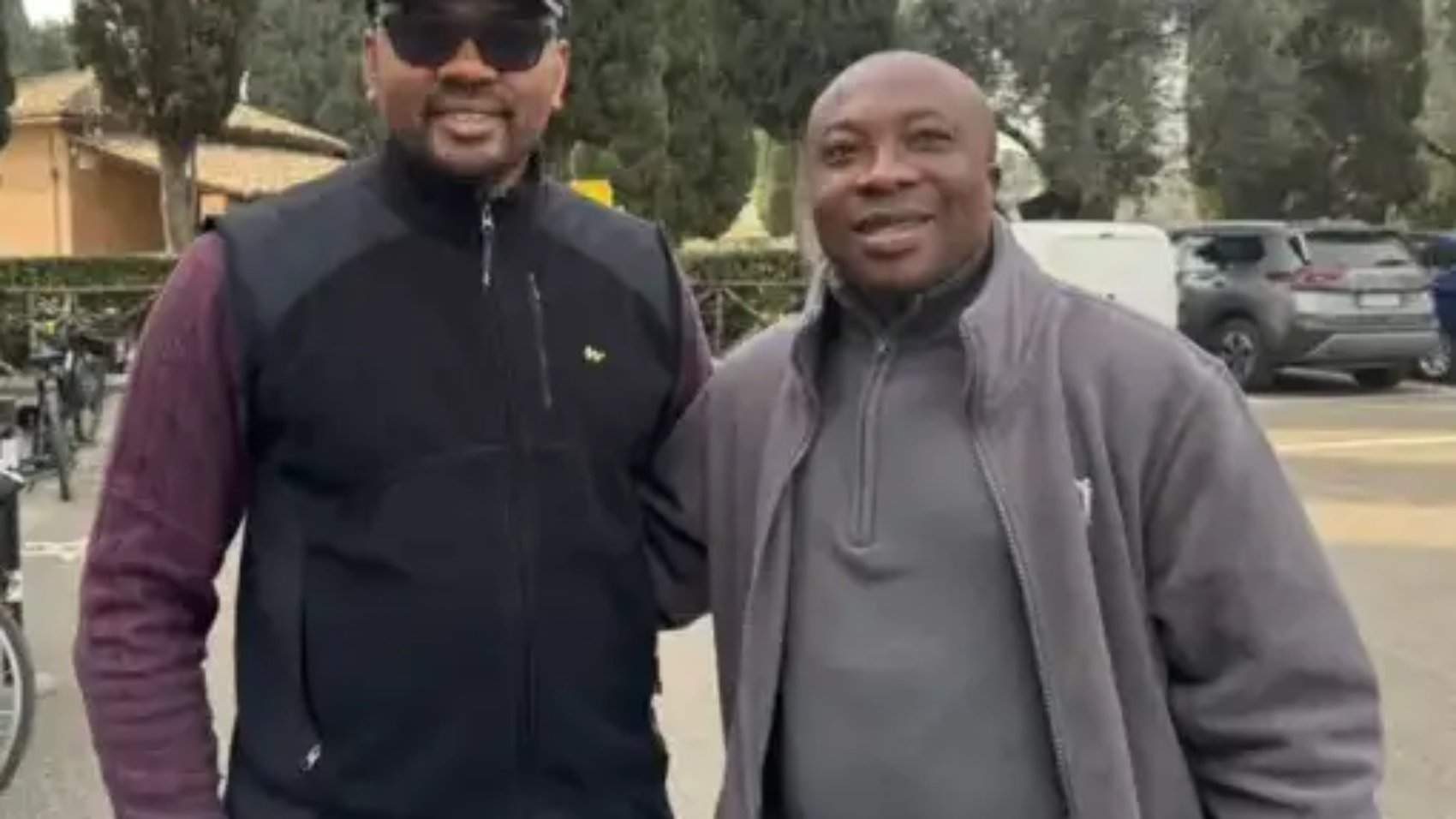
When I arrived at the community of the Catacombs of San Callisto on 21 January, I received a warm Salesian welcome from the rector and Fr Paschal from ZMB. Providence arranged my arrival at a curious moment: the catacombs were closed to the public, and many confreres had taken the opportunity for family visits. Out of a lively community of eighteen, we were only six at the table, proof that even in Rome, the early Church experience of “small communities” is still alive!
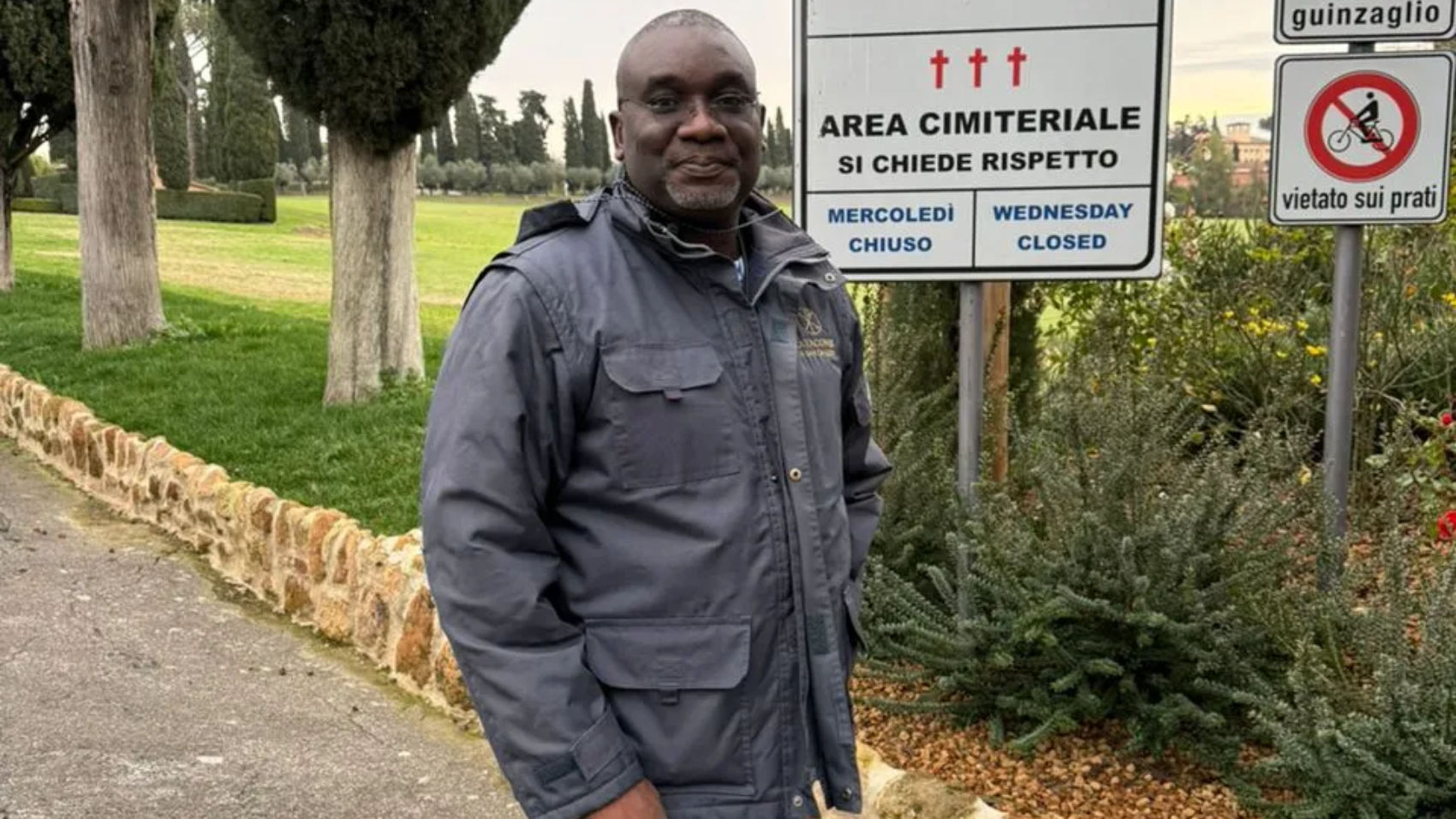
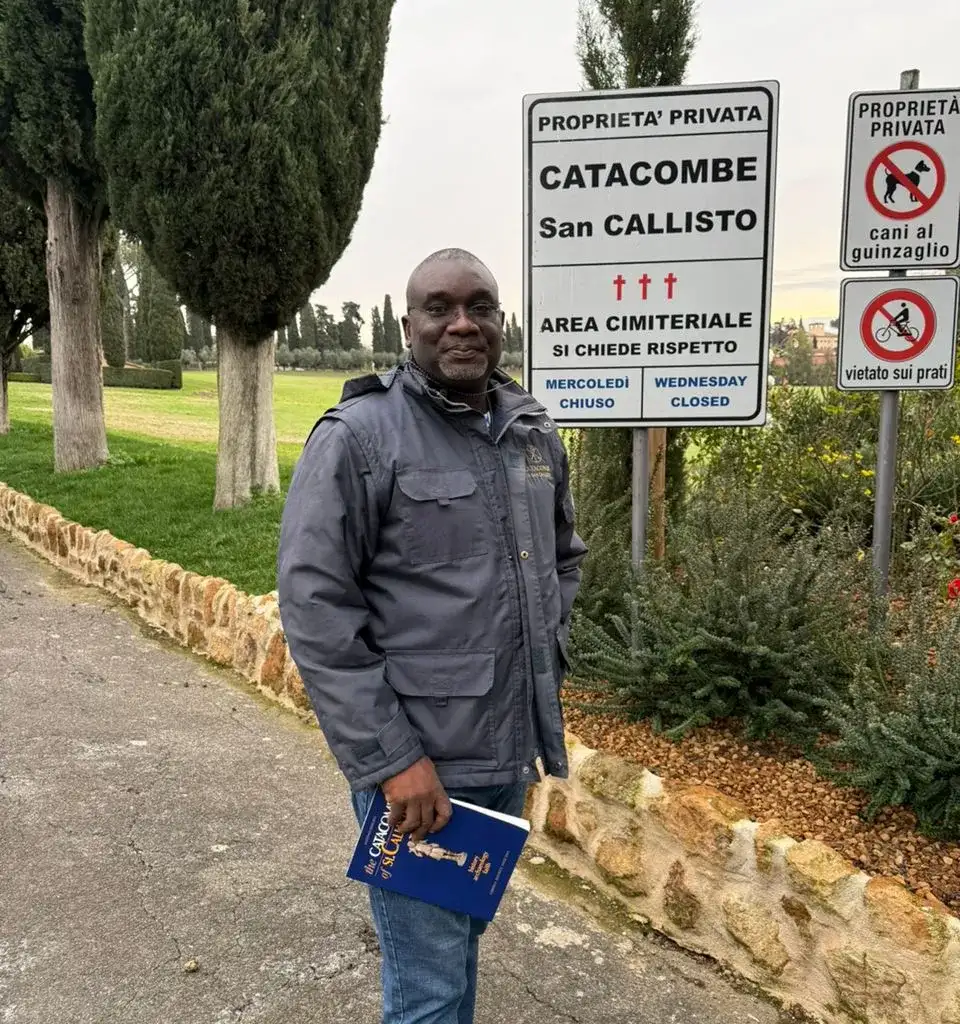
Fr Matthew Adetiloye at the Catacomb of St Callistus, Rome
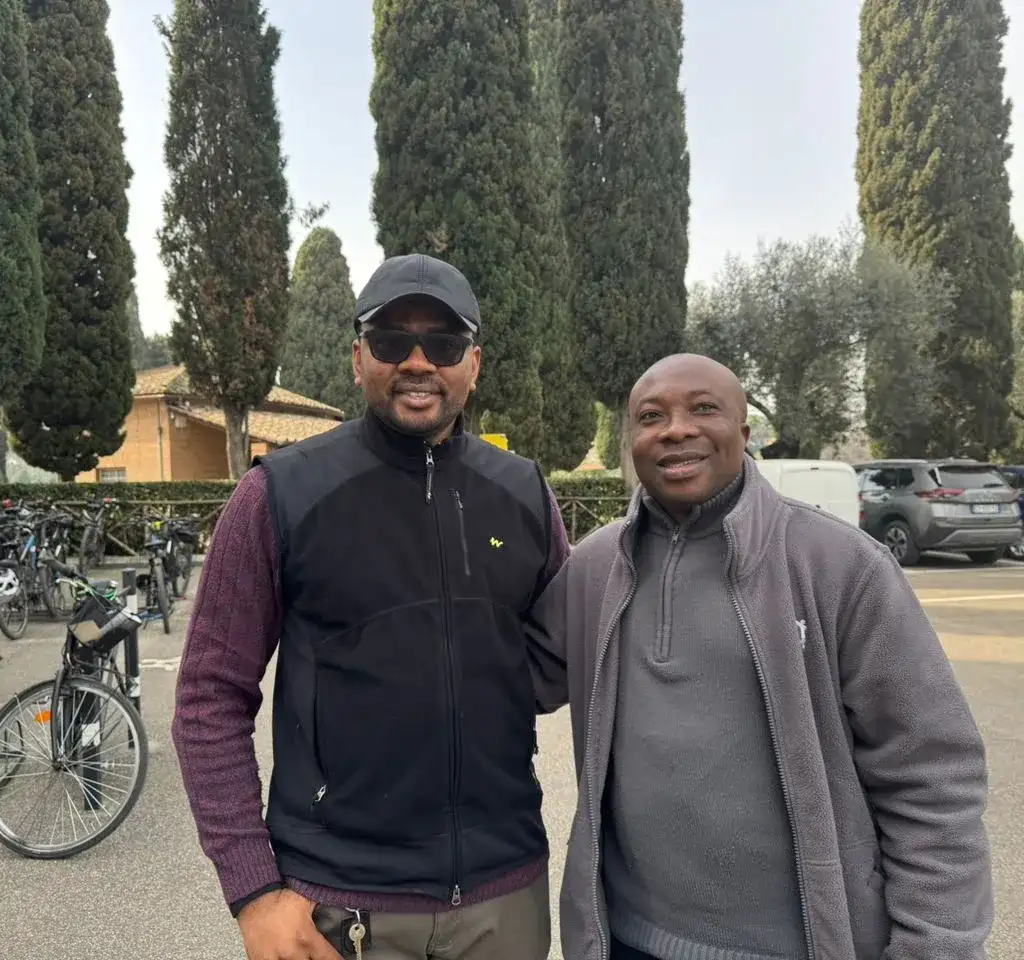
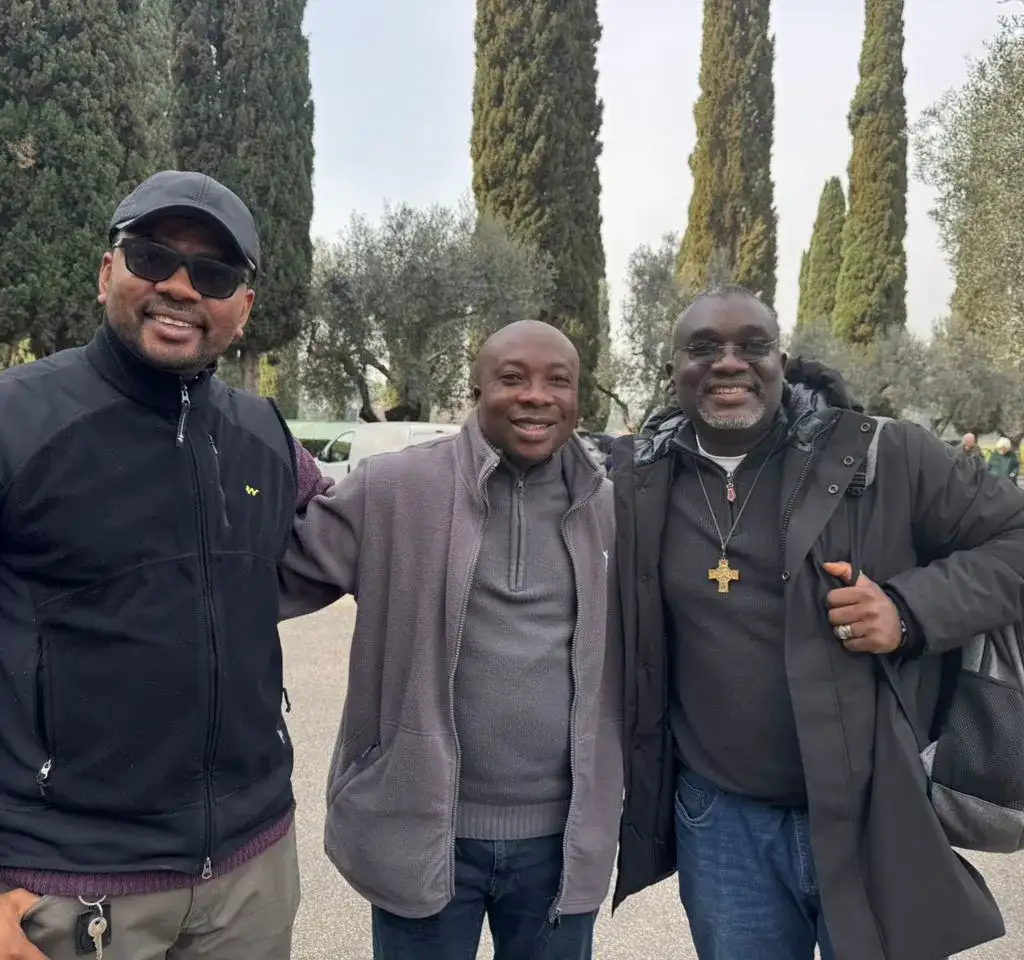
Deacon Ekene Maria with Fr Peter Morba and Fr Matthew Adetiloye
Gradually, the confreres returned, and by 12 February the house was fully operational again. In fact, the full community is quite an international gathering: 18 confreres from 14 different countries. One could say the catacombs are not only ancient but also wonderfully global. One thing quickly became clear: if anyone imagines a sabbatical here as a comfortable armchair, a quiet book, and perhaps a contemplative espresso… well, the catacombs may kindly invite you to reconsider. Down here, even “rest” has to pass through a staircase.
Meanwhile, I began Italian school on 2 February at the A2 level, bravely skipping the beginner stage thanks to some previous knowledge and, I must confess, the tireless evangelising efforts of the Duolingo owl. After a month, I completed the level and have now progressed to B1, which should conclude at the end of March. In short, the martyrs spoke Latin, the pilgrims speak everything else, and I am trying my best to keep up in Italian.
Life here moves at a brisk pace. I return from school around 1:50 p.m., have lunch, and complete assignments, and by 3:00 p.m., I am already back in the catacombs. Our principal task is guiding pilgrims and tourists through the underground galleries. Each visit lasts about 55 minutes and departs every half hour in various languages. My own apostolate is in English.
The schedule runs from 8:45 a.m. until 6:00 p.m., with a modest lunch break of about ninety minutes. This continues every day except Wednesday, when the catacombs is closed to the public. Among ourselves, we call Wednesday “our Sunday”, a small resurrection in the middle of the week.
What makes the experience fascinating is the challenge it presents: imagine meeting people you may never see again and having just 55 minutes to transmit something of faith. Through the stories of the martyrs, the witness of the early Christians, and the memory of the popes buried there, the catacombs themselves become a kind of underground catechism. The walls do not speak, but somehow, they preach.
For me, this sabbatical has become something different from what I first imagined. I expected perhaps a quieter period of study (mercifully without exams). Instead, I discovered another way of being Salesian: changing the field of work while remaining fully in mission, even several metres beneath the surface of Rome.
One final note for confreres who might be considering a similar experience: there are many rooms available here, especially for English-speaking confreres. And I can assure you, it is an experience worth having. Just be prepared… apostolic life sometimes leads us to unexpected places. In this case, quite literally underground.
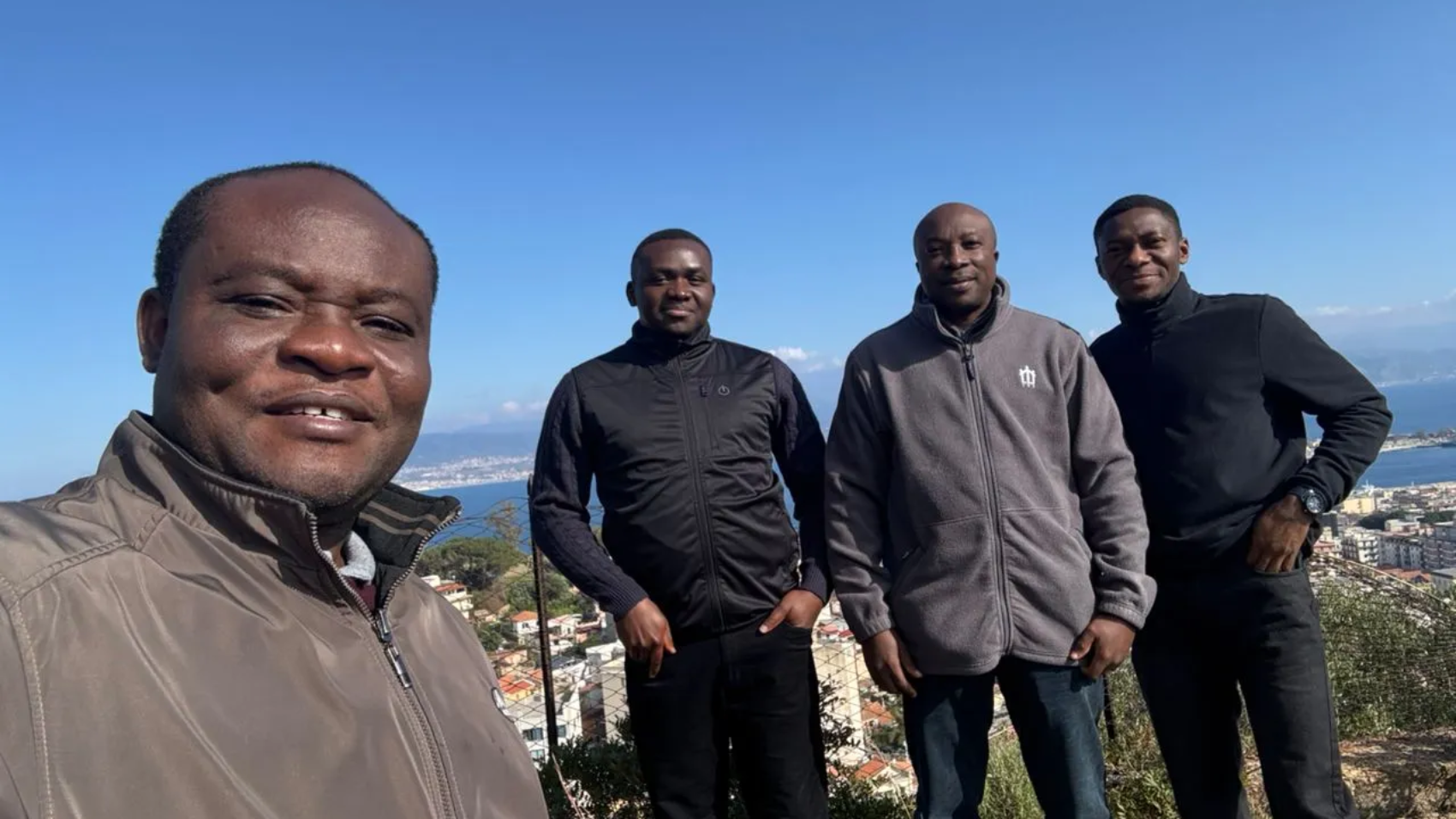
At the heart of the Salesian community in Messina, Italy, two theology students, Stephen Aji-Imoter and Marcel Ezenwa, are embracing their formation journey at the St Thomas Aquinas Salesian Theologate. […]
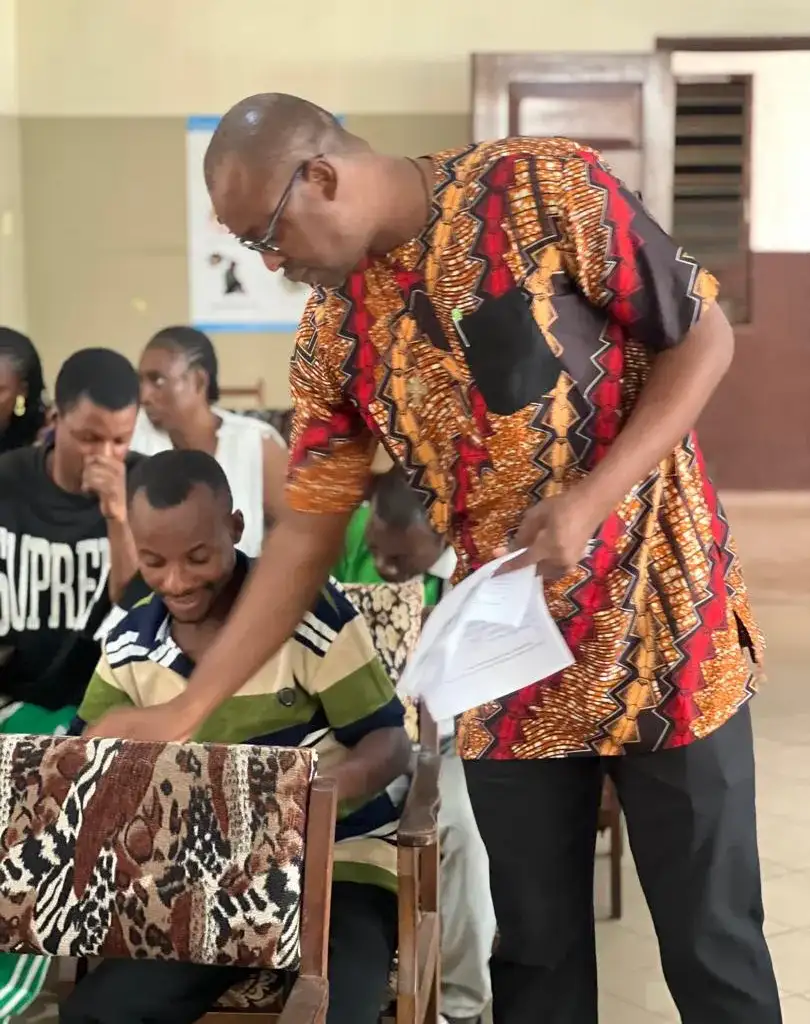
Fr James Ailen conducting the Safeguarding Workshop at Ibadan
The Salesian communities within the ANN Province recently conducted a series of strategic formation sessions aimed at fostering professional synergy and reinforcing our commitment to child protection. These sessions were held at the Ibadan (Post-Novitiate) community on February 19, followed by workshops at Mary Help of Christians, Akure, and St. Jude Science and Technical College, Tse-Mker, today, February 20.
Strengthening Team Synergy
Each program commenced with interactive team-building exercises and icebreakers. These activities were designed to alleviate professional stress and cultivate a genuine “family spirit”—a cornerstone of our educational philosophy—ensuring that staff members across all departments are aligned in mission and morale.
Reaffirming Our Commitment to Safeguarding
A central component of these gatherings was a comprehensive review of the Safeguarding Policy. This session served two critical purposes:
Onboarding: Newly appointed staff members formally committed to the protection of young people and vulnerable adults.
Professional Development: Established staff engaged in a collaborative exchange of best practices regarding the safety and well-being of those in our care.
Our Core Philosophy
The provincial mandate remains clear: young people in our institutions must not only be safe in principle but must feel safe in practice. Through collective vigilance and shared responsibility, we continue to uphold the highest standards of institutional integrity.
Together, we are capable of achieving this vital mission.
Ss, Versiglia and Caravario Community, IbadanFr Joshua Pilaku conducting the staff and students of St Jude Science and Technical College, Tse-MkerSt Joseph the Worker community, Tse-MkerMary Help of Christians community, Akure