International Day for Street Children · 2026
Protect,
Not Punish
“Access to Justice: Protect, Not Punish”
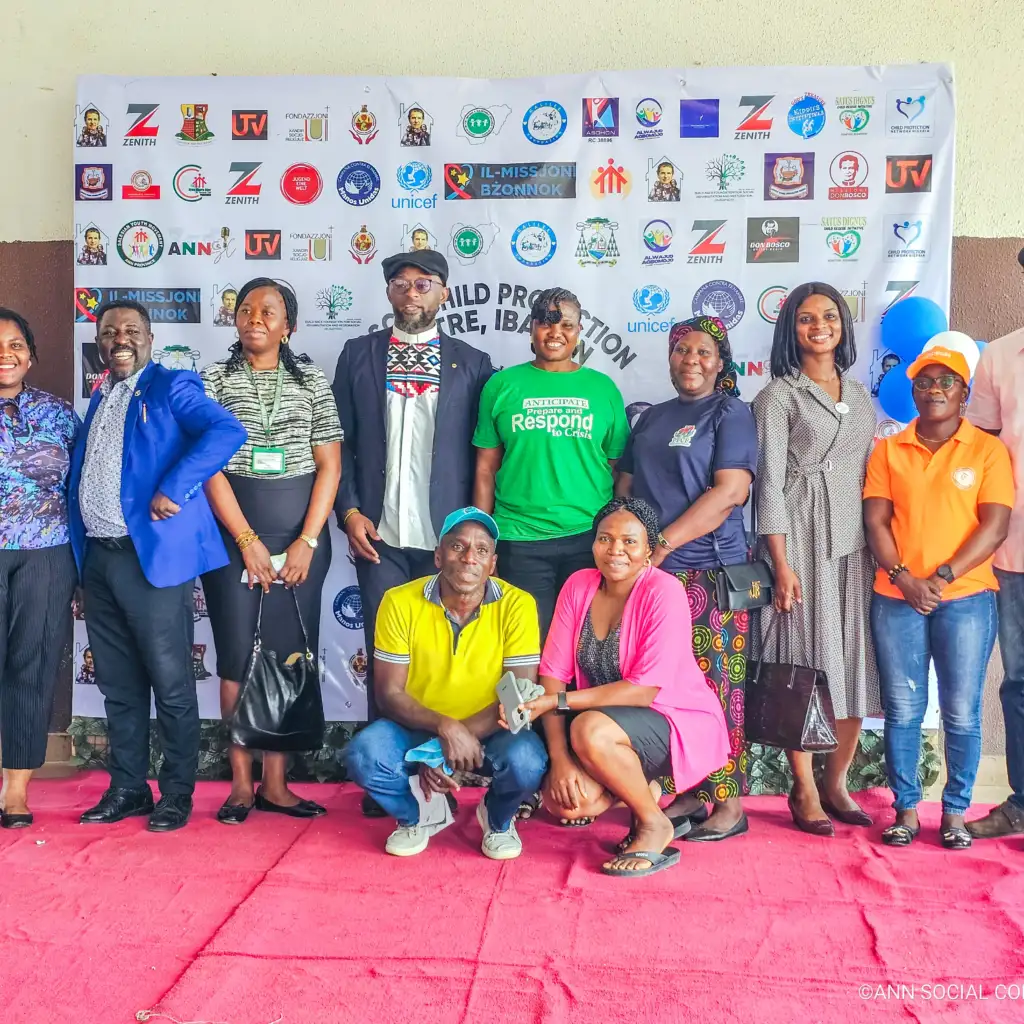
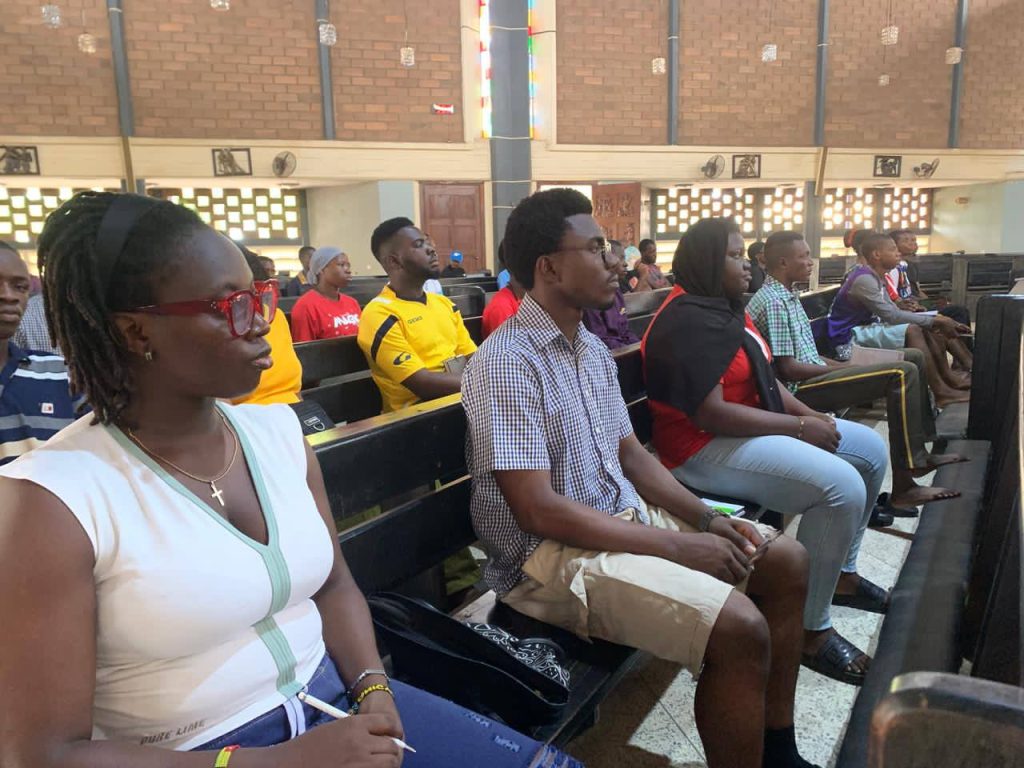
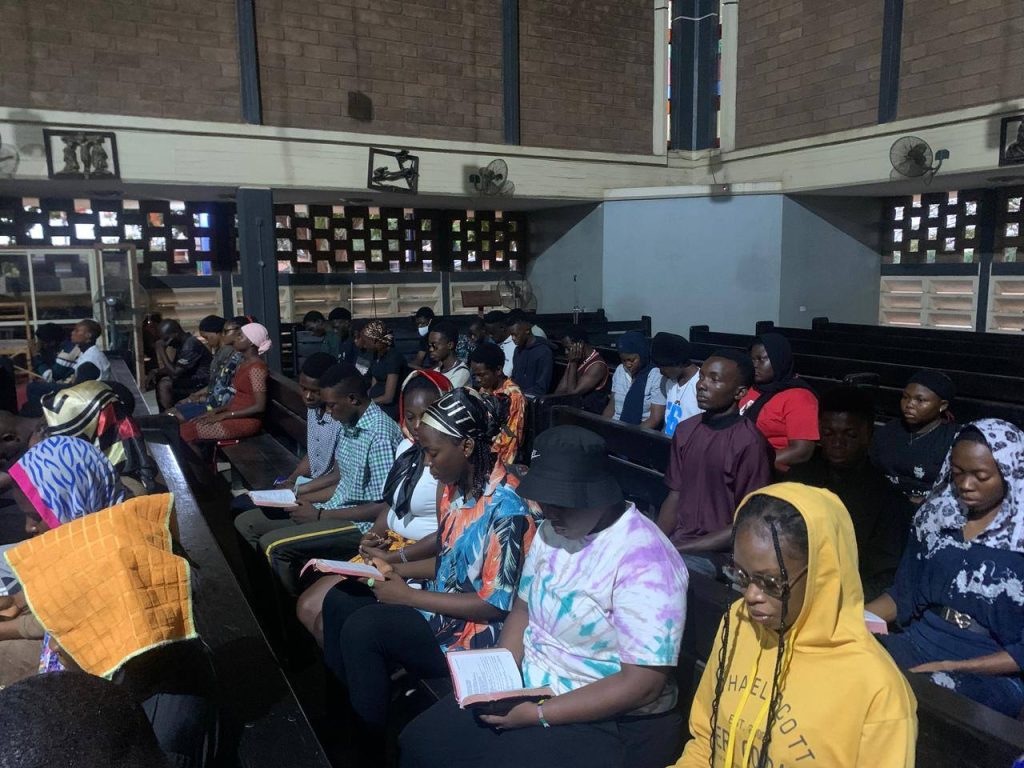
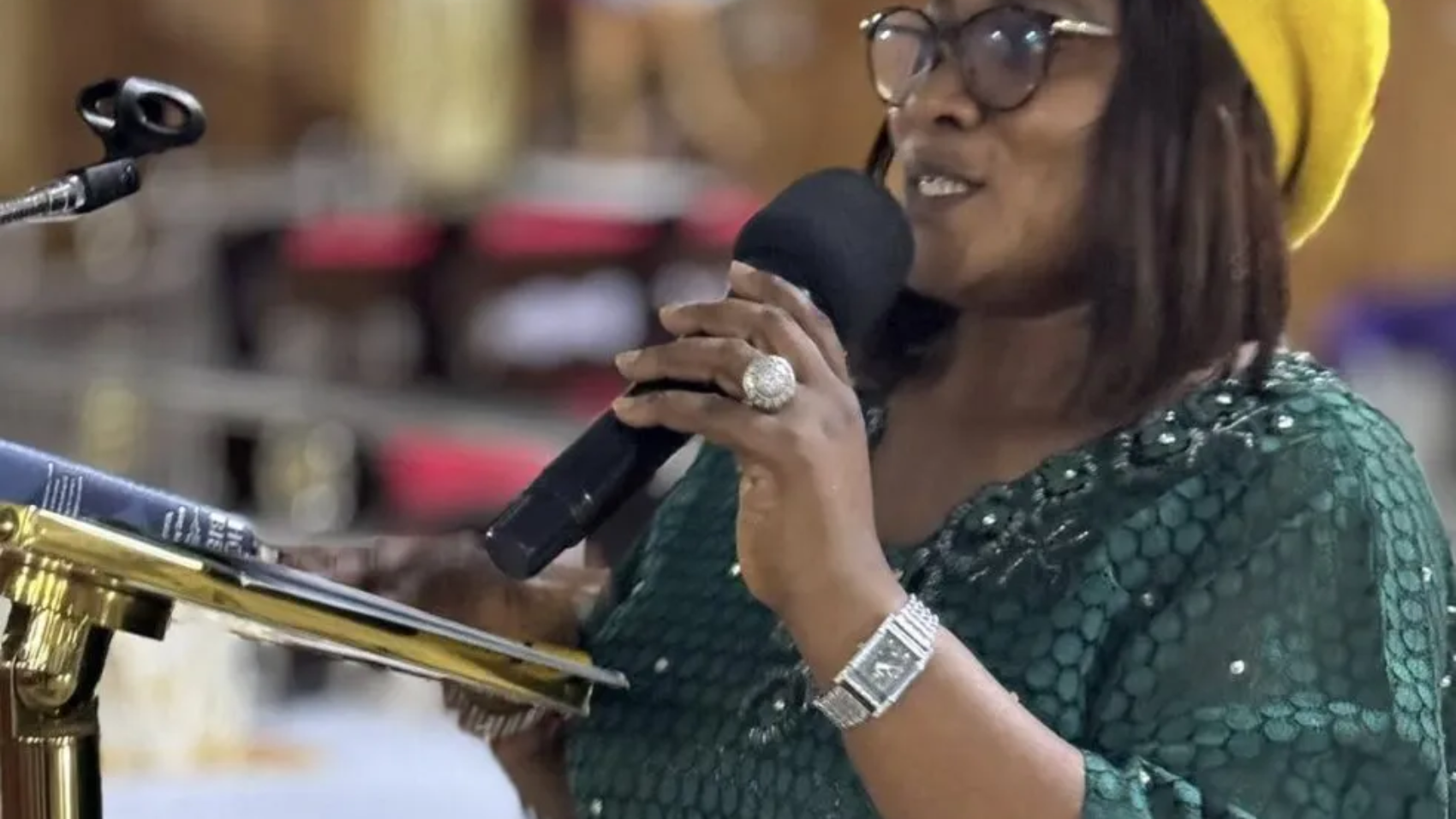
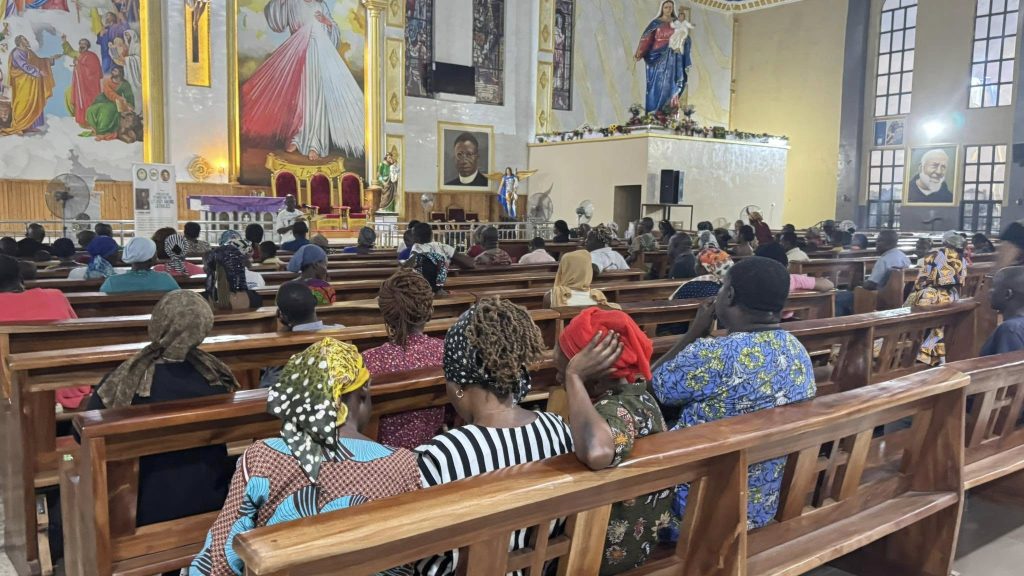
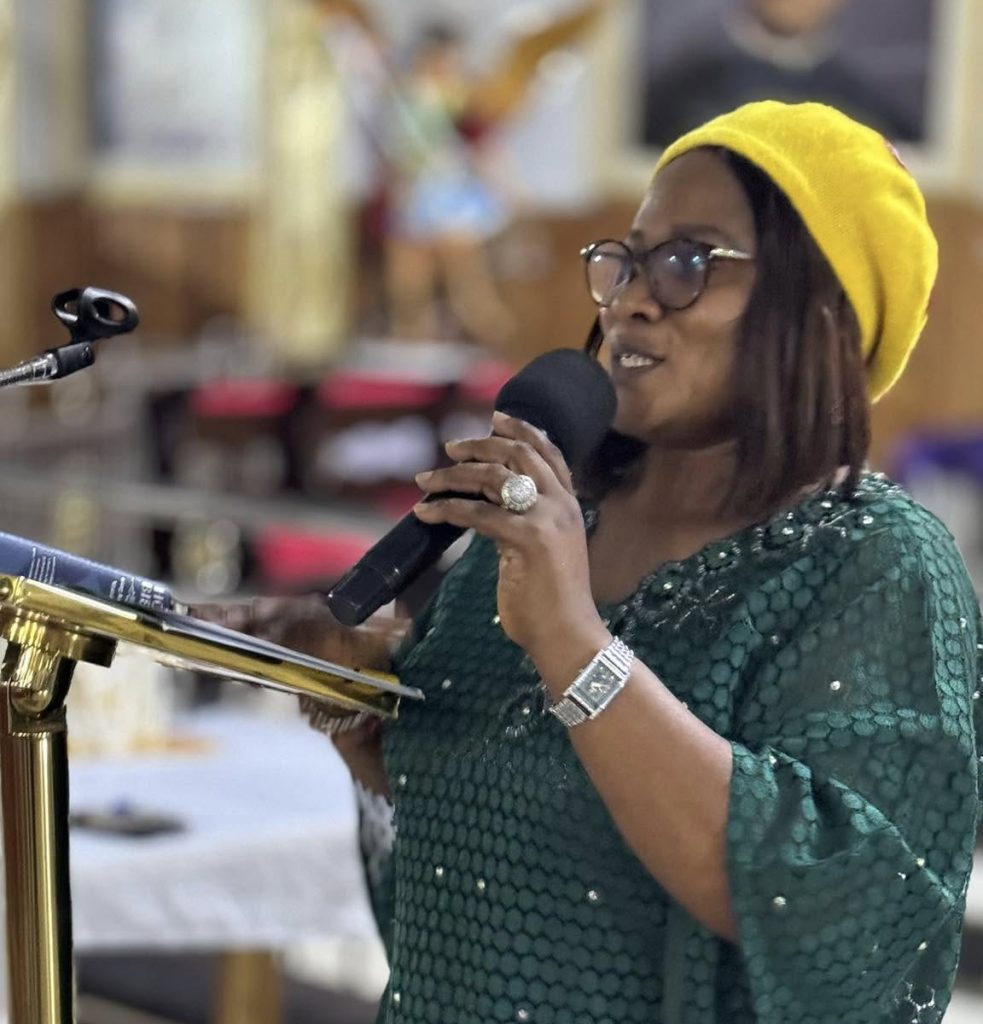
Against the backdrop of Easter week and the global chorus calling for a fairer world, the Bosco Home Child Protection Centre (CPC) Ibadan convened a powerful roundtable to mark the 2026 International Day for Street Children — held at the SS Versiglia and Caravario Community, Ogungbade, Ibadan.
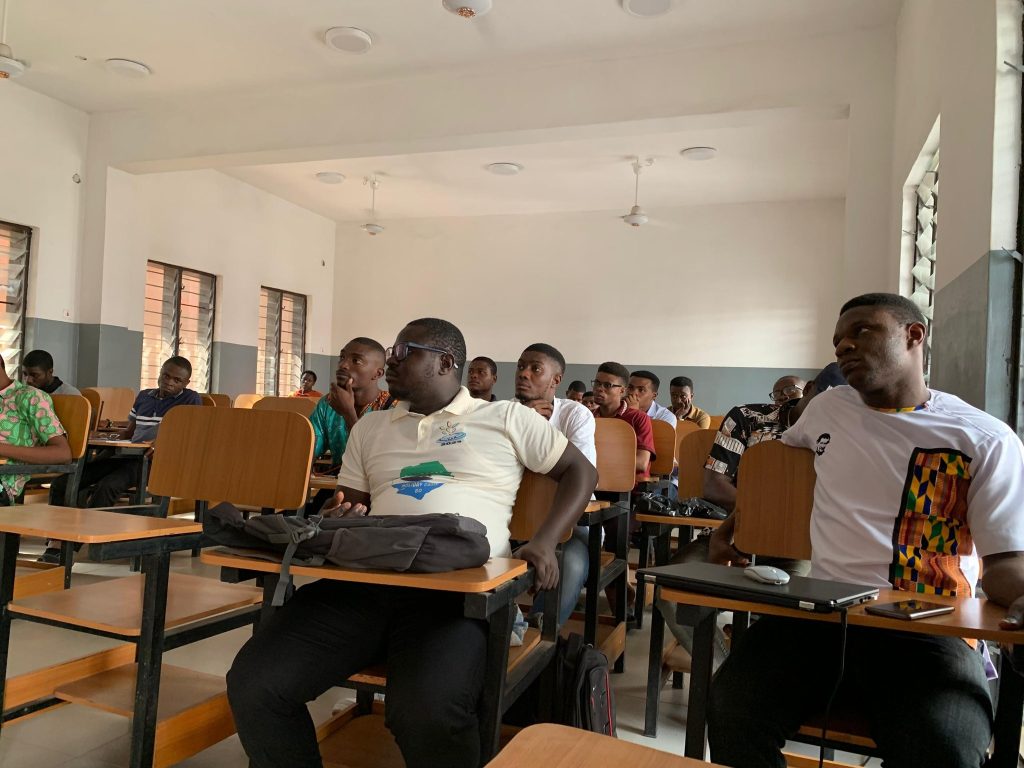
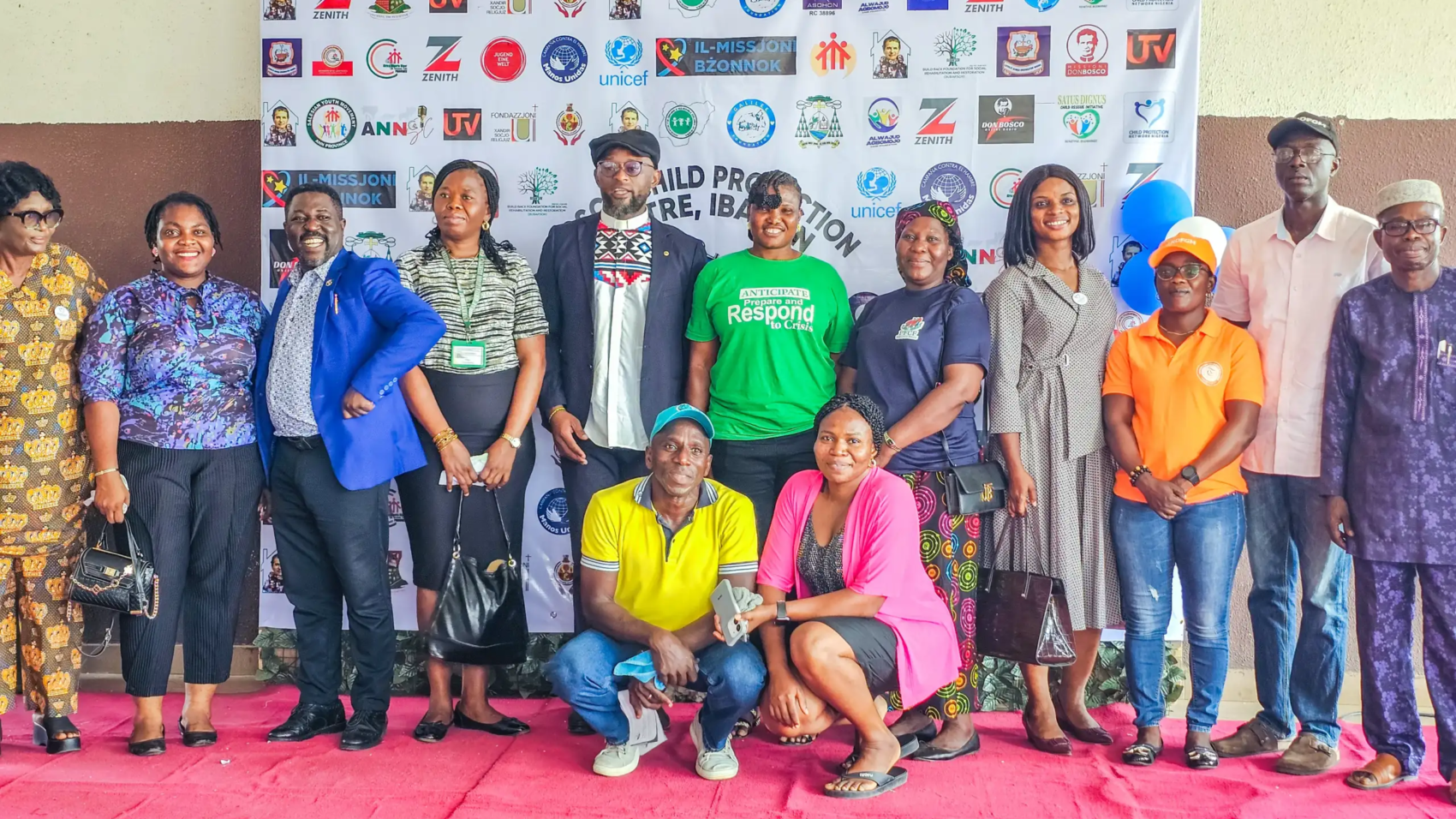
Anchored by the theme “Access to Justice: Protect, Not Punish,” the event brought together a broad coalition of government agencies, civil society organisations, financial institutions, and community leaders — all united by a single purpose: to confront the systemic failures that leave Nigeria’s most vulnerable children without protection, recourse, or hope.
A Room of Voices, A Nation’s Responsibility
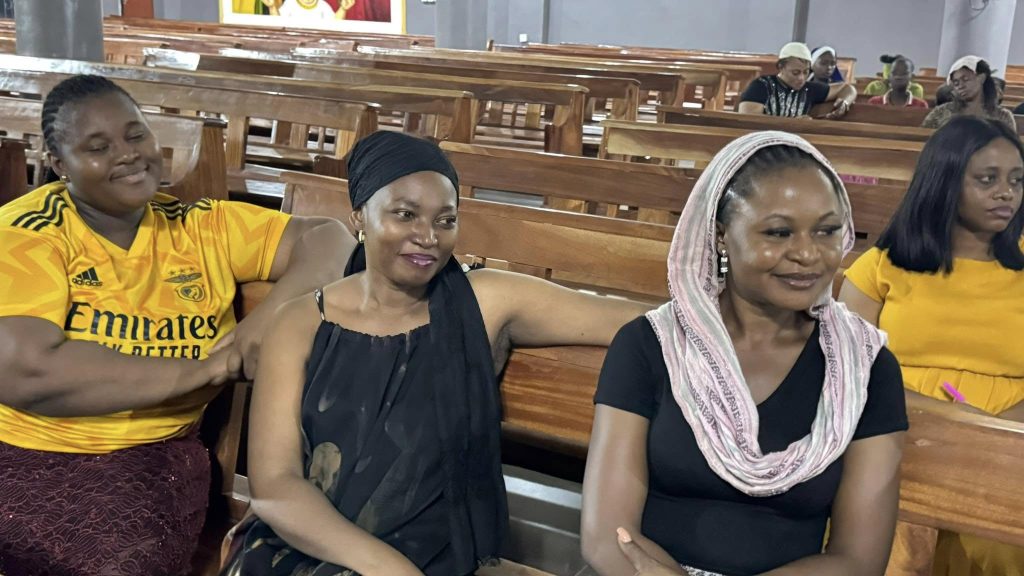
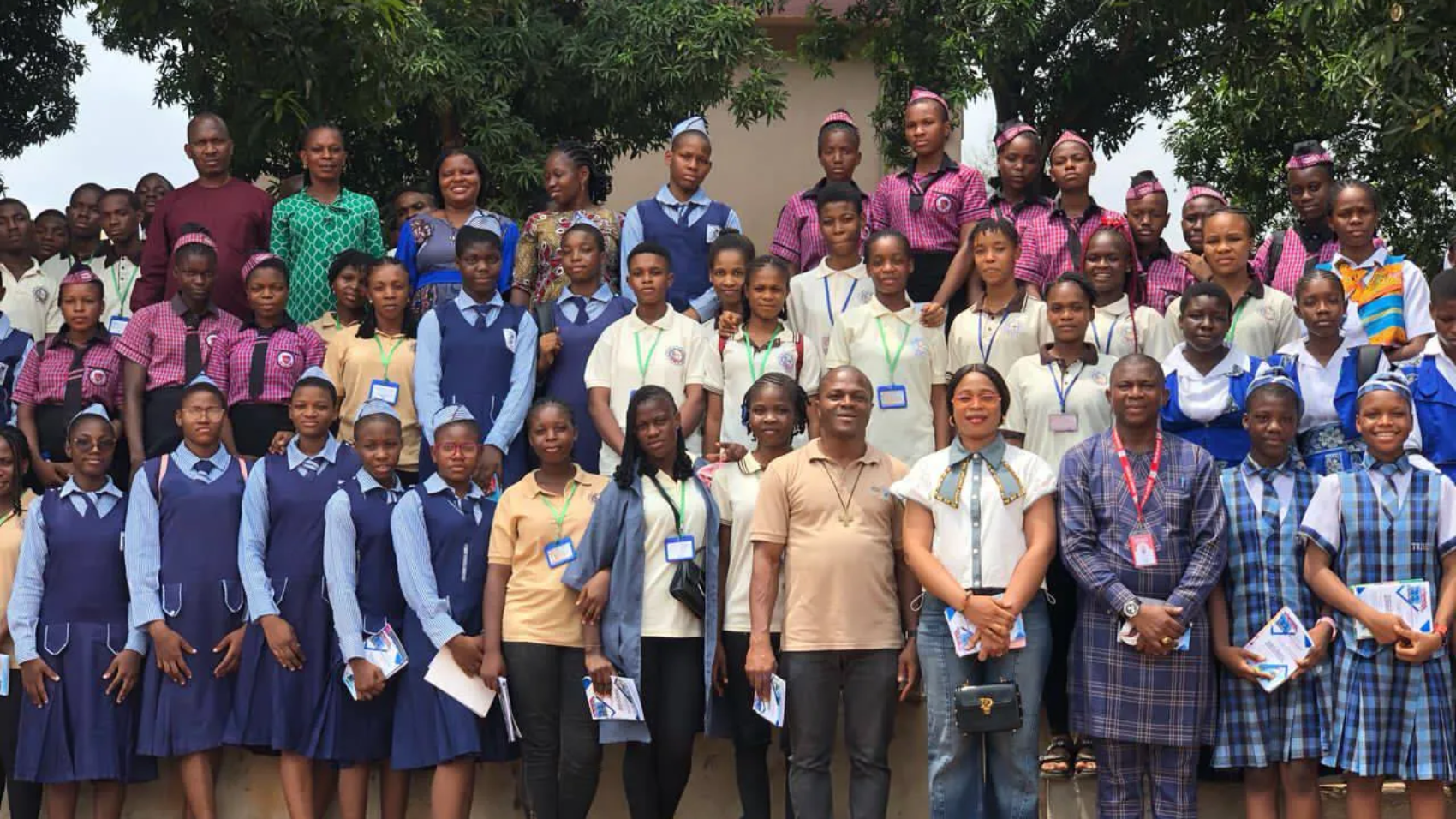
The roundtable drew representatives from an impressive range of stakeholders spanning government, civil society, and the private sector.
The convergence of these voices was itself a statement — that the welfare of street children is not the burden of one ministry or one charity, but a shared national obligation.
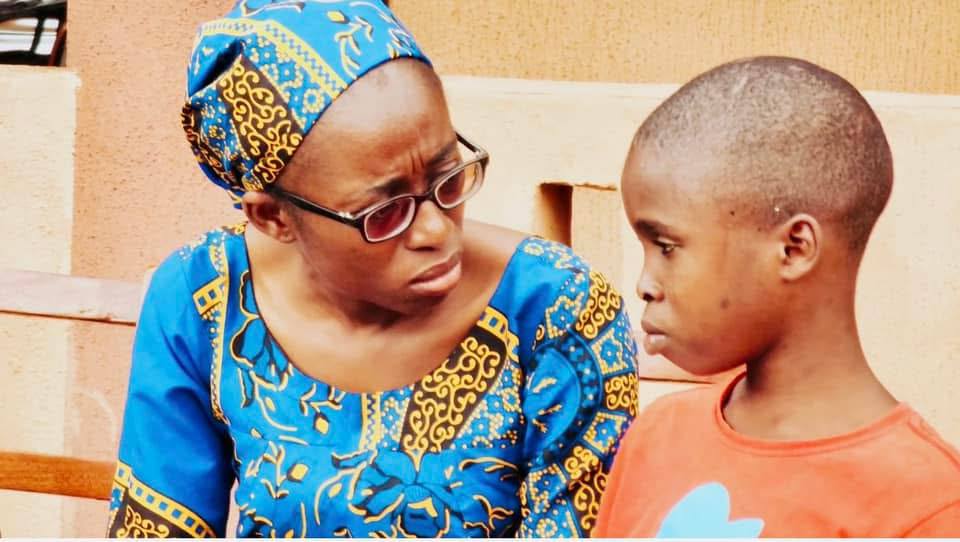
Street children are not a problem to be managed. They are children to be protected, heard, and given every access to justice that any child deserves.
The Programme: From Dialogue to Action
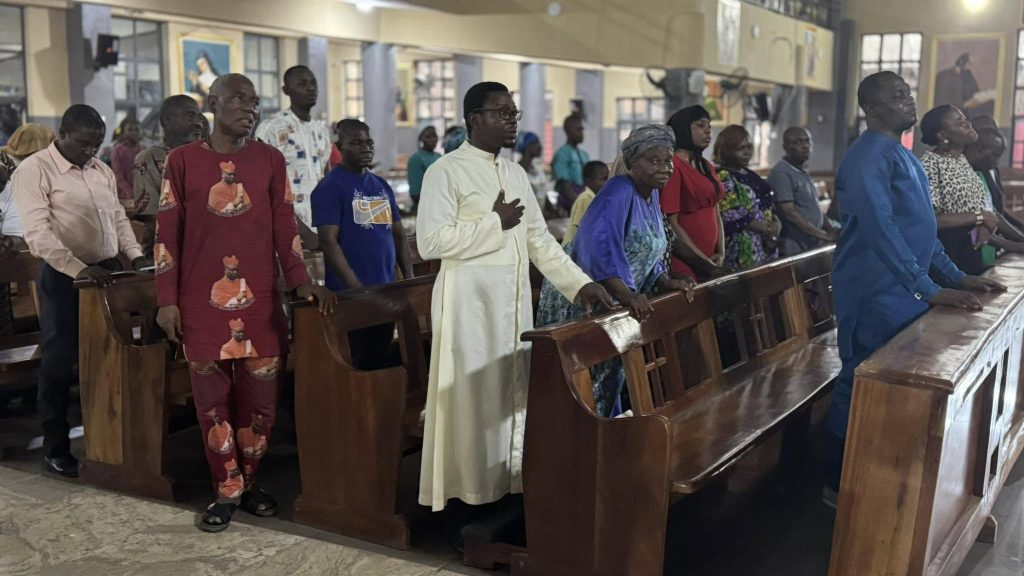
The morning began with registration and networking at 9:00 AM at the Don Bosco Child Protection Centre, followed by an opening prayer and the singing of the national, Oyo State, and BCPC anthems. A welcome address by the host organisation set a tone of urgency and partnership, before guests were formally introduced and the day’s objectives outlined.
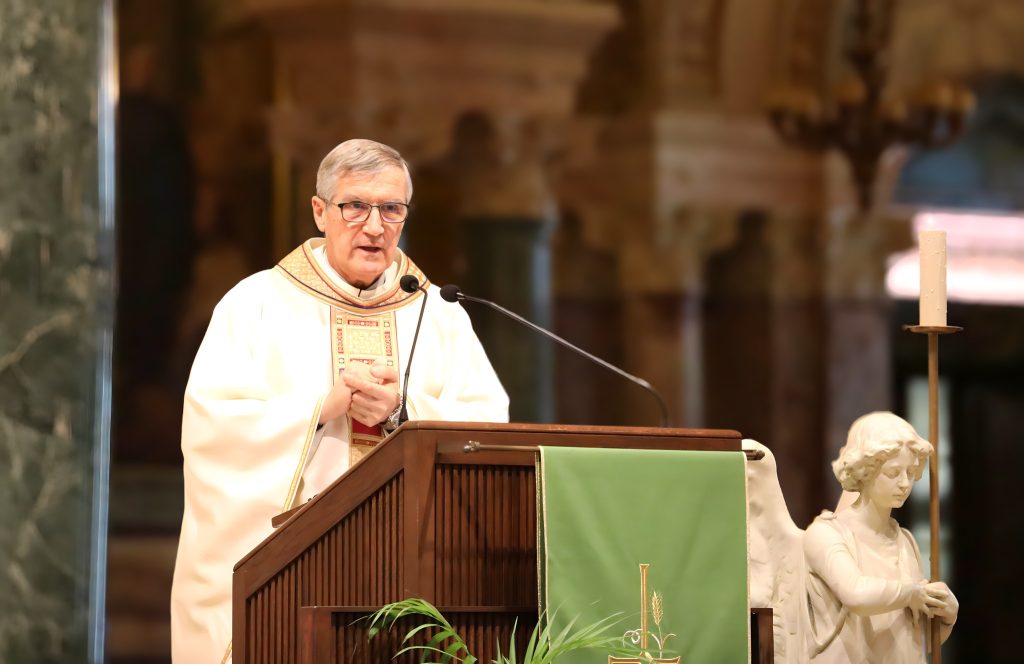
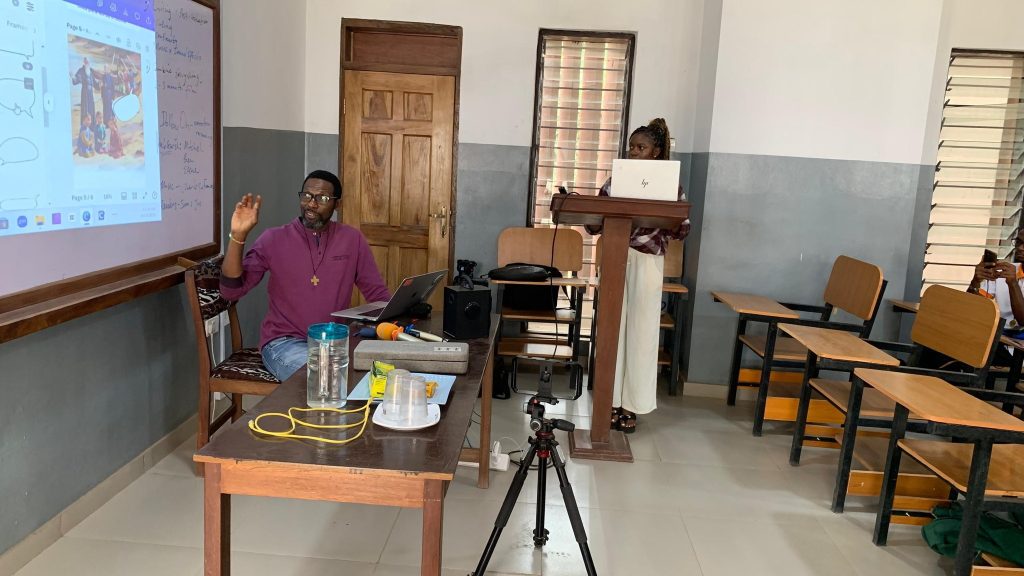
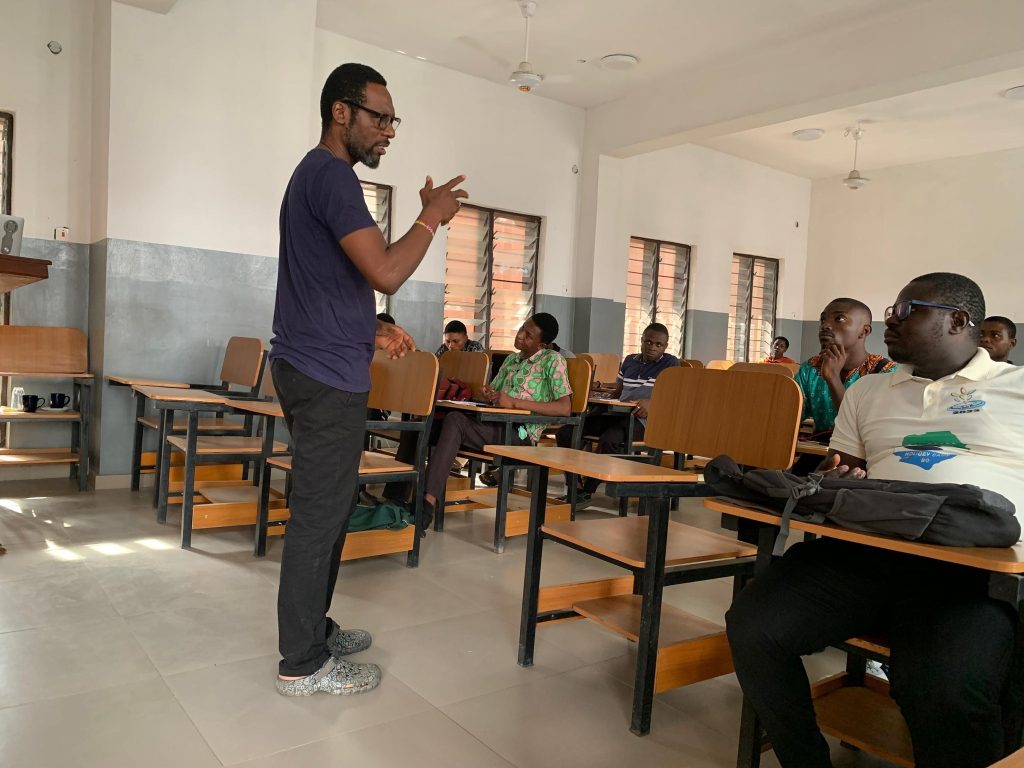
The keynote address was delivered by Rev. Fr. Linus Onyenagubor, whose presentation on “Understanding the Plight of Street Children and Urgent Interventions” grounded the day’s discussions in lived realities — the daily exposure of children on Nigeria’s streets to exploitation, violence, and a justice system that too often punishes vulnerability rather than protecting it.
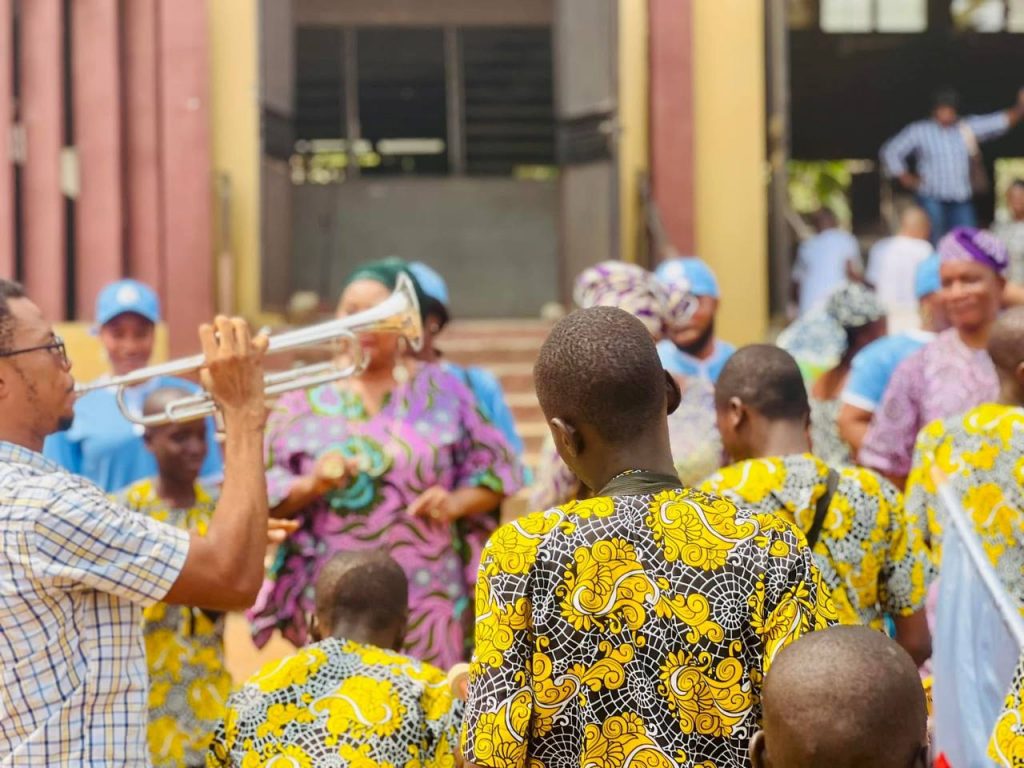
Interspersed throughout the proceedings, the Don Bosco Boys offered four presentations — including a welcome song, choreography, and cultural performances — reminding everyone present of who this gathering was truly for: the children themselves.
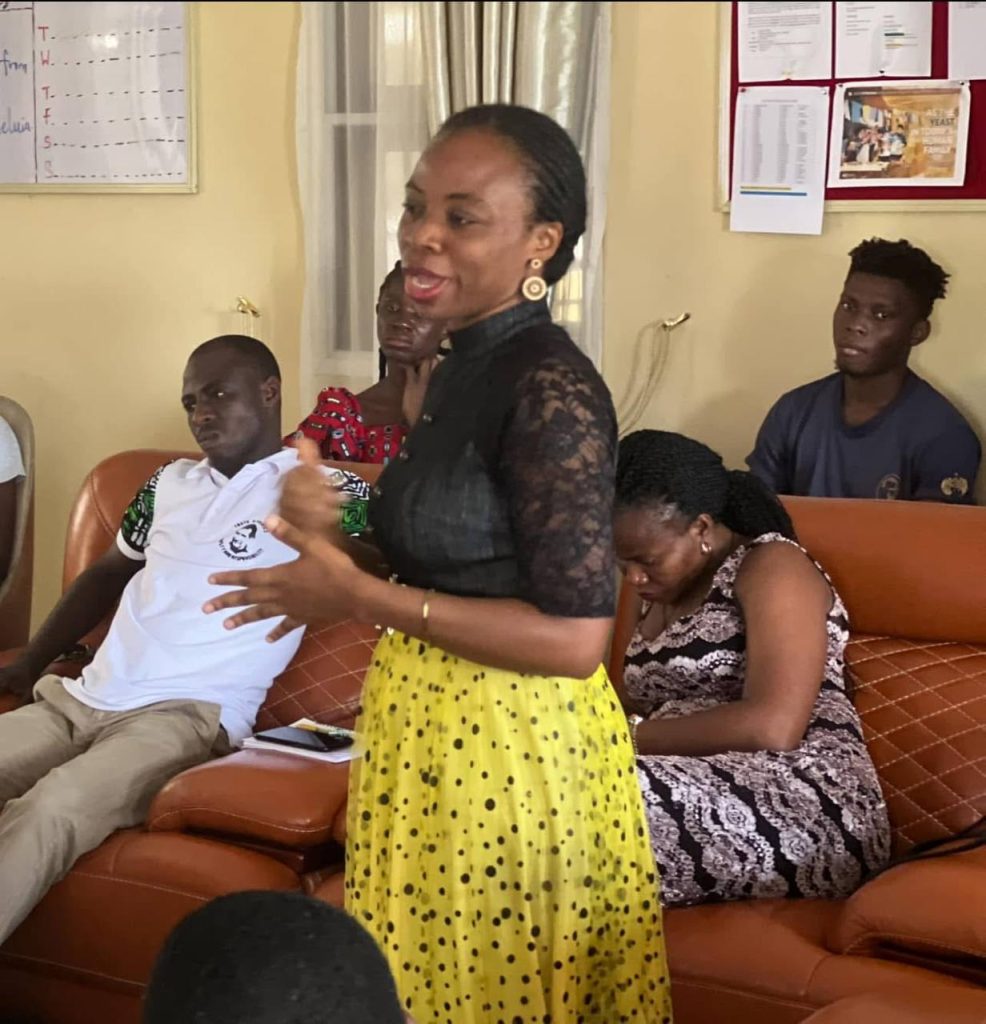
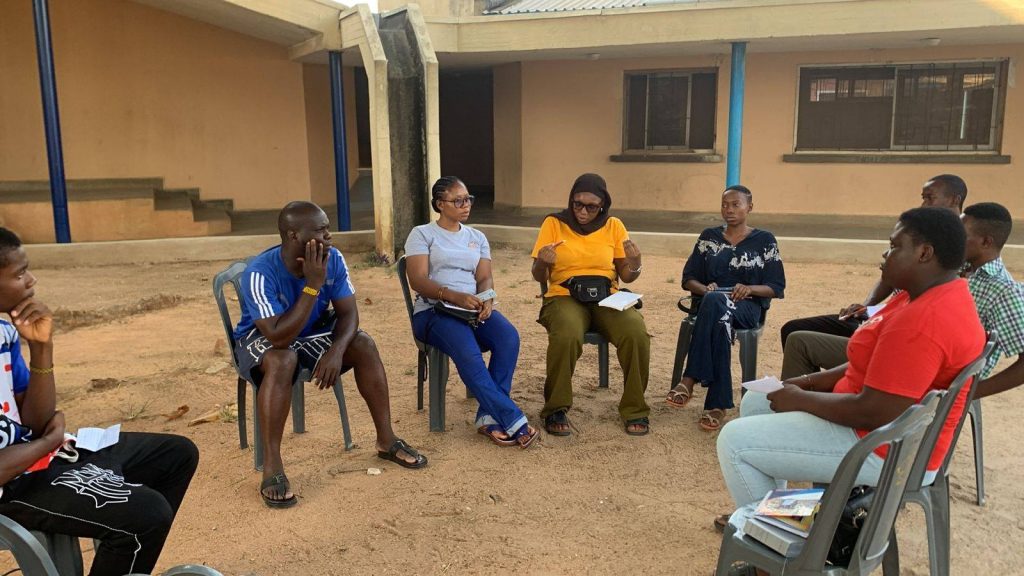
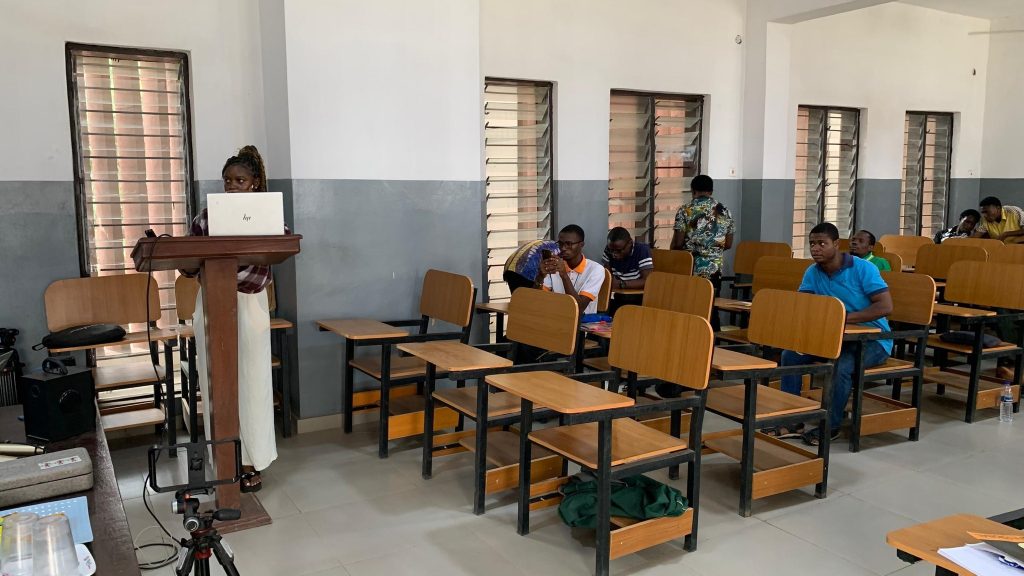
The roundtable sessions featured four speakers addressing themes of institutional response, community engagement, safeguarding frameworks, and reporting mechanisms. Interactive dialogue followed each presentation, with the open floor session allowing partner organisations to raise questions and forge shared commitments. The event concluded with the development of concrete action points — transforming dialogue into a roadmap for change.
A Full Week of Purpose
The roundtable was the centrepiece of a broader week-long programme of engagement, each day building toward the event’s most visible moment of witness.
April 8, 2026
Welcome of Volunteers
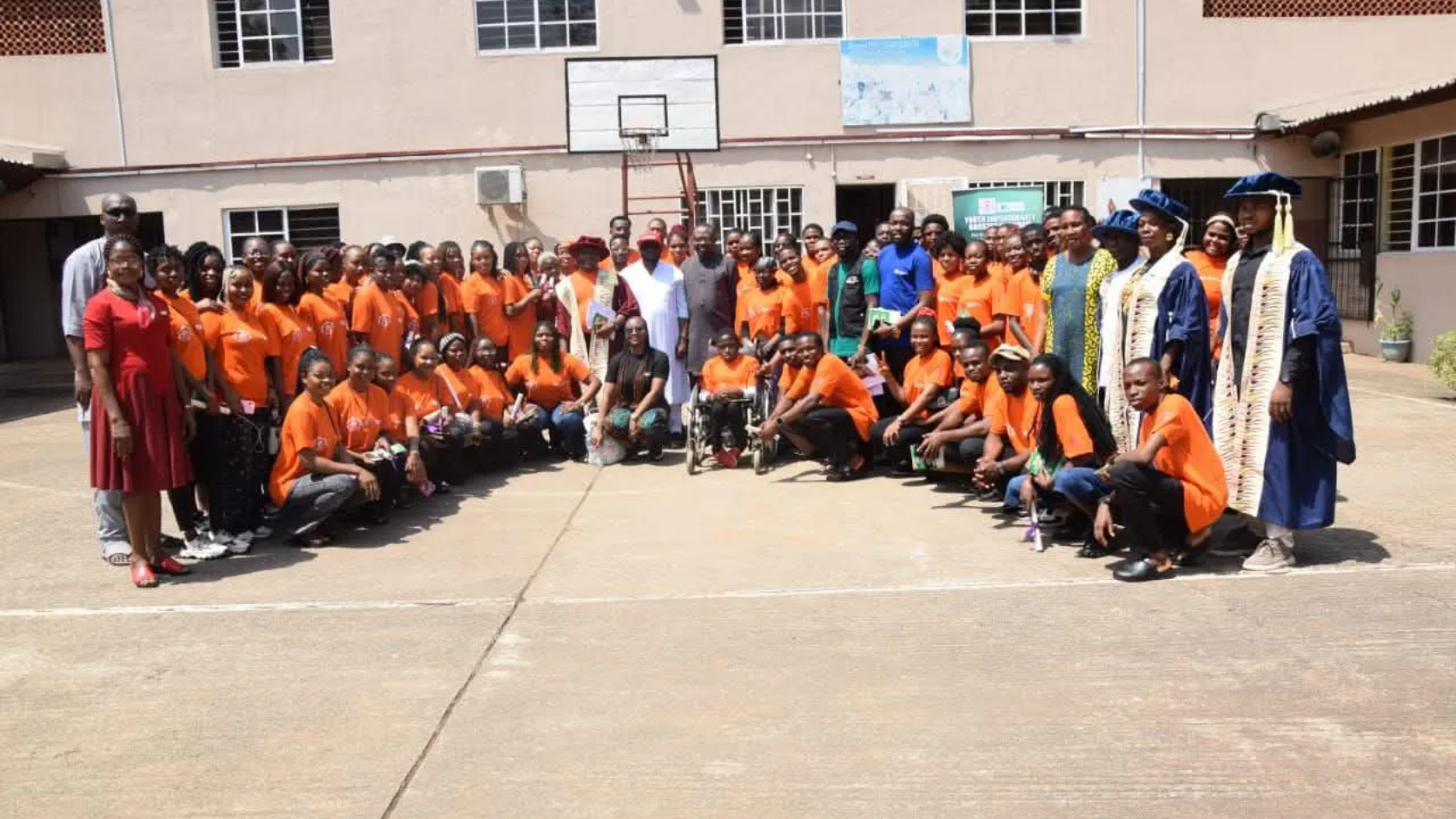
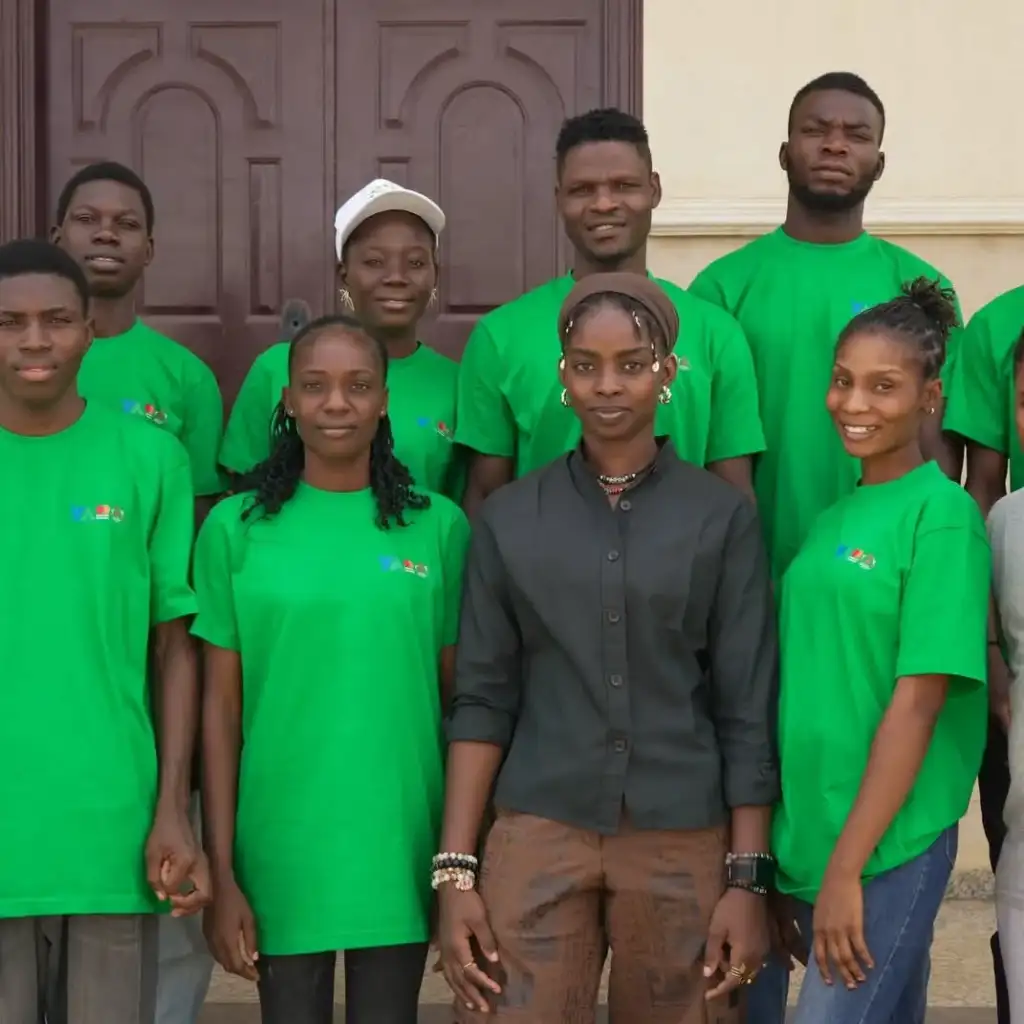
Animators Without Borders arrived at the centre, bringing international solidarity and additional capacity for the days ahead.
April 9, 2026 · Easter Thursday
Roundtable Discussion
The landmark multi-stakeholder forum held at the Youth Centre Hall, 9:00 AM — the heart of the week’s advocacy.
April 10, 2026 · Good Friday
Joint Preparation Meeting
Third-year confreres, BCPC staff, and volunteers gathered at the Youth Centre Hall to prepare for the Street Walk.
April 11, 2026
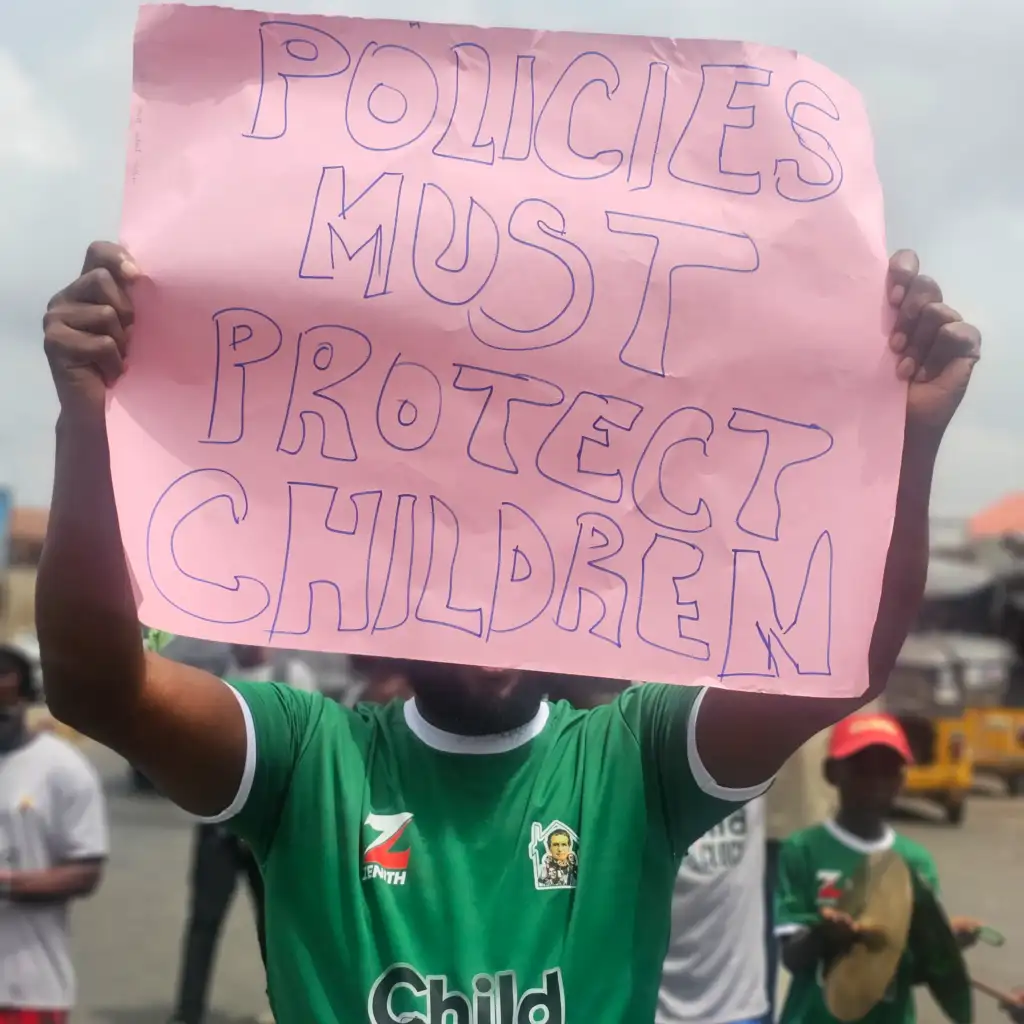
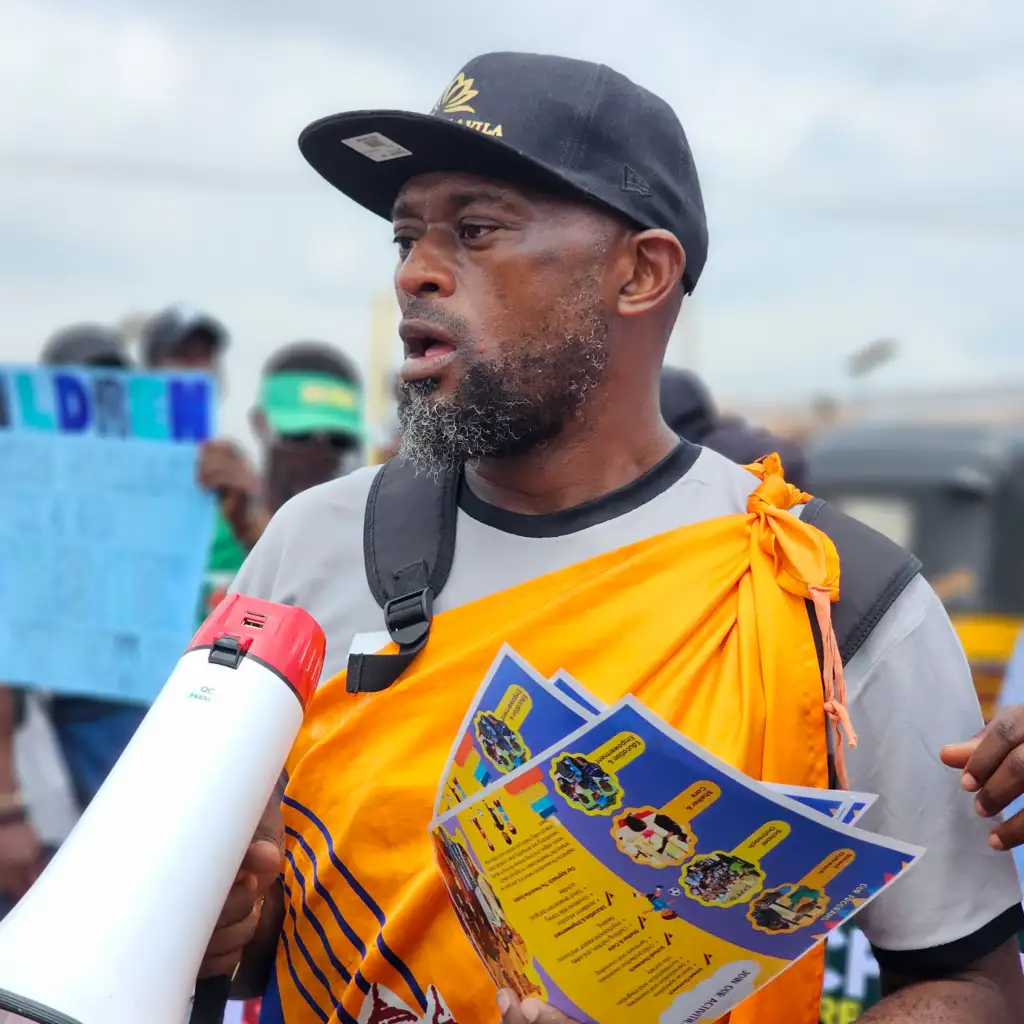
Street Walk
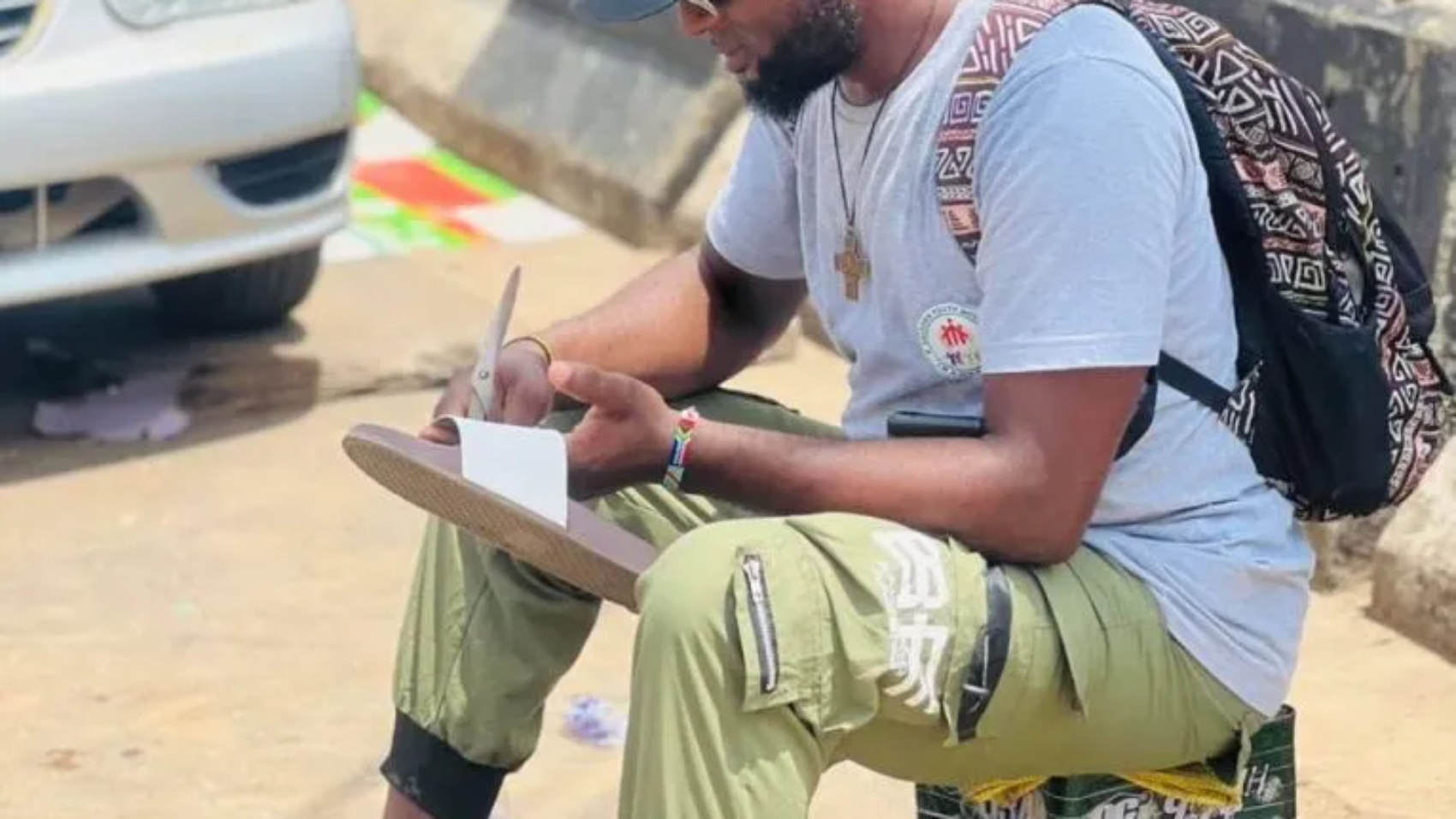
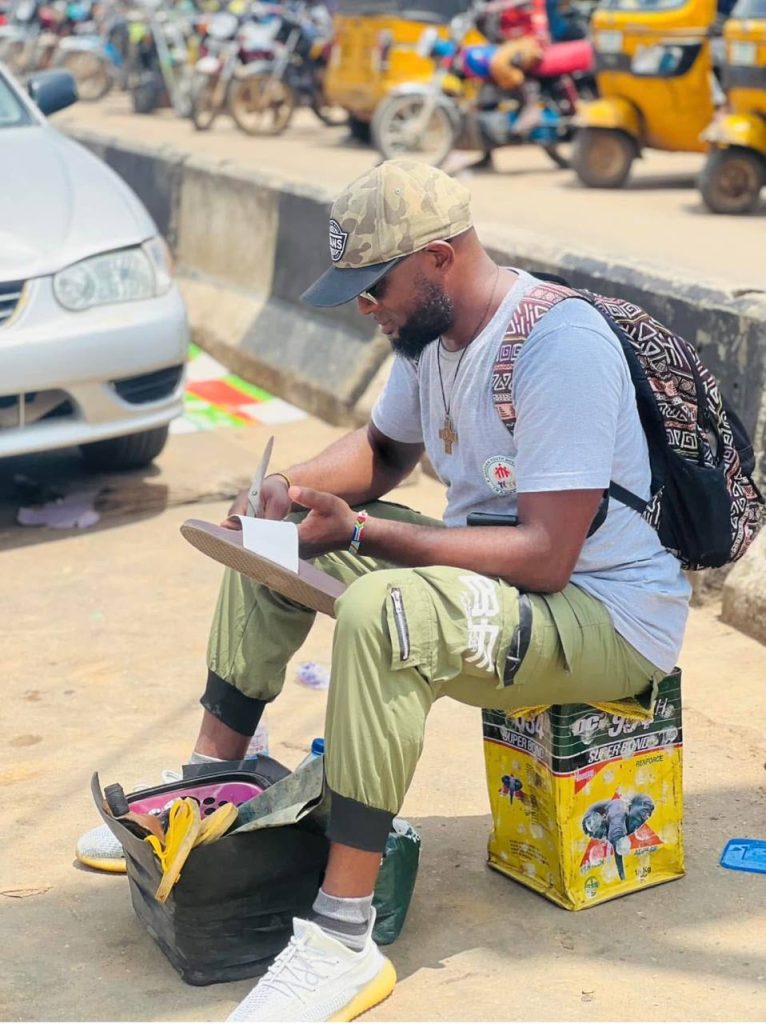
Beginning at 9:00 AM from Ibadan Gate and Mokola — the message of the week carried directly to the streets, meeting children where they are.
April 12, 2026
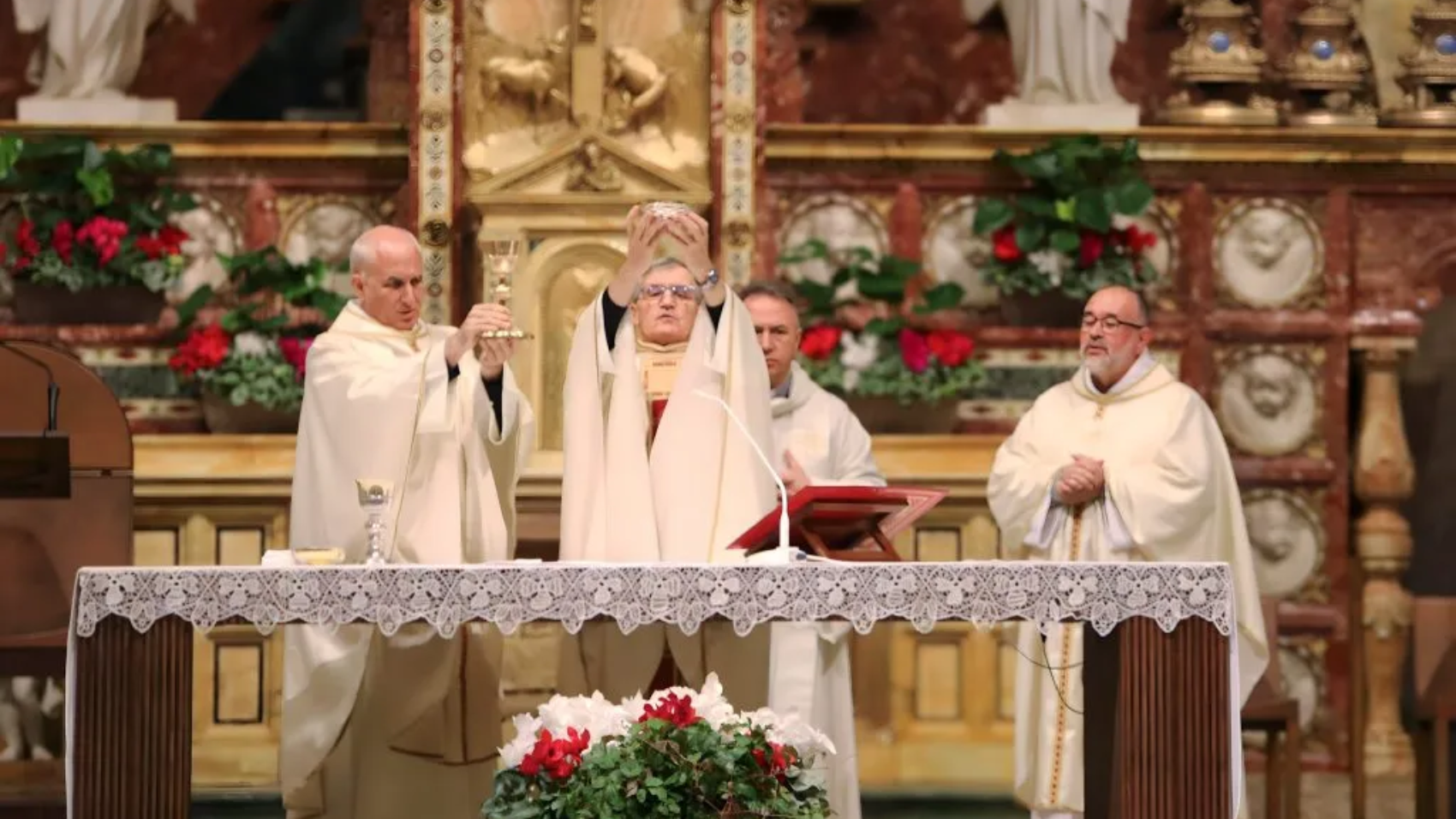
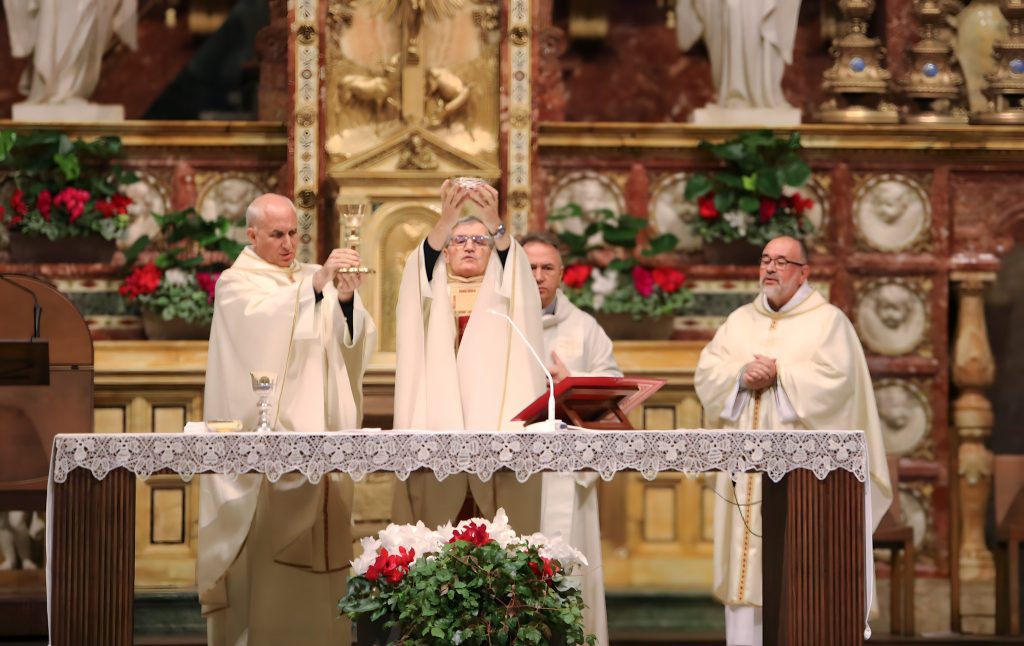
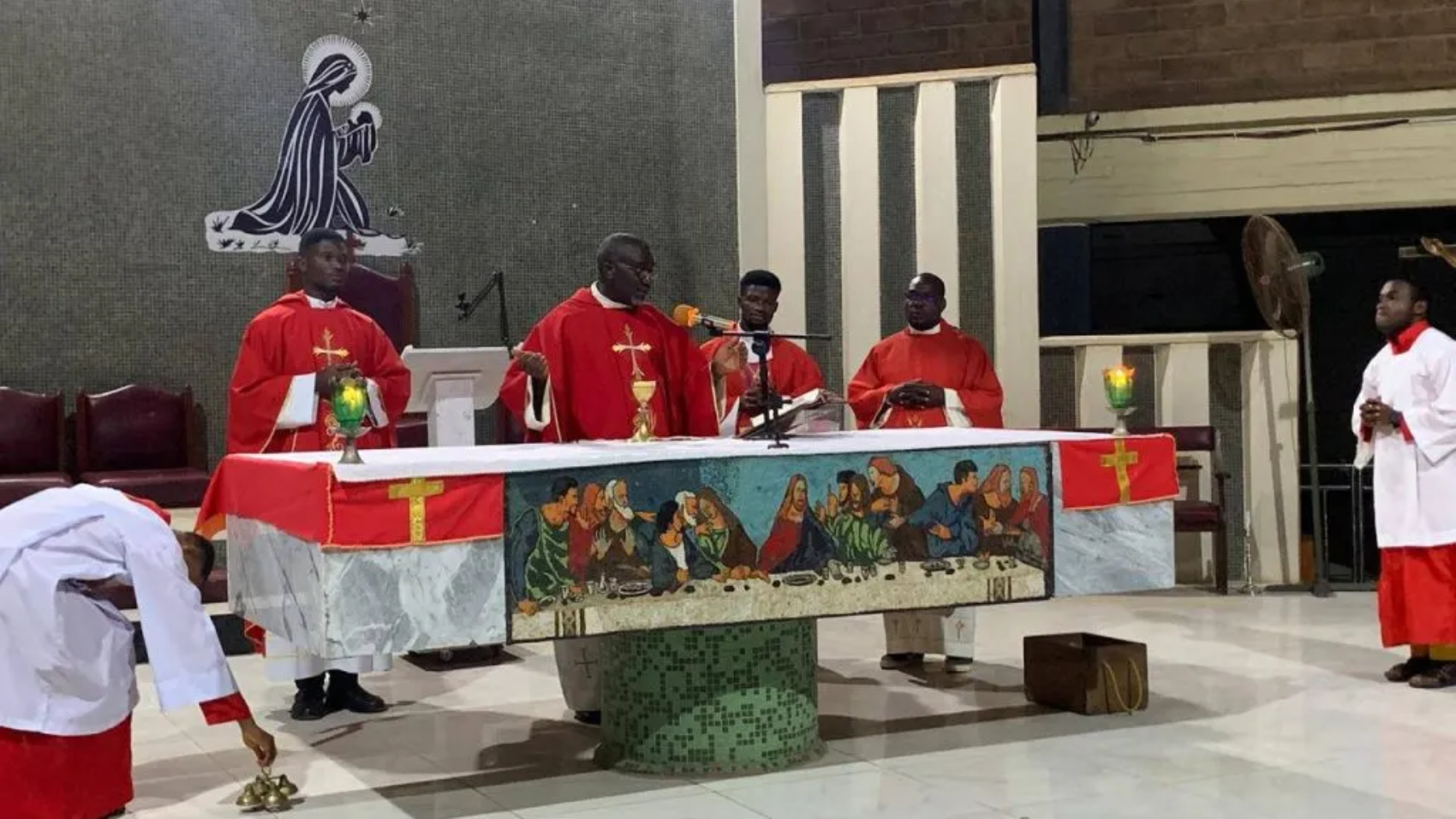
Holy Mass at St. Gabriel’s
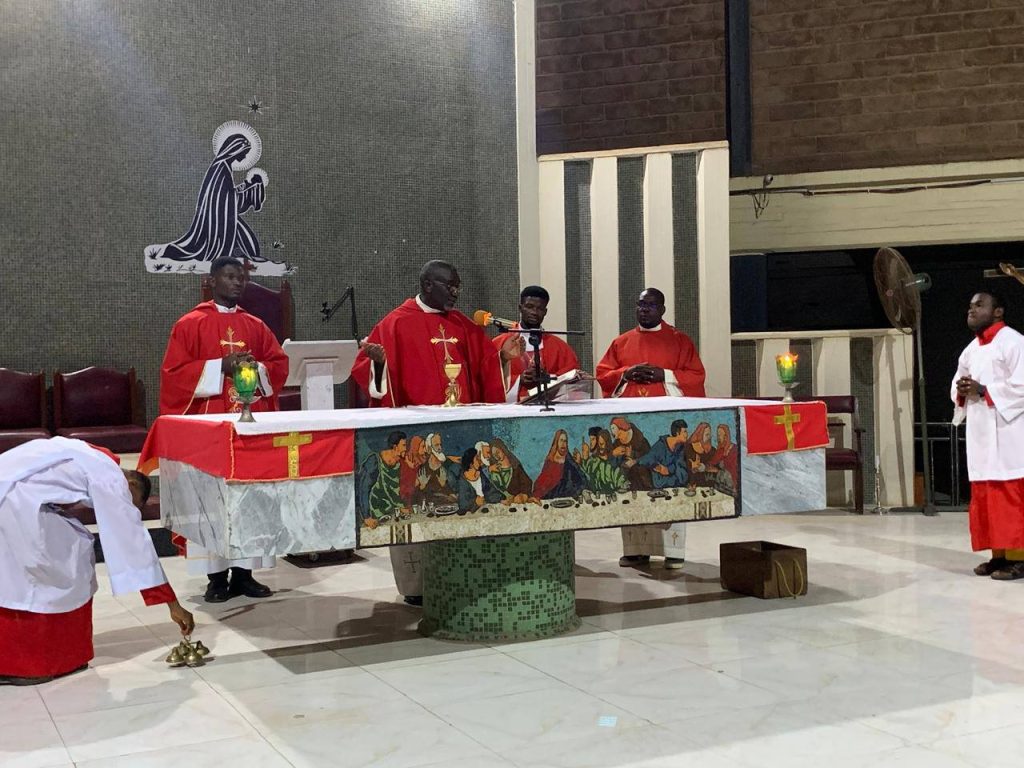
A closing Mass of thanksgiving and continued intercession — committing the week’s work to God and the children at the heart of this mission.
A Landmark Worth Acknowledging
Special acknowledgement is extended to Rev. Fr. Linus Onyenagubor, whose vision and coordination made this landmark event possible. In a nation where child protection frameworks are often underfunded and inconsistently enforced, gatherings like this one — which bring policy, community, and conscience to the same table — represent exactly the kind of intentional, multi-sector collaboration that sustainable change requires.