Remember that the Salesian Proper is used on the 22nd January(Blessed Laura Vicuna), 24th (Saint Francis de Sales), and 30th (BlessedBronislas Markiewicz)
In his message for the 60th World Day of Social Communications, Pope Leo XIV invites our parish community to reflect on the sacredness of the human face and voice. In an age where artificial intelligence can simulate how we look and sound, the Holy Father reminds us that our unique identities are gifts from God, created in His image and likeness. These features are not just data points; they are the heart of how we encounter one another in love and friendship.
While technology offers many new opportunities, the Pope gently warns us not to outsource our thinking or our relationships to machines. When we settle for “artificial” connections, we risk losing the effort and beauty of truly listening to one another. As a parish family, we are called to move beyond the “bubbles” of the internet to seek real, heart-to-heart encounters. By choosing to be present to our neighbors—listening with empathy and speaking with honesty—we witness to the dignity of the human person and ensure that our community remains a place of authentic communion and truth.
Key Quote: “Faces and voices are sacred. God, who created us in his image and likeness, gave them to us when he called us to life through the Word he addressed to us.” (paragraph 12)
Parish Application: We can live this message by prioritizing face-to-face moments in our ministries and ensuring our parish communications always lead us back to real-life encounters and service to one another.
Citation: Pope Leo XIV, World Communications Day Message 2026, paragraph 12
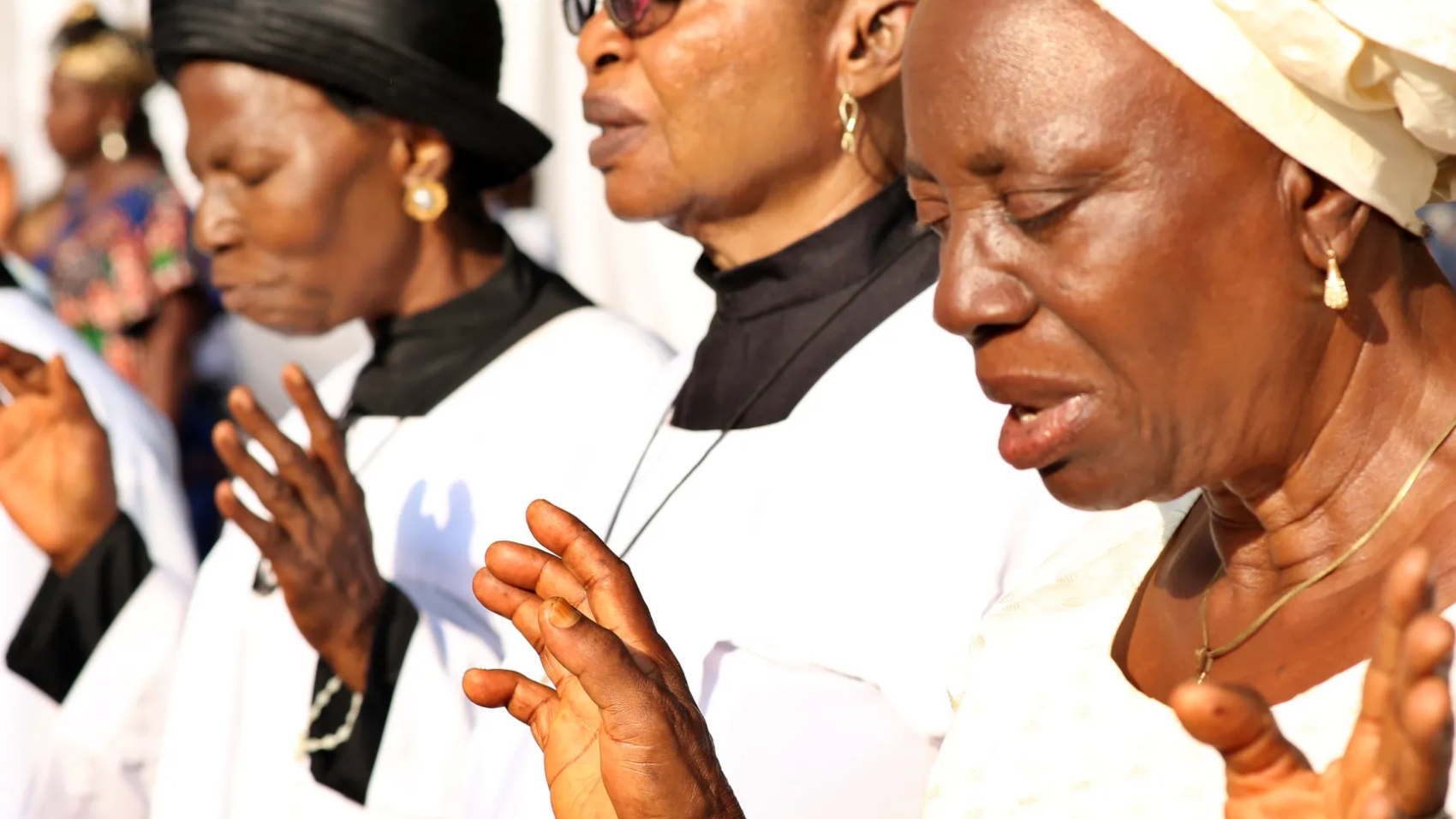
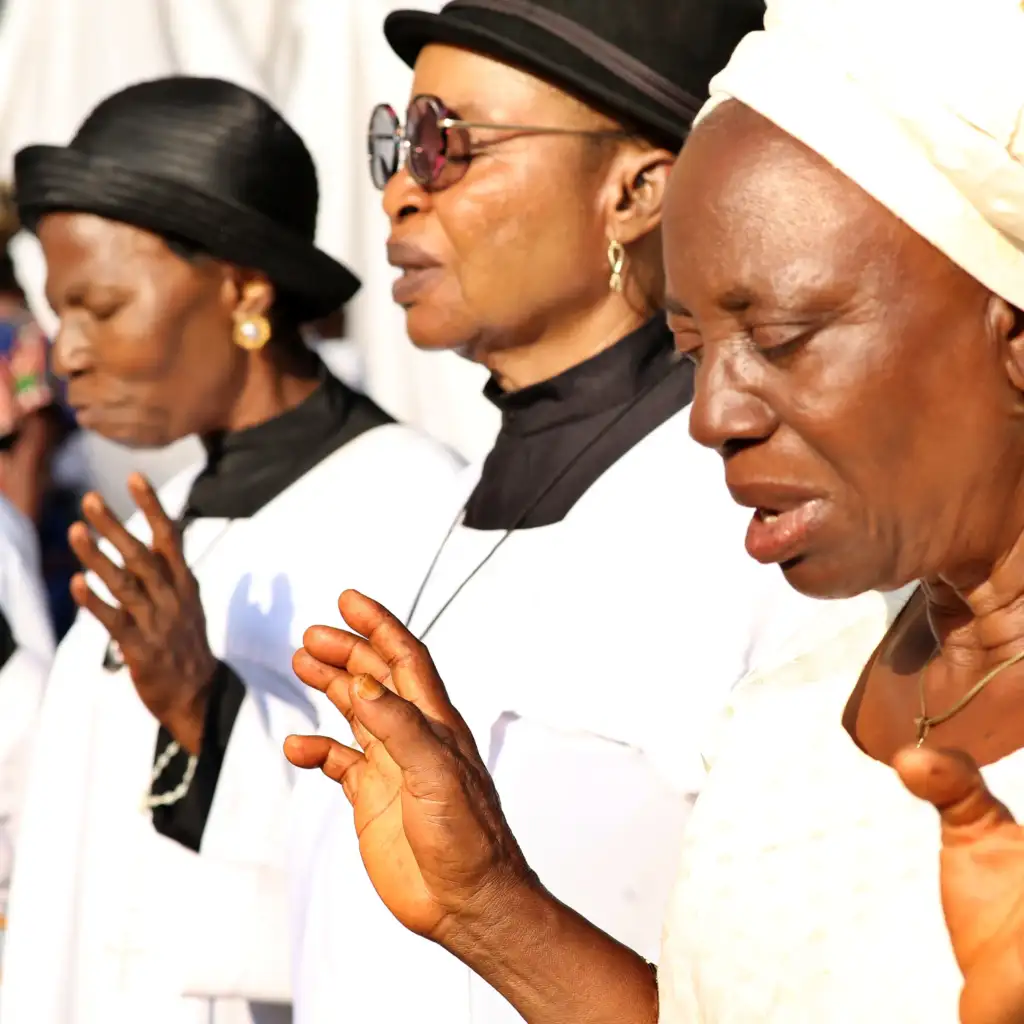
The Social Communication Department of ANN recently made a documentary on behalf of the Mission Department to commemorate the 150th anniversary of the missionary expedition of the first Salesians. This documentary-style interview, “Matriarchs Of The Mission: Becoming Catechists in the Spirit of Don Bosco,” follows the formation and commissioning of the first female catechists at the Marian Shrine, Akure: Catechist Victoria Oloba, Catechist Comfort Falusi, and Catechist Janet Kuduyo.
The video highlights their journey:
Early Beginnings and Inspiration
The catechists share how their Catholic upbringing and involvement in church activities, like being legionaries and Catholic teachers, inspired their path. They emphasize the impact of the Salesian style of teaching, especially its focus on young people, and their admiration for the Salesian priests, particularly the late Father Denso Marini.
Call to Catechesis and Training
The women recount how they were called to formalize their teaching roles by their parish priests, specifically late Father Vincenzo. They initially collaborated with the Salesians and were later sent for formal training at Okitupa training center, a process that involved learning church doctrine, sacraments, and general teachings.
Commissioning and Initial Reactions
Their commissioning as catechists was a significant day, described as a “graduation” and “convocation ceremony.” However, their new roles were met with mixed reactions, with some parishioners questioning if it was a suitable role for women.
Challenges Faced
They discuss the challenges, including a lack of acceptance from some male catechists and the surprise of many parishioners who were unaccustomed to female catechists. Some even mistook them for priests. They also mention dealing with envy and ignorance from others.
Impact and Balancing Life
Despite the challenges, they express joy in inspiring others, including priests, through their teachings. They discuss how they successfully balance their roles as catechists, mothers, and wives, ensuring their family responsibilities are met while serving the church. They also highlight their impact on resolving marital issues and fostering moral and cultural growth among both children and adults.
Vision for the Future and Challenges in Recruitment
The catechists emphasize their love for the youth and recount memorable experiences, such as a bicycle pilgrimage. They advise young people to view catechesis as a lifelong vocation and a calling to spread the gospel, much like Mother Mary. They express the challenge of recruiting younger women, who often cite issues like uniforms and time constraints. They are actively working to bring in new, younger faces, including young men and women, into the catechetical mission.