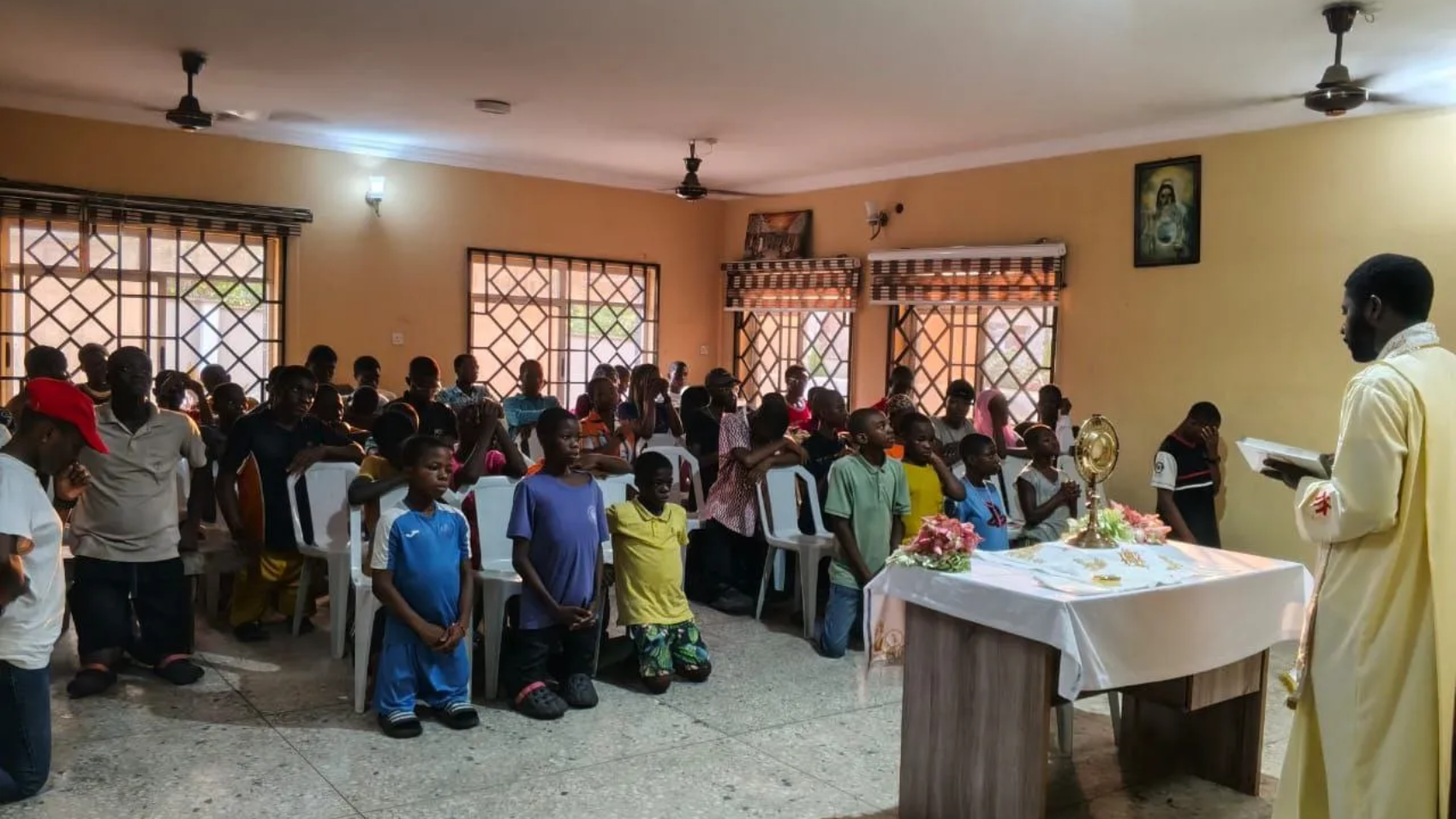
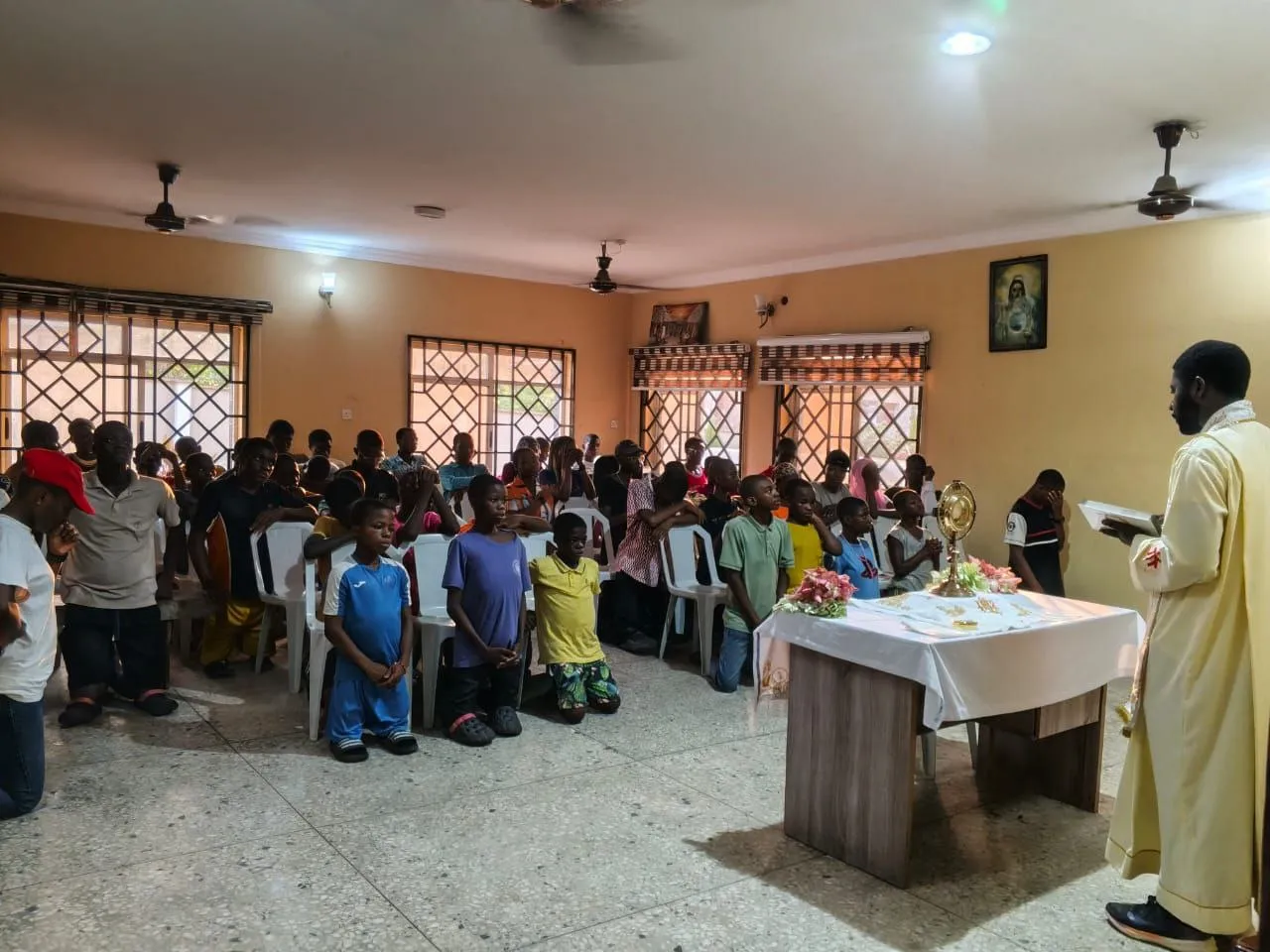
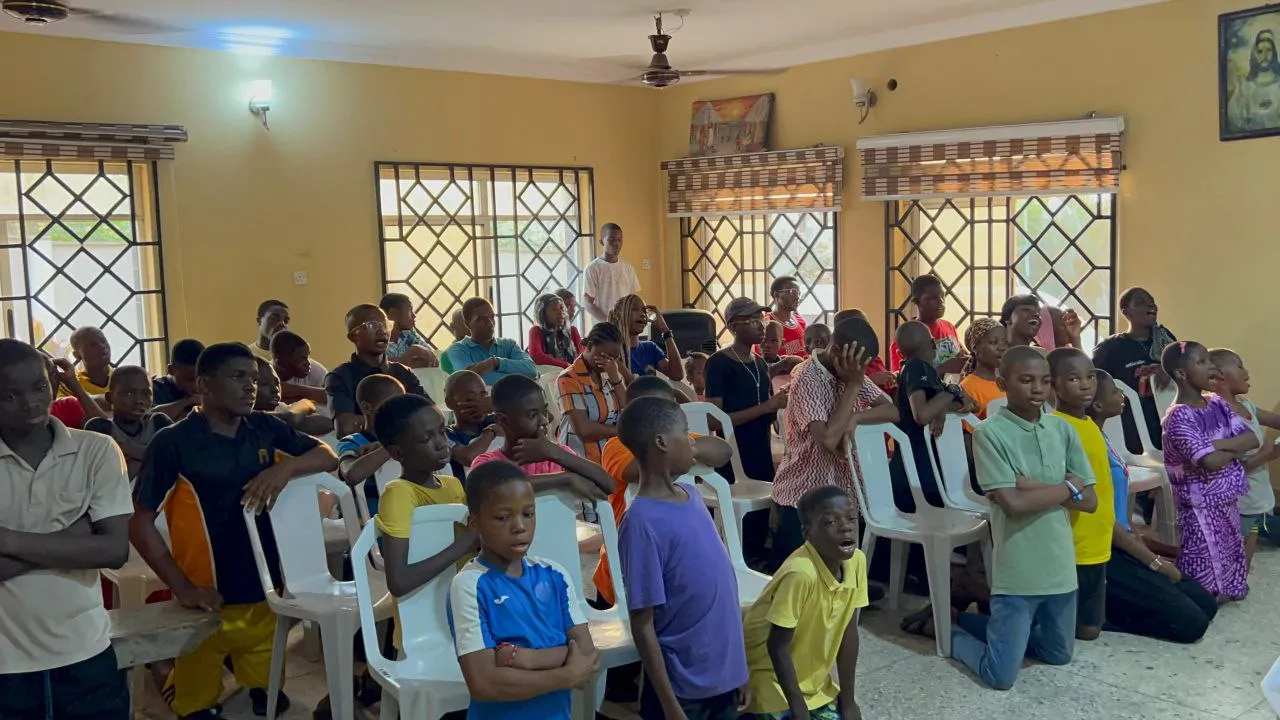
Lagos- Onipetesi – The Bld. Ceferino Namuncurá Community, Onipetesi, through its Youth Centre, successfully held its Monthly Eucharistic Adoration with Young People yesterday, in an atmosphere marked by prayer, learning, and joyful fellowship.
The programme also formed part of Day Four of the Novena in preparation for the Feast of Saint John Bosco, bringing the young people into deeper spiritual communion with the Salesian tradition. In addition, a catechetical session on the Holy Trinity was conducted, offering participants an opportunity to deepen their understanding of this central mystery of the Christian faith.
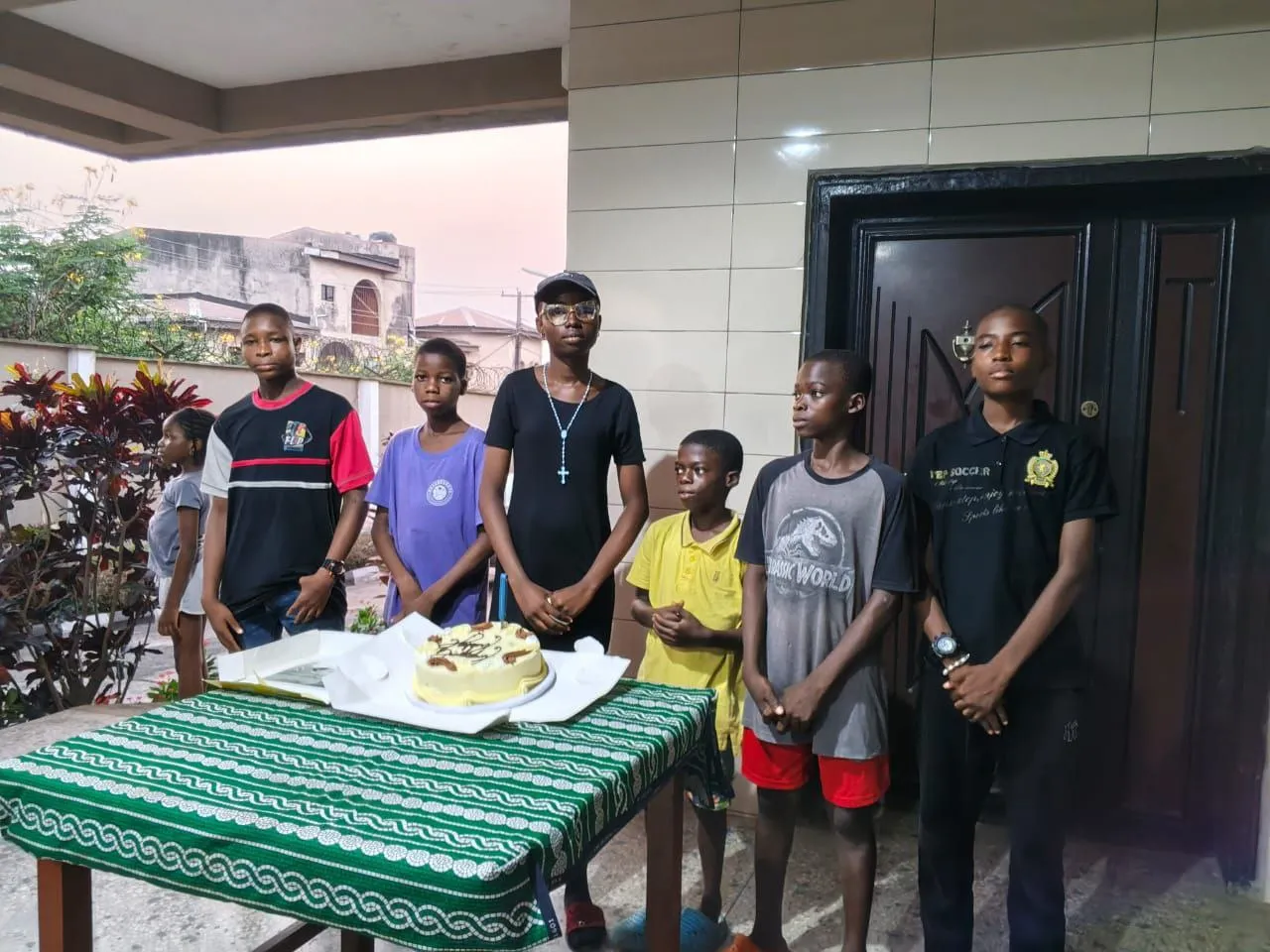
The gathering concluded on a joyful note with a celebration for members born in December and January, who were warmly feted with songs, good wishes, and the sharing of a celebratory cake. The event reflected the community’s commitment to holistic youth formation, integrating faith, learning, and fraternity.
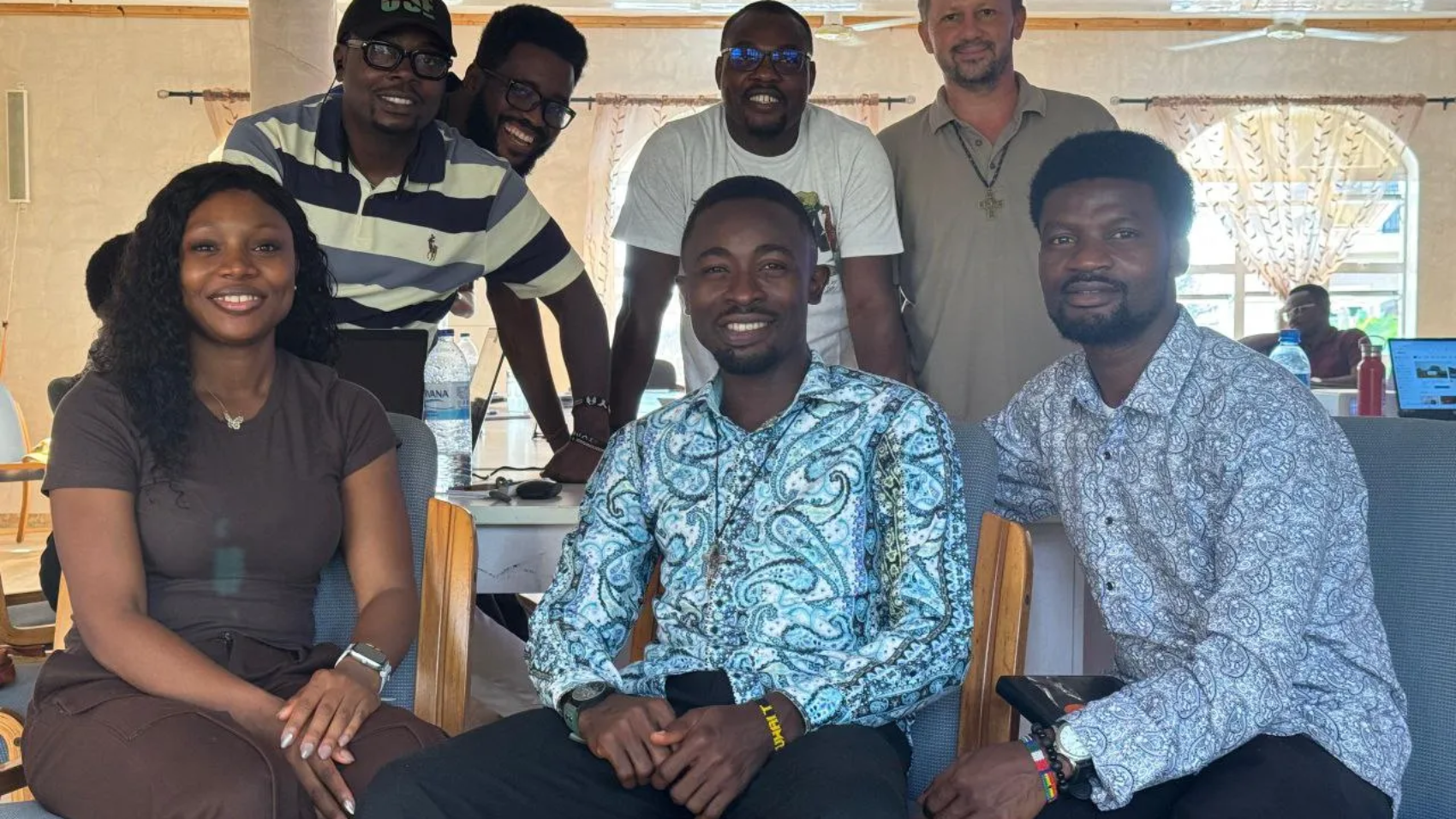
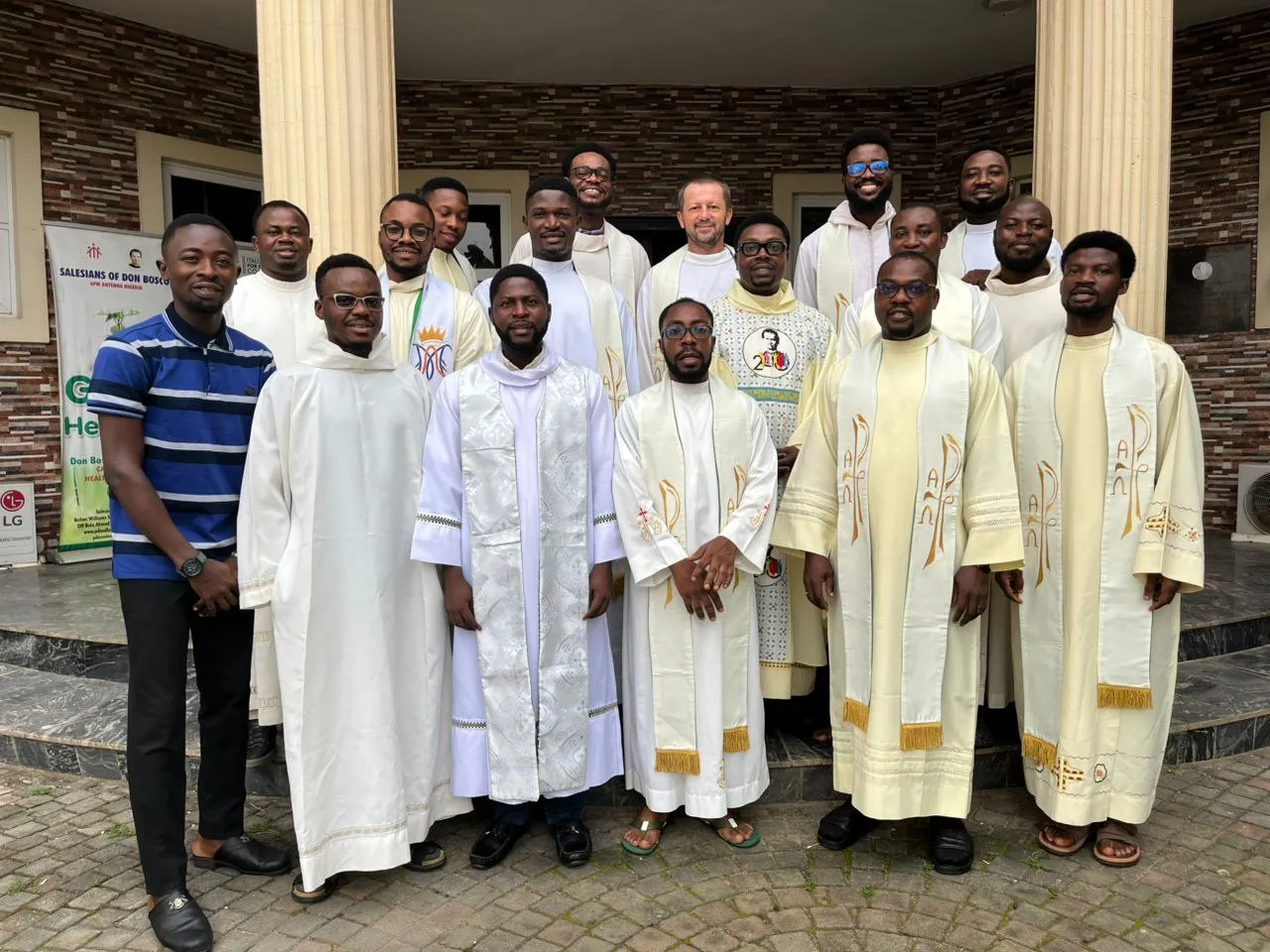
Africa Nigeria- Niger Province- The Youth Coordinators and Youth Ministry Commission Meeting of the Salesians of Don Bosco, Africa Nigeria–Niger Province, was held from 18th to 23rd January 2026 at the Provincial House, Iju, Lagos, under the theme “Do Whatever He Tells You.” The meeting was organized by the Youth Ministry Sector to strengthen formation, leadership, coordination, and collaboration in provincial youth ministry.
All Youth Coordinators of the province were in attendance, except those from Niger Republic. Also present were Mr. Anthony Ogunsusi and Mrs. Faith Onwubuya (Youth Ministry), Fr. Daniel Omatu (Formation Department), Fr. Linus (National Coordinator, Social Services), and Fr. Peter Gbertyo (Regional Coordinator, Social Services).
Facilitation was provided by Fr. Rafael Benajardo, General Councillor for Youth Ministry; Fr. Jerry (Youth Ministry Office, Rome); Rev. Fr. Peter Wojnarowski (Don Bosco Fambul, Sierra Leone); Dr. (Mrs.) Olotu, professional counsellor; Mr. Cletus Etukanpan (TVET); staff of the Provincial Development Office (PDO); The Vice Provincial, Rev. Fr. James Ailen; Fr. Matthew Idoko; and Fr. Omoniyi Stephen, Provincial Councillor for Salesian Mission.
The programme consisted of focused formation sessions, workshops, meetings, and sharing moments addressing moral and spiritual formation, leadership development, safeguarding, and effective youth accompaniment. The meeting was well-coordinated, participatory, and impactful, reinforcing provincial youth ministry priorities, strengthening collaboration, and renewing commitment to the Salesian mission of serving young people.
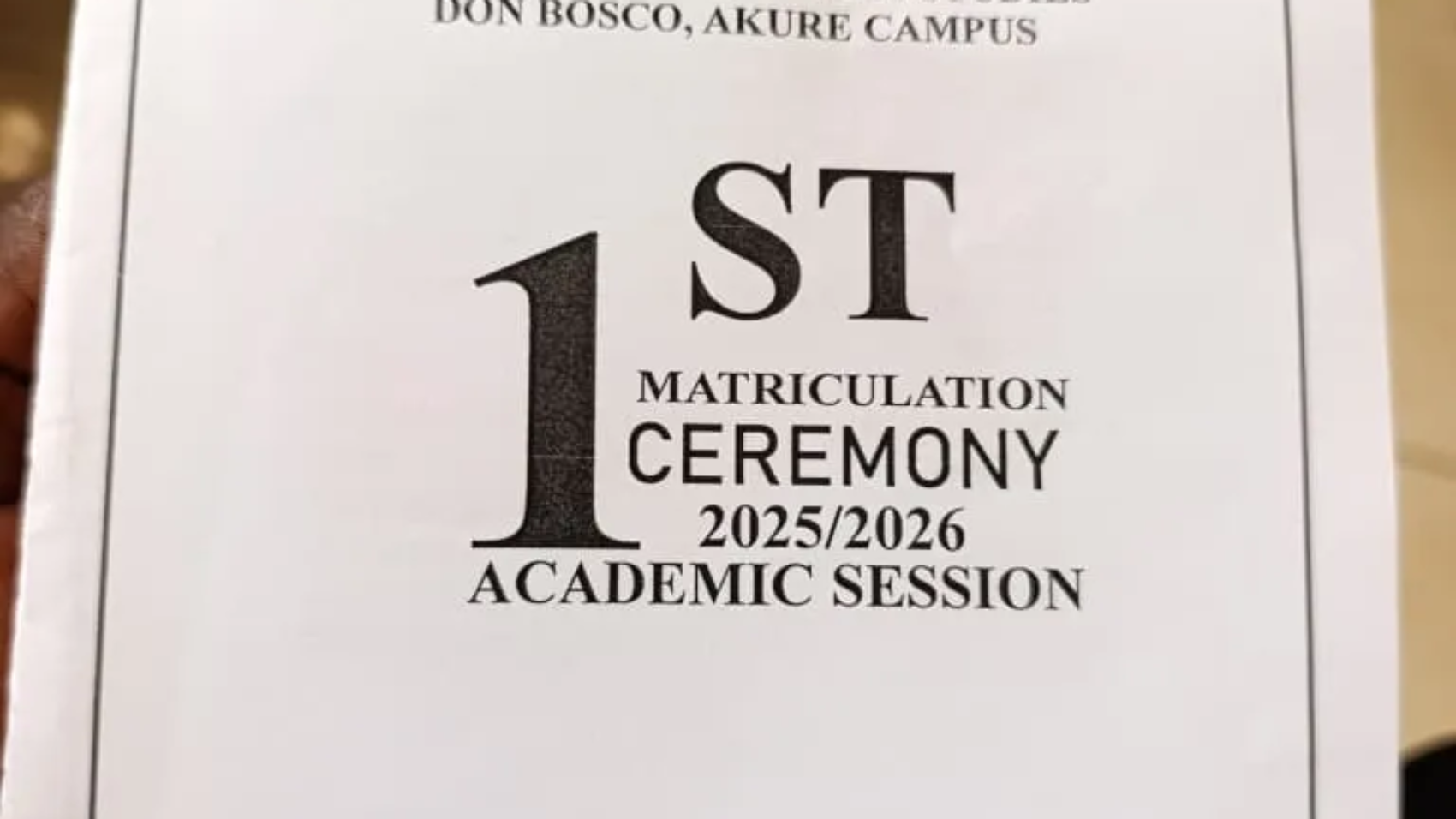
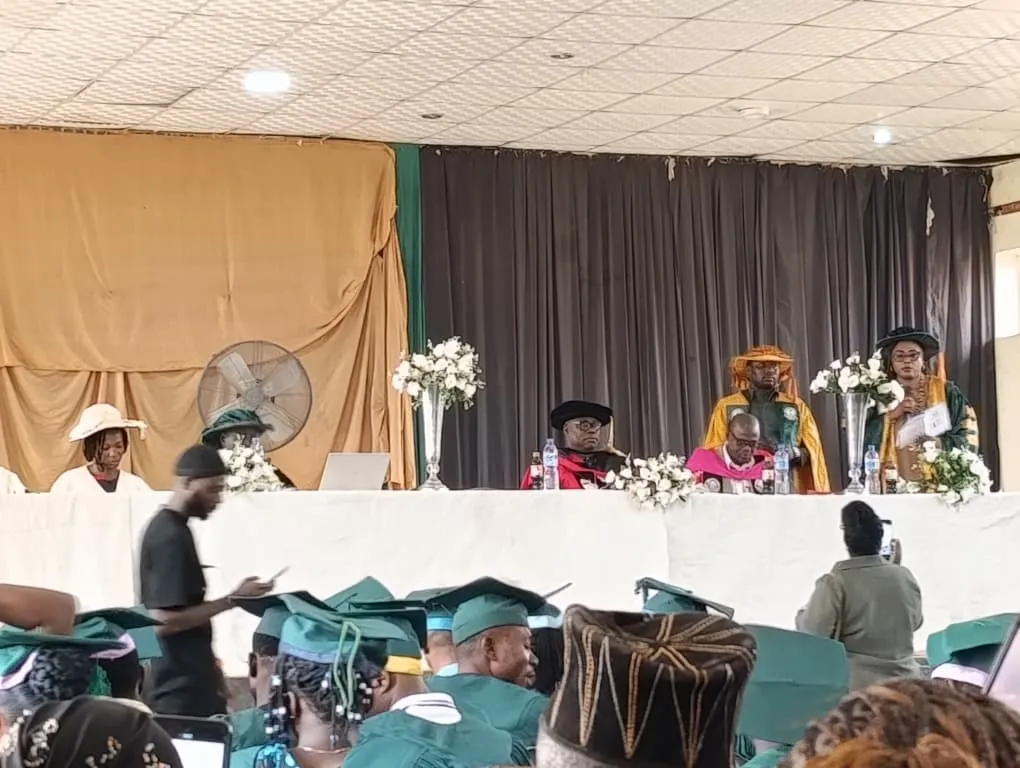
NIGERIA – Akure, Mary Help of Christians- Today marks a significant milestone for the Federal University of Oye Ekiti (FUOYE) as it holds the matriculation ceremony for the pioneer students of its newly established part-time study centre in Akure. The ceremony is taking place at the Oratory of Don Bosco, located within the Mary Help of Christians Parish, Akure.
The opening of this study centre reflects FUOYE’s commitment to expanding access to higher education by bringing university programmes closer to working adults and other learners seeking flexible study options. Through this collaboration, the Don Bosco Oratory provides a conducive academic and moral environment rooted in the Salesian tradition of education, which emphasizes discipline, responsibility, and holistic formation.
The matriculation ceremony formally welcomes the first cohort of students into the FUOYE academic community at this centre. University officials, parish representatives, lecturers, students, and invited guests are present to witness this historic occasion, which signals the beginning of academic life for the new intake.
With this development, the Akure part-time study centre is set to become an important hub for lifelong learning in Ondo State, offering students the opportunity to pursue quality university education while balancing work, family, and other commitments.
In his message for the 60th World Day of Social Communications, Pope Leo XIV invites our parish community to reflect on the sacredness of the human face and voice. In an age where artificial intelligence can simulate how we look and sound, the Holy Father reminds us that our unique identities are gifts from God, created in His image and likeness. These features are not just data points; they are the heart of how we encounter one another in love and friendship.
While technology offers many new opportunities, the Pope gently warns us not to outsource our thinking or our relationships to machines. When we settle for “artificial” connections, we risk losing the effort and beauty of truly listening to one another. As a parish family, we are called to move beyond the “bubbles” of the internet to seek real, heart-to-heart encounters. By choosing to be present to our neighbors—listening with empathy and speaking with honesty—we witness to the dignity of the human person and ensure that our community remains a place of authentic communion and truth.
Key Quote: “Faces and voices are sacred. God, who created us in his image and likeness, gave them to us when he called us to life through the Word he addressed to us.” (paragraph 12)
Parish Application: We can live this message by prioritizing face-to-face moments in our ministries and ensuring our parish communications always lead us back to real-life encounters and service to one another.
Citation: Pope Leo XIV, World Communications Day Message 2026, paragraph 12
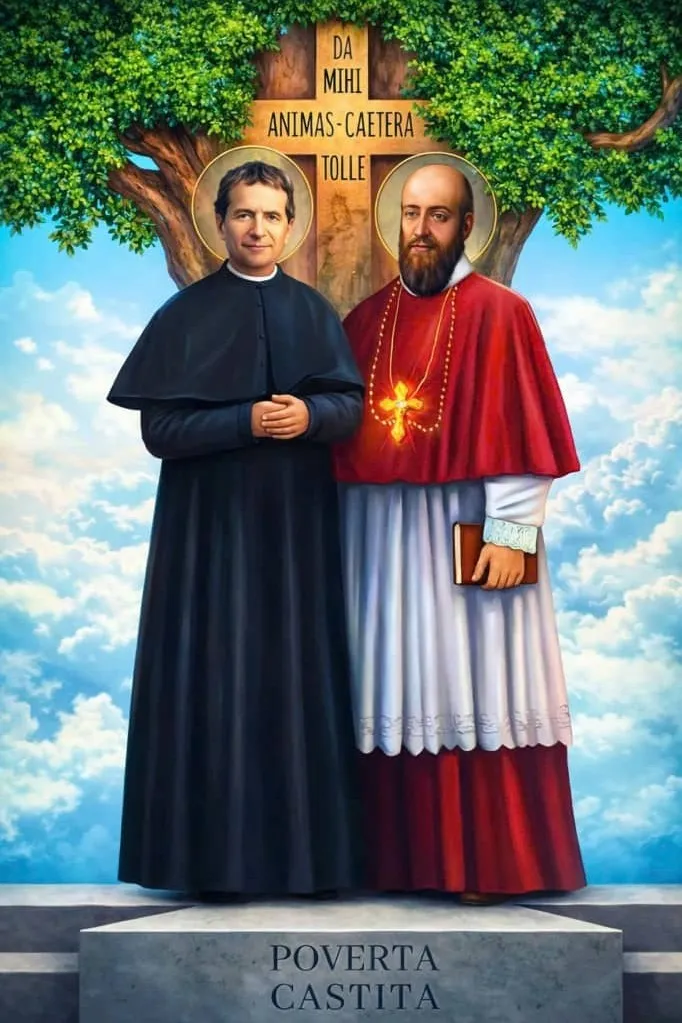
Don Bosco did not merely admire Saint Francis de Sales; he incarnated his spirituality in a concrete educational and pastoral method. The Salesian style of gentleness, optimism, joy, and pastoral charity is a living continuation of the spirituality of Saint Francis de Sales.
1. Choice of Patron: Gentleness as a Spiritual Program
Don Bosco deliberately chose Saint Francis de Sales as the patron of his Congregation because of his spirituality of gentleness, patience, and pastoral charity. Francis de Sales proposed holiness not through severity, but through meekness and kindness, a style Don Bosco considered essential for working with young people.
Source: Morand Wirth, Saint Francis de Sales: A Program of Integral Formation.
2. “Nothing by Force”: Meekness at the Heart of Pastoral Action
Francis de Sales taught that hearts are won through love, not coercion. Don Bosco adopted this principle fully, shaping his Preventive System, which avoids punishment and repression and emphasizes trust, dialogue, and affection (amorevolezza).
Source: Pietro Braido, Prevention, Not Repression.
Saint Francis de Sales taught that holiness is possible in every state of life, through fidelity to daily duties and ordinary charity. Don Bosco translated this into a youth context, teaching that holiness consists in joy, responsibility, and daily faithfulness, not extraordinary penances.
Source: Francis Desramaut, One Hundred Keywords of Salesian Spirituality.
Francis de Sales had a profoundly optimistic view of the human person, trusting the action of grace even in weakness. Don Bosco inherited this optimism, always believing in the educability and goodness of young people, especially the poorest and most difficult.
Source: Morand Wirth, Don Bosco and the Salesians.
At the core of Francis de Sales’ spirituality is pastoral charity—a love that adapts itself to the other. Don Bosco made this the heart of Salesian identity: to be “signs and bearers of God’s love to the young”, especially through presence, kindness, and personal accompaniment.
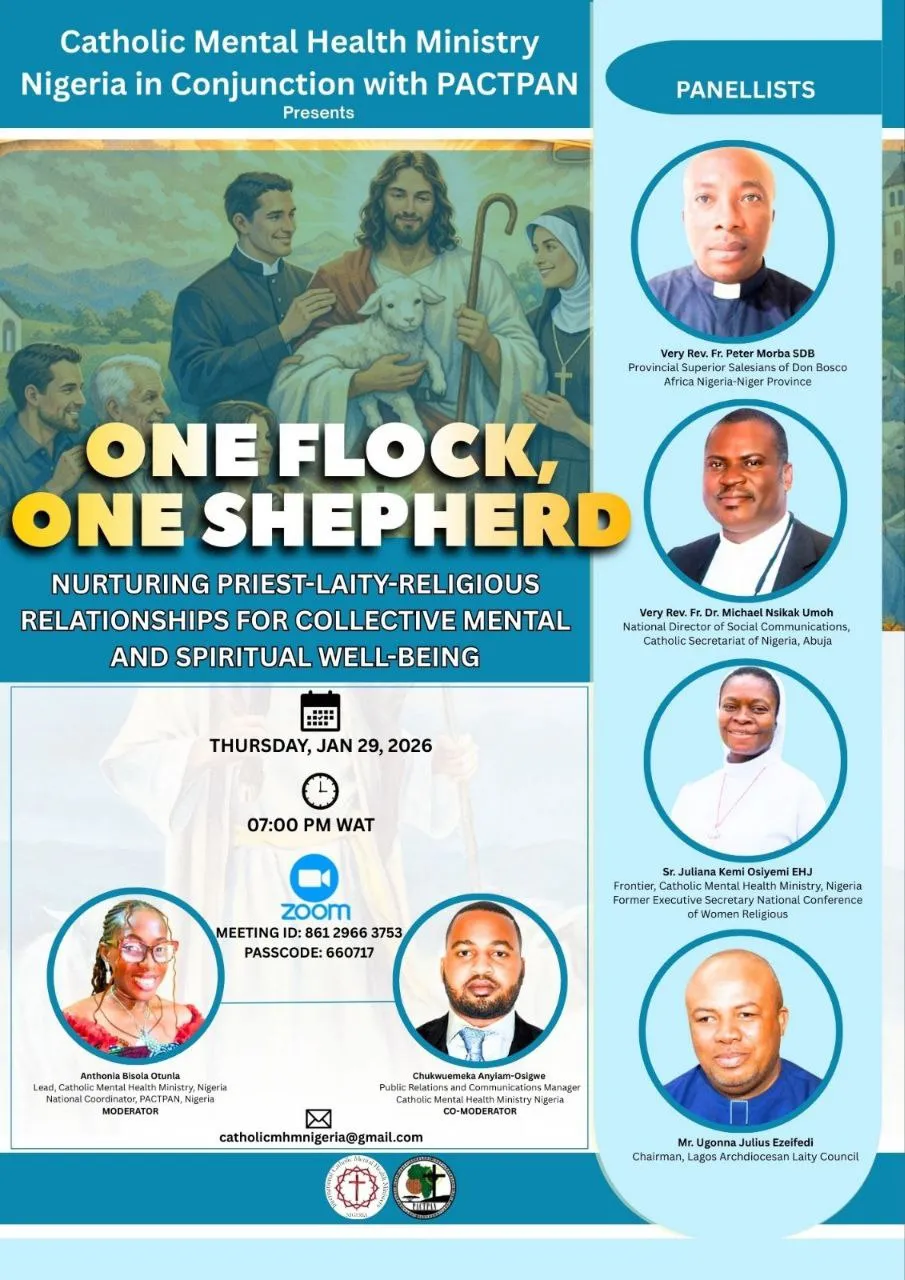
Strong relationships are the bedrock of a thriving Church. Yet, stress within our priest-laity-religious dynamics can silently erode our collective spiritual and mental well-being.
Is your parish community feeling the strain? How can priests, religious and the laity better support each other’s mental and spiritual health?
You’re invited to a vital conversation: “One Flock, One Shepherd.” This is more than a talk, it’s a national dialogue for healing and unity within the Church.
Hosted by Catholic Mental Health Ministry Nigeria & Pan-African Catholic Theology Network.
🎤 Hear from leading voices. 💡 Share in seeking solutions. 🙏 Pray for a stronger community.
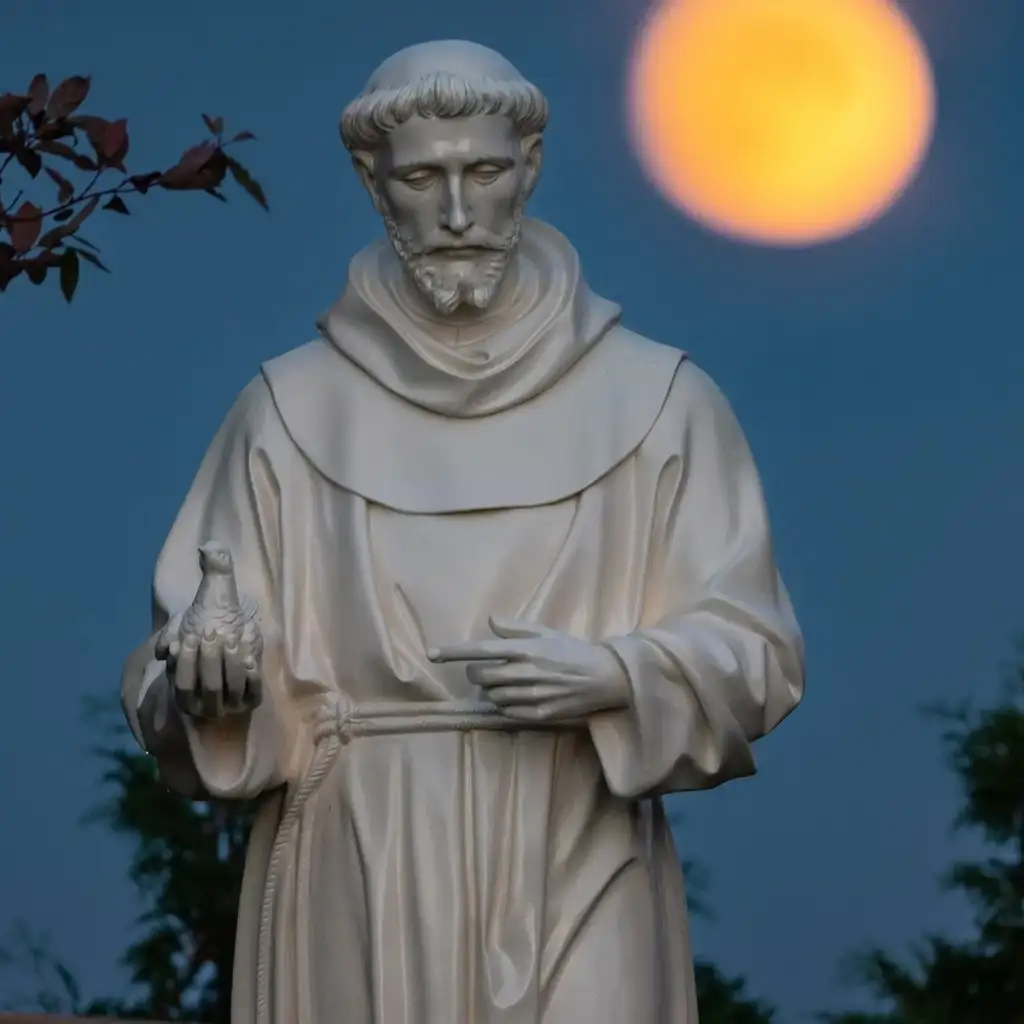
A hunter’s moon rises behind a statue of St. Francis of Assisi on the grounds of the National Shrine of Our Lady of Champion in Champion, Wis., Oct 8, 2022. (OSV News photo/Sam Lucero, CNS)
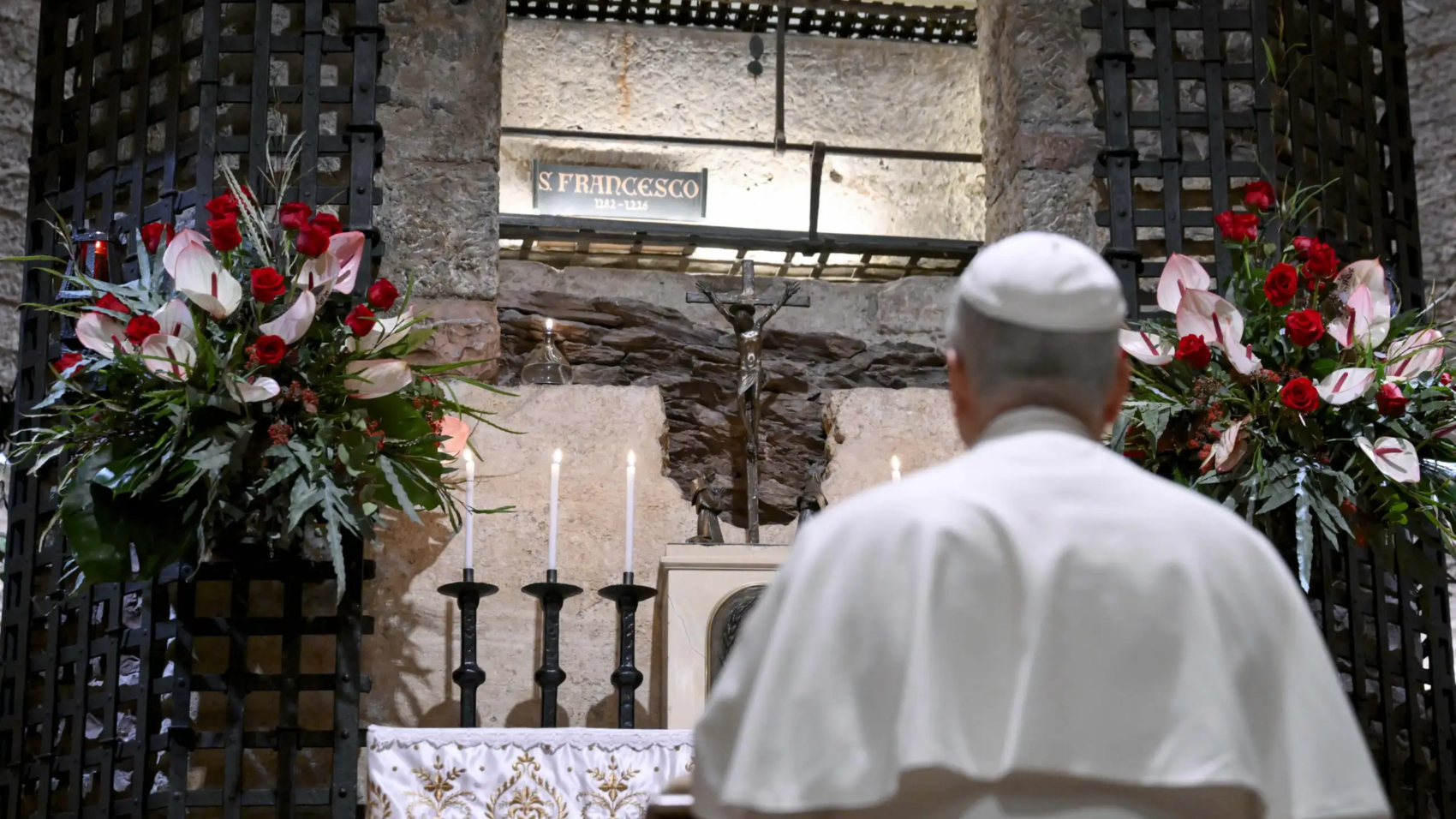
VATICAN CITY – In a decree that bridges the universal Church’s recent Holy Year with the enduring legacy of the “Poverello,” His Holiness Pope Leo XIV has officially proclaimed a Special Year of St Francis, running from January 10, 2026, to January 10, 2027.
The proclamation, marking the 8th centenary of the Transitus (passage from earthly life to heaven) of St. Francis of Assisi, invites the faithful worldwide to a “year of grace” focused on peace, poverty, and reconciliation. The decree was issued by the Apostolic Penitentiary and is accompanied by a personal letter from the Pontiff addressed to the Franciscan Family.
“St Francis continues to speak to this era marked by wars and division,” Pope Leo XIV wrote. “Not because he offers technical solutions, but because his life points to the authentic source of peace—Christ Himself.”
Spiritual Benefits and Indulgences
The Holy Father has granted specific spiritual privileges to encourage the faithful to participate fully in this Jubilee. The decree outlines the following benefits for the Church:
Plenary Indulgence for Pilgrims
A Plenary Indulgence is granted to all faithful who, under the usual conditions (sacramental Confession, Eucharistic Communion, and prayer for the intentions of the Supreme Pontiff), make a pilgrimage to any Franciscan church or holy place dedicated to St. Francis anywhere in the world. There, they must devoutly participate in a jubilee rite or spend time in pious meditation, concluding with the Lord’s Prayer, the Creed, and invocations to the Blessed Virgin Mary and St Francis.
Grace for the Sick and Homebound
The elderly, the sick, and all those who, for a grave cause, are unable to leave their homes may equally obtain the Plenary Indulgence. They are required to join spiritually in the Jubilee celebrations, offering their prayers and sufferings to the Merciful God, while having the intention to fulfil the usual conditions as soon as possible.
A Call to “Disarming” Peace
Beyond the remission of temporal punishment, the Pope underlines a communal spiritual benefit: the grace to become “unarmed and disarming witnesses of peace”. The Jubilee is envisioned as a school of reconciliation where the faithful can heal relationships with God, with their neighbours, and with creation.
Renewal of Evangelical Poverty
The year is set apart as a time for “authentic spiritual renewal”, challenging Christians to detach from the “spirit of the world” and rediscover the joy of the Gospel. The Pope exhorts the faithful to look to St Francis not merely as a historical figure, but as a living model of how to shape one’s life entirely on Christ. The Jubilee Year officially opened on Saturday, January 10, with a solemn celebration at the Basilica of Santa Maria degli Angeli in Assisi, the site of the Porziuncola and the place where St Francis died in 1226.
To obtain the Plenary Indulgence for the Year of St Francis, the decree usually requires visiting a church dedicated to St Francis of Assisi. In Nigeria, any Catholic church dedicated to St Francis of Assisi can be an appropriate place to make the pilgrimage to. For instance, in Ondo Diocese, we have St Francis Catholic Church, Oke-Aro, Akure, Ondo State. You can make a pilgrimage here, spend time in prayer, recite the Creed and Our Father, and pray for the Pope’s intentions to fulfil the Jubilee requirements.
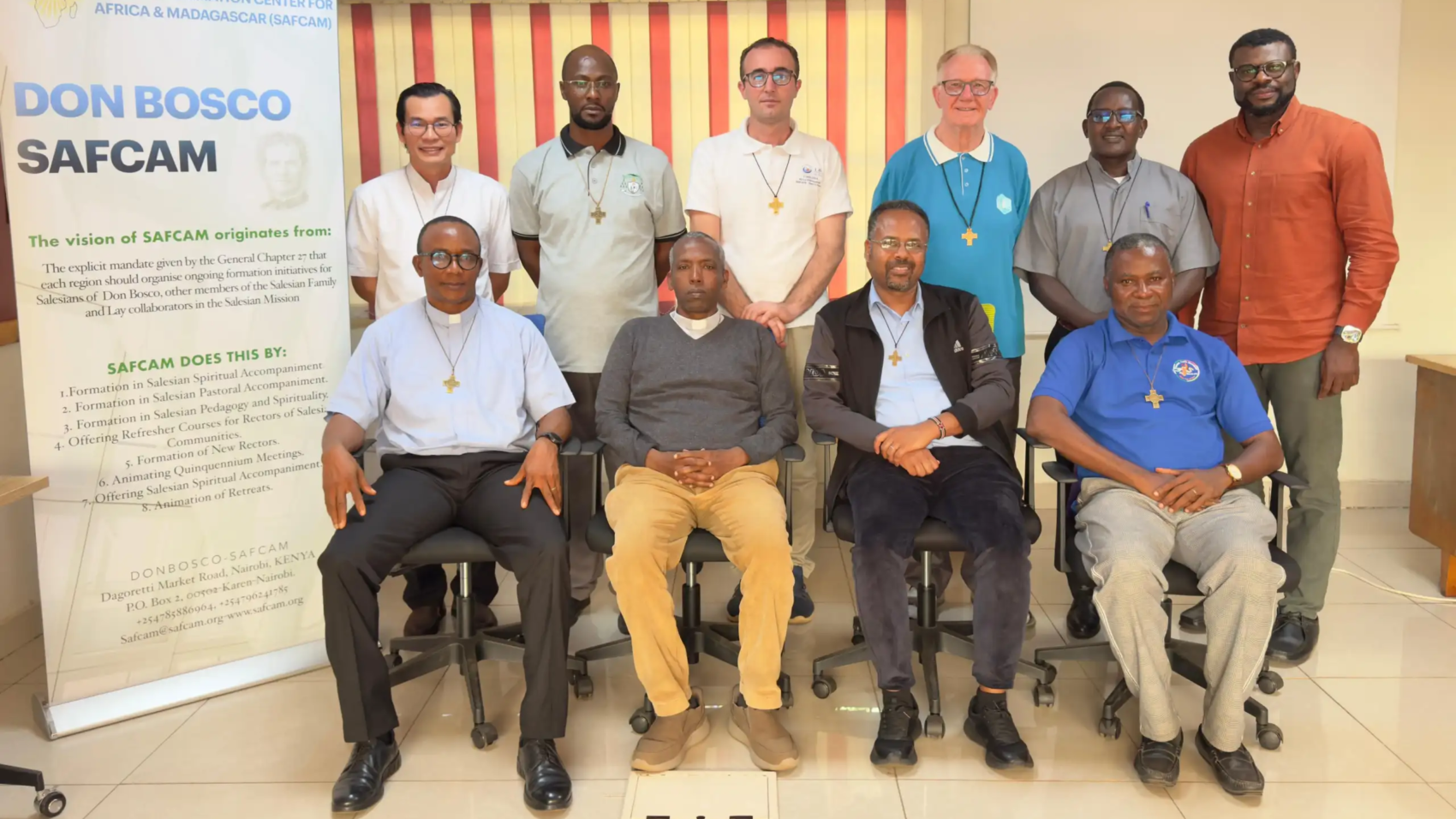
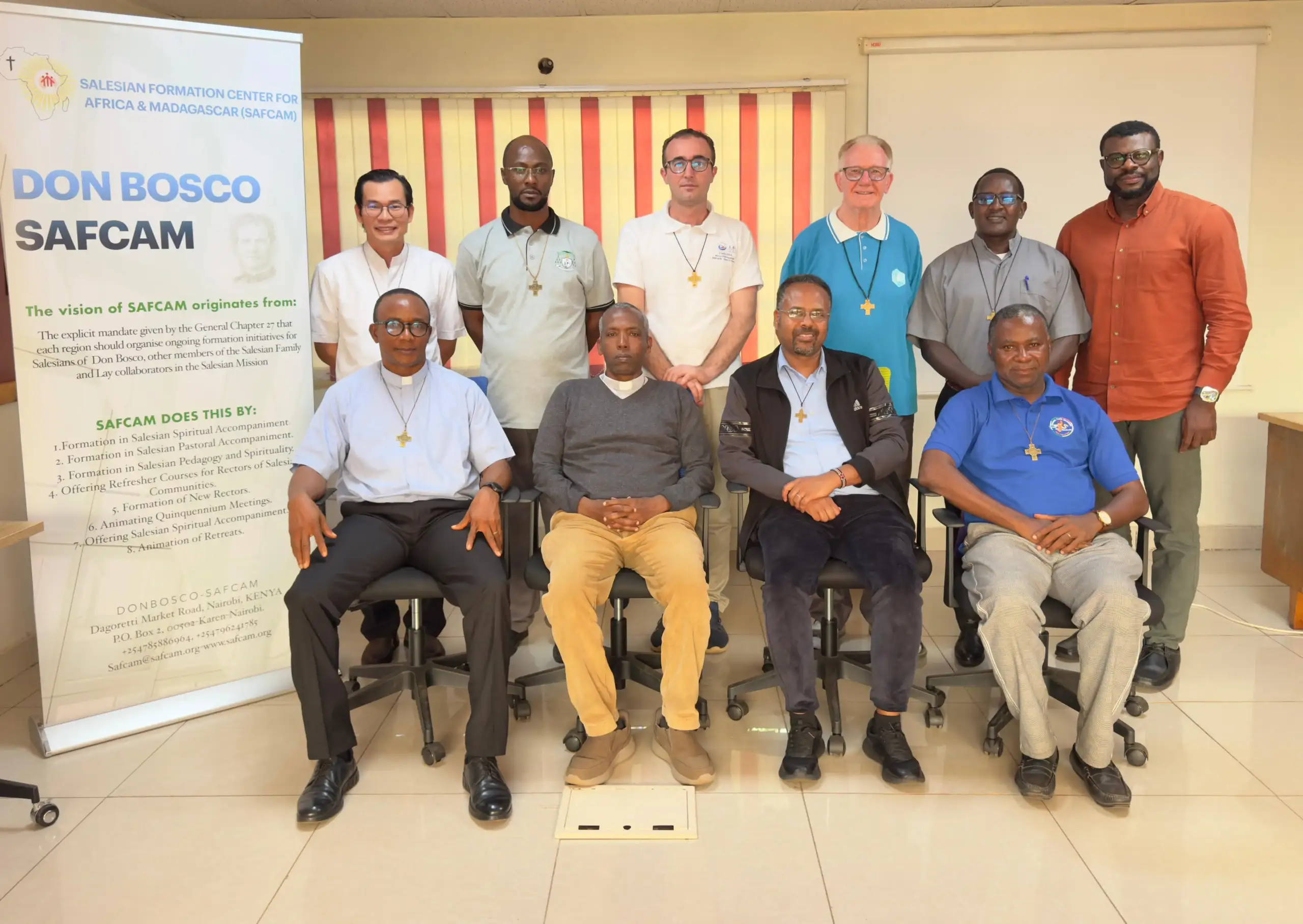
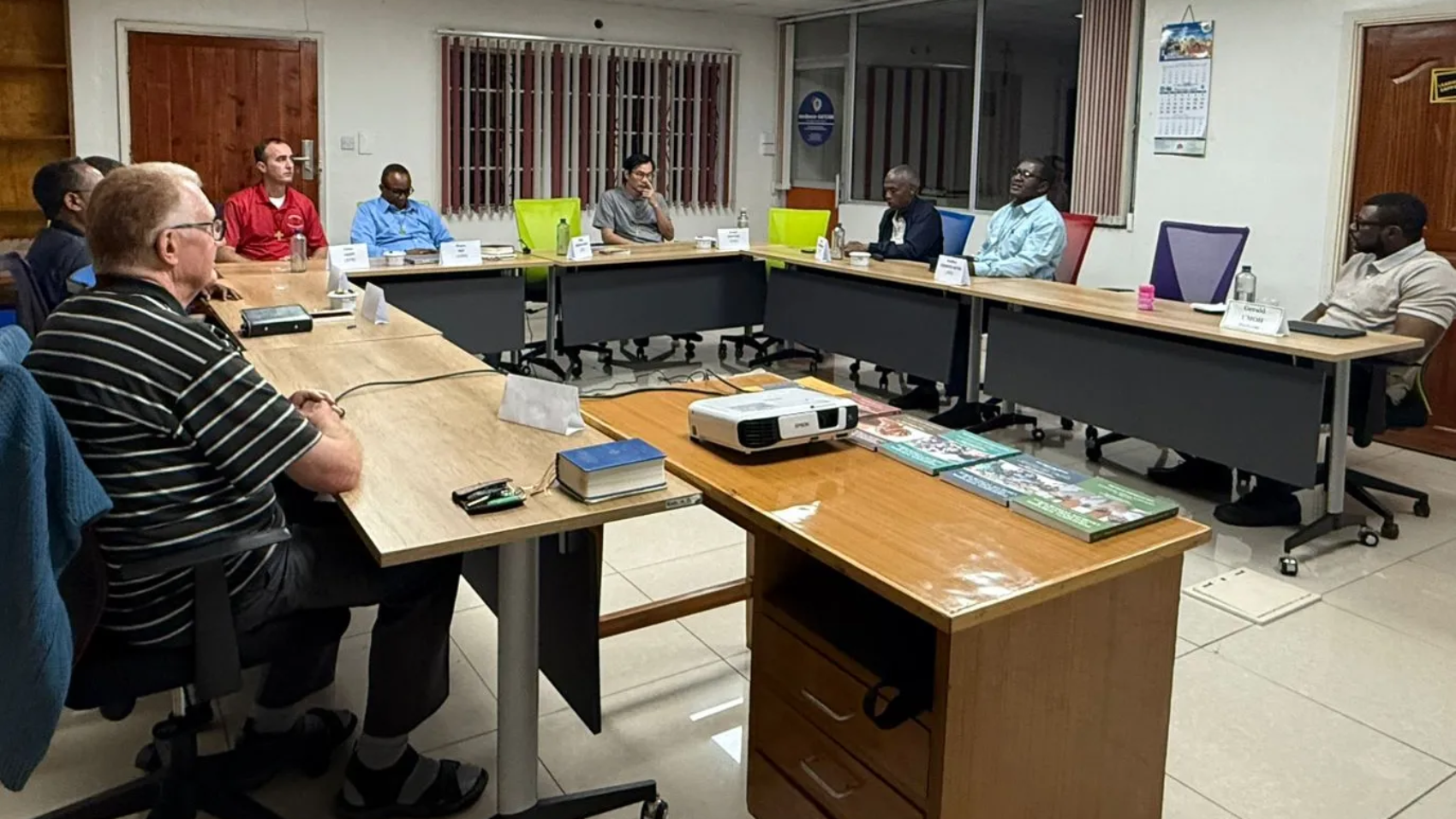
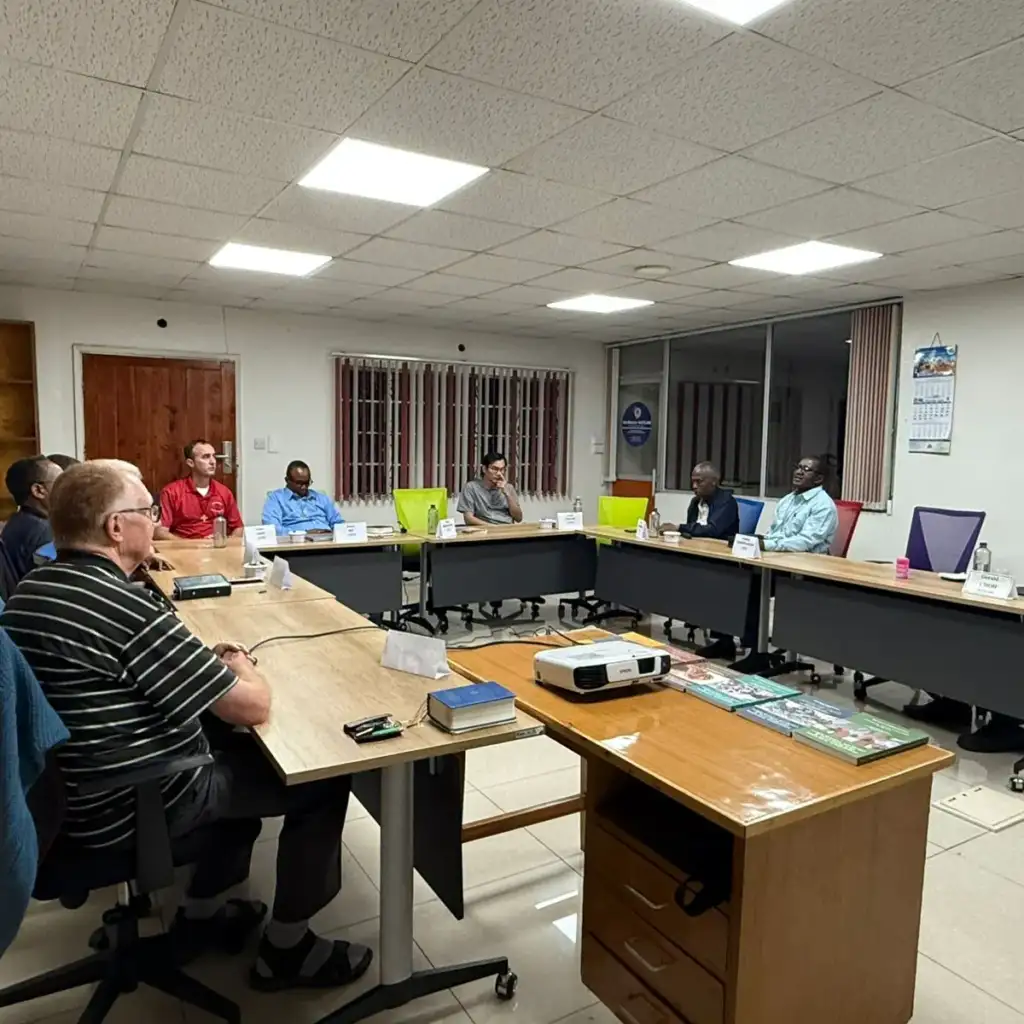
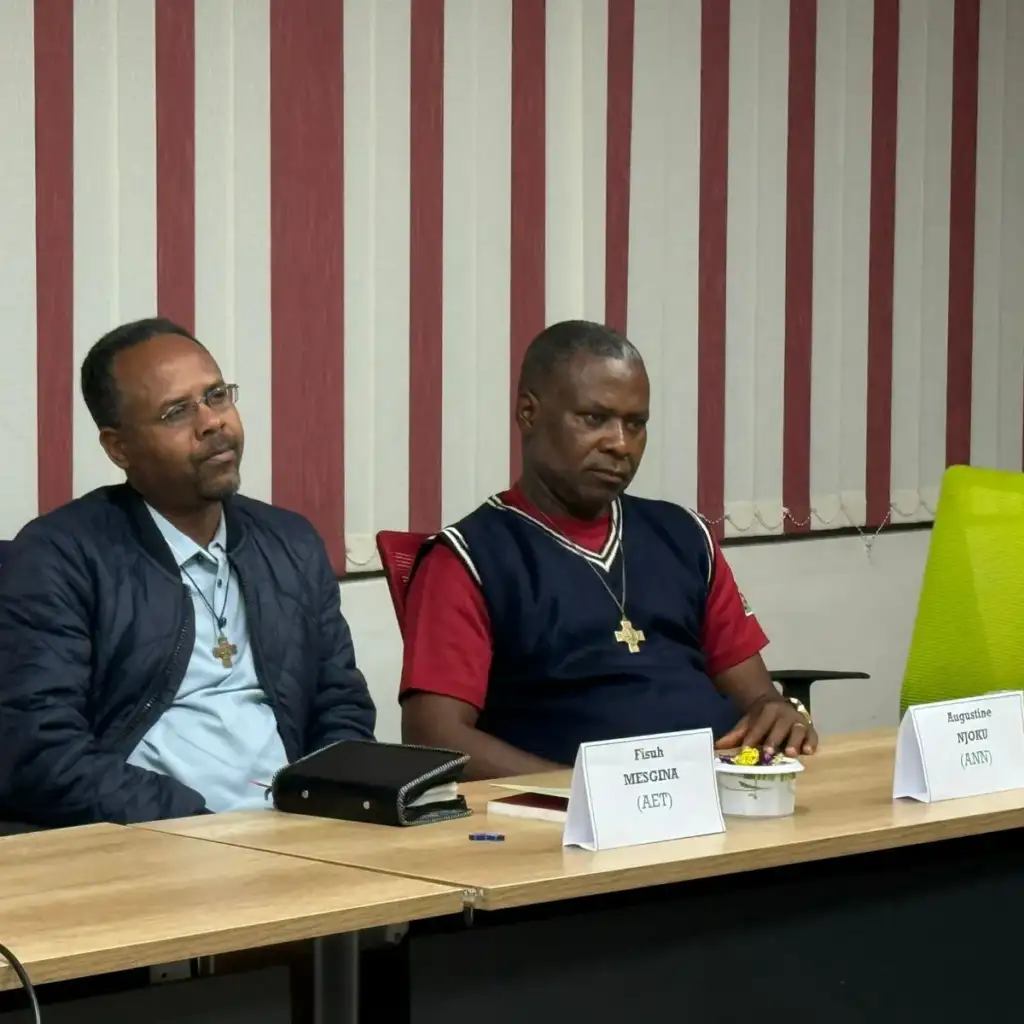
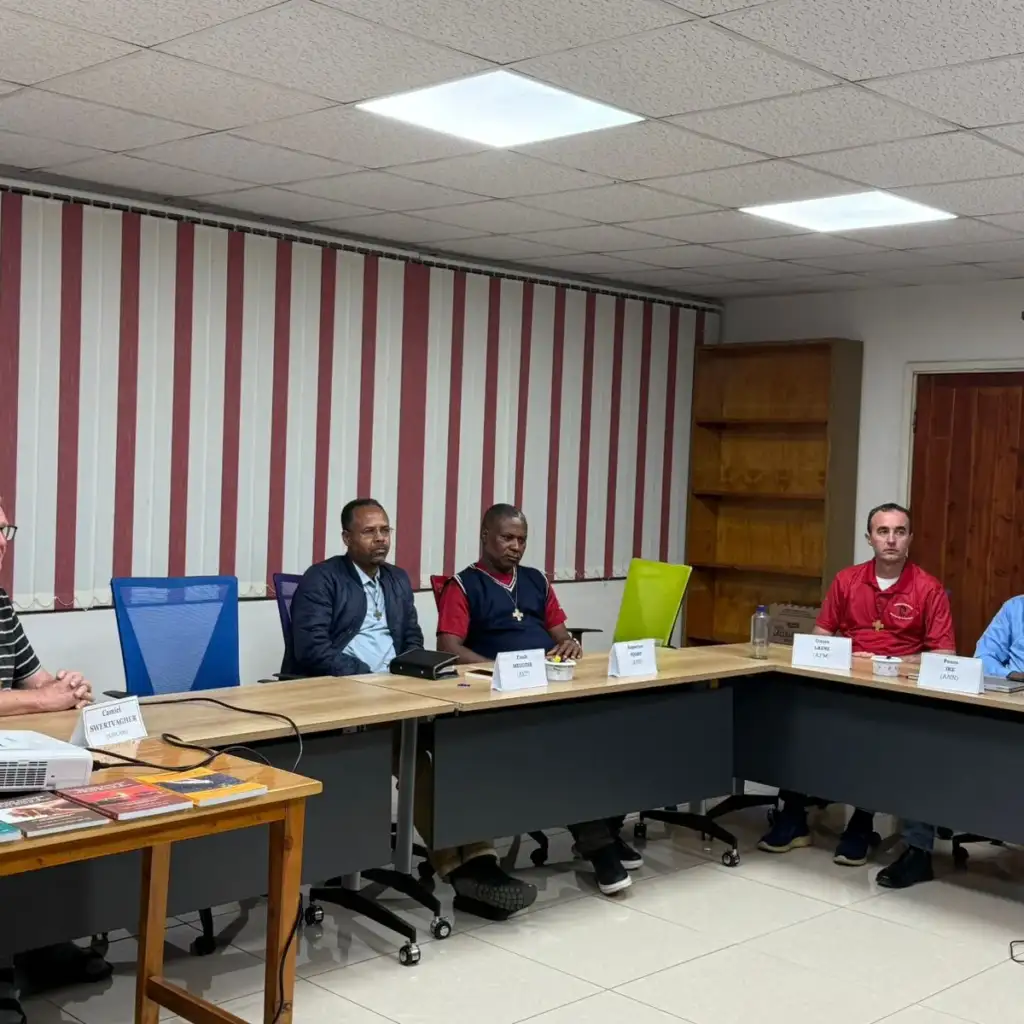
The Rector’s Formation Course for new Rectors—first-time Rectors and those being prepared for future responsibilities—has successfully concluded in Nairobi, Kenya. The seven-day programme was organised by the Salesians’ Formation Centre for Africa and Madagascar (Don Bosco–SAFCAM).
The course was facilitated by Frs. Camiel Swertvagher and Gerald Umoh, with enriching contributions from guest lecturers Fr. Maximus Chikwem Okoro and Br. John Ngigi Njuguna. The programme focused on leadership, community animation, governance, and the spiritual and pastoral responsibilities of a Rector in the Salesian mission.
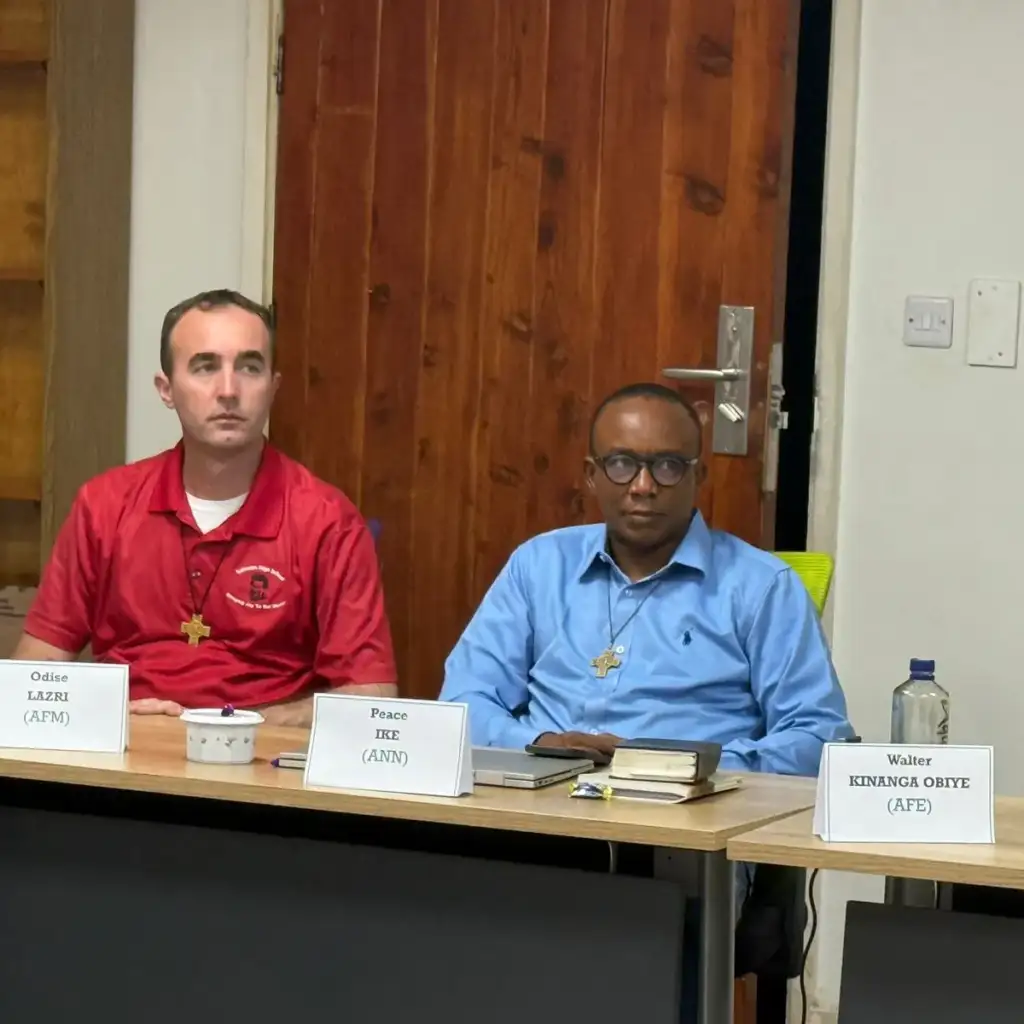
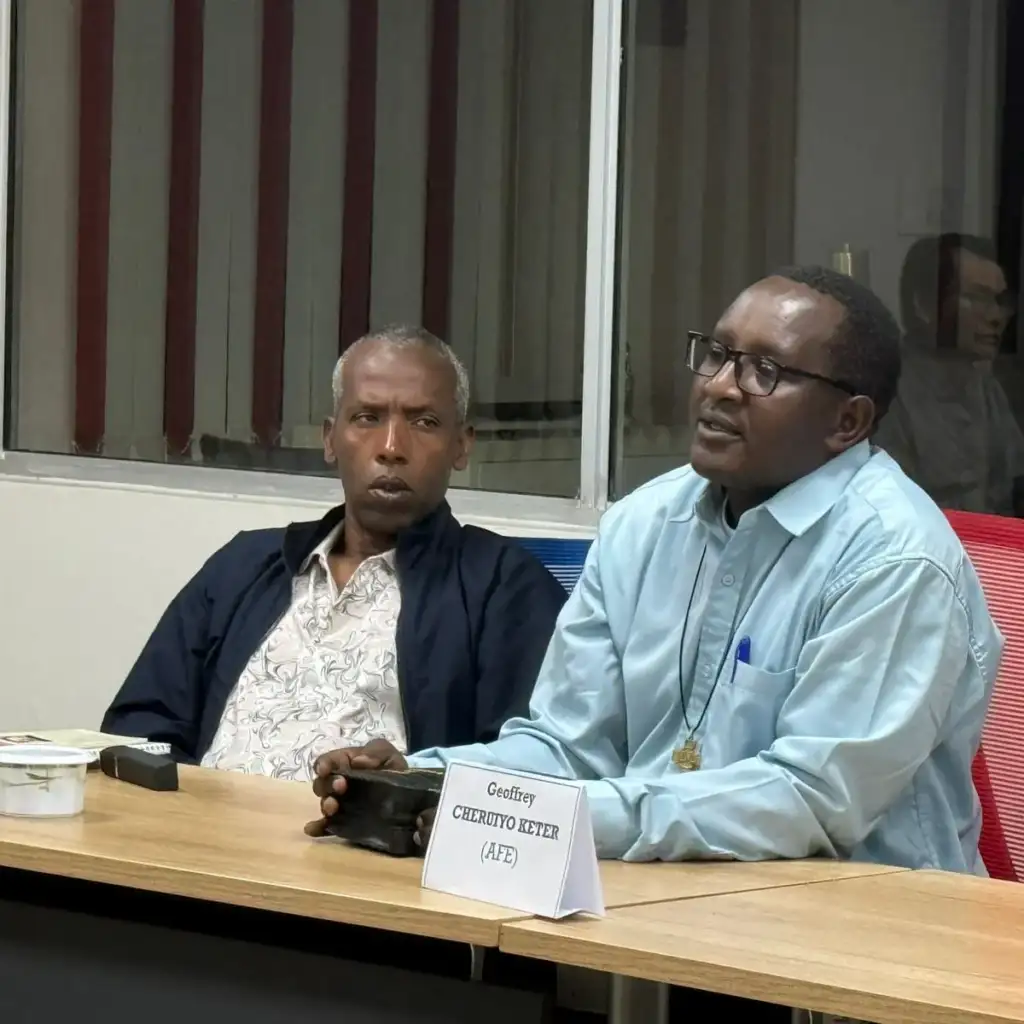
Eight Salesian priests from four Provinces in Africa participated in the course. They were: Fr. Cheruiyot Keter (AFE), Fr. Weldu Gebremeohin (AET), Fr. Nguyen Vangia Cat Joseph (AGL), Fr. Ike Peace Francis (ANN), Fr. Odise Lazri (AFM), Fr. Njoku Augustin (ANN), and Fr. Fisuh Mesegene Zahlay (AET), Walter Kinanga Obiye (AFE).
The participants expressed gratitude for the rich formative experience and the practical tools gained for effective service as Rectors. They also thanked their respective Provincial Superiors for the confidence reposed in them and for granting them the opportunity to take part in this important stage of ongoing formation.
The programme reaffirmed the Salesian commitment to continuous formation and the preparation of leaders capable of animating communities according to the spirit of Don Bosco.
The formation program for the newly appointed Rectors is currently underway in Nairobi, taking place under the guidance of SAFCAM, marking a significant moment for leadership development in the Region.
SAFCAM continues to play a vital role through its impactful programs, close collaboration with the Provinces and the Congregation, and a range of recent initiatives aimed at strengthening formation and governance. These ongoing efforts are contributing meaningfully to the growth and effectiveness of Salesian leadership across the Region.
Leading the current formation process are two highly respected Salesians, Fr. Camiel and Fr. Gerald, whose experience and commitment bring both depth and contextual relevance to the program. Their leadership ensures that participants benefit from formation that is not only structured and reflective but also responsive to local realities. Fr. Camiel and Fr. Gerald remain available for formation programs, retreats, and other enriching initiatives that support personal and institutional development.
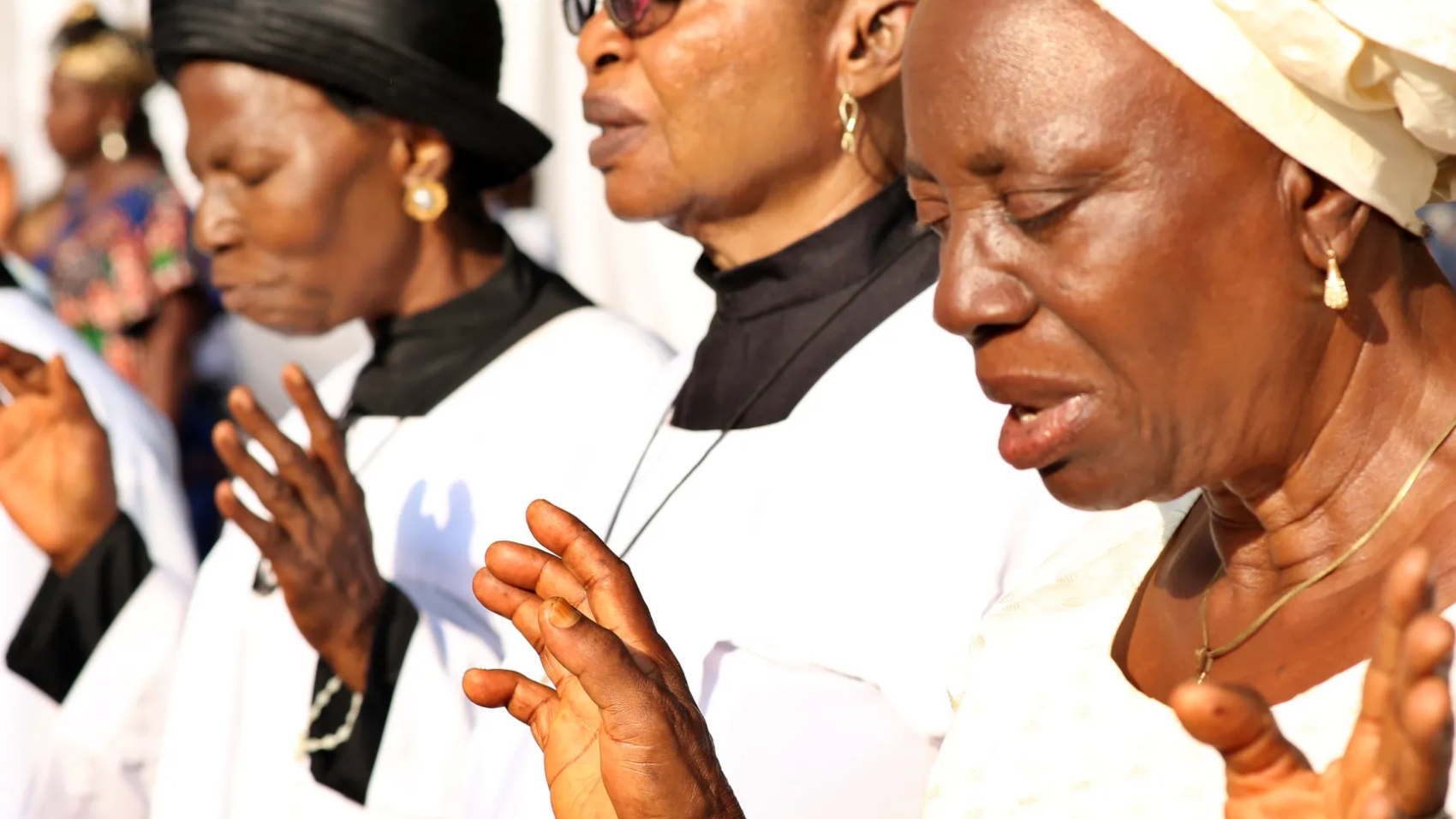
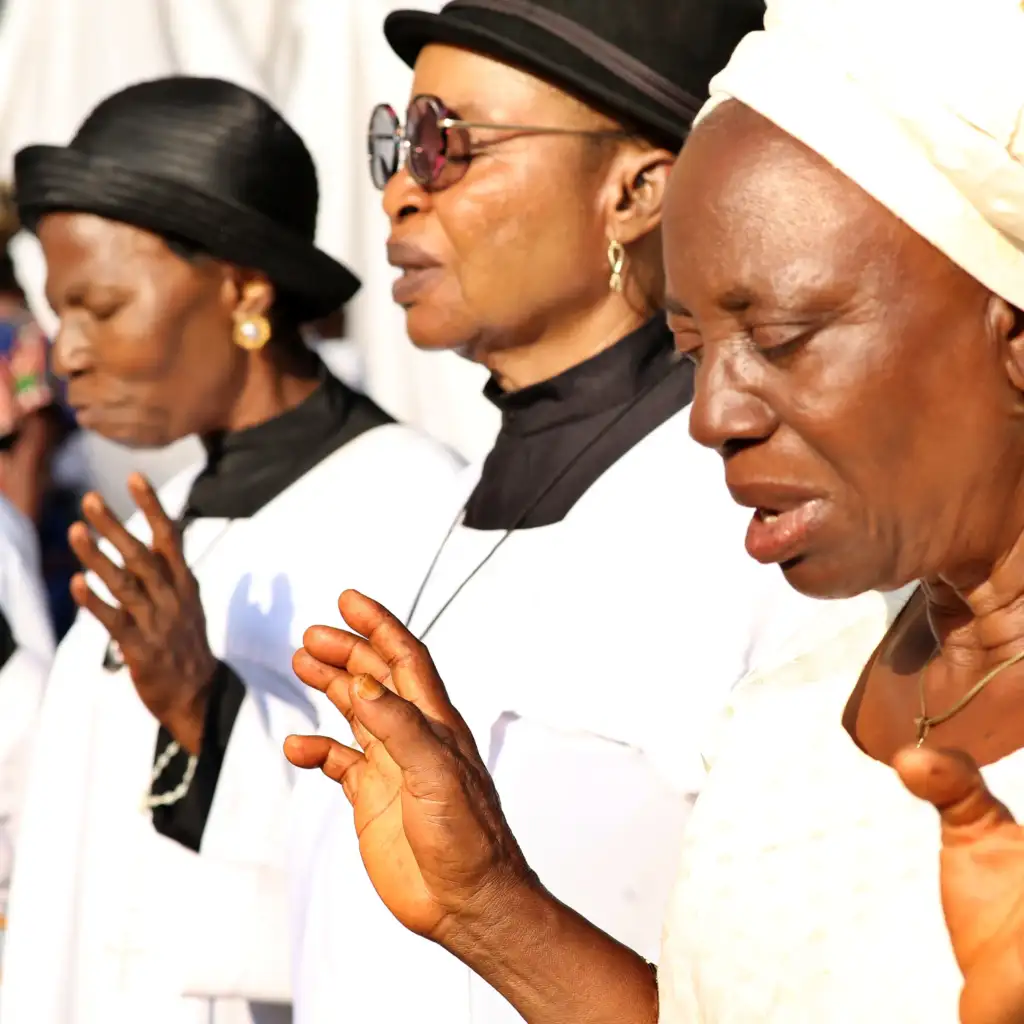
The Social Communication Department of ANN recently made a documentary on behalf of the Mission Department to commemorate the 150th anniversary of the missionary expedition of the first Salesians. This documentary-style interview, “Matriarchs Of The Mission: Becoming Catechists in the Spirit of Don Bosco,” follows the formation and commissioning of the first female catechists at the Marian Shrine, Akure: Catechist Victoria Oloba, Catechist Comfort Falusi, and Catechist Janet Kuduyo.
The video highlights their journey:
Early Beginnings and Inspiration
The catechists share how their Catholic upbringing and involvement in church activities, like being legionaries and Catholic teachers, inspired their path. They emphasize the impact of the Salesian style of teaching, especially its focus on young people, and their admiration for the Salesian priests, particularly the late Father Denso Marini.
Call to Catechesis and Training
The women recount how they were called to formalize their teaching roles by their parish priests, specifically late Father Vincenzo. They initially collaborated with the Salesians and were later sent for formal training at Okitupa training center, a process that involved learning church doctrine, sacraments, and general teachings.
Commissioning and Initial Reactions
Their commissioning as catechists was a significant day, described as a “graduation” and “convocation ceremony.” However, their new roles were met with mixed reactions, with some parishioners questioning if it was a suitable role for women.
Challenges Faced
They discuss the challenges, including a lack of acceptance from some male catechists and the surprise of many parishioners who were unaccustomed to female catechists. Some even mistook them for priests. They also mention dealing with envy and ignorance from others.
Impact and Balancing Life
Despite the challenges, they express joy in inspiring others, including priests, through their teachings. They discuss how they successfully balance their roles as catechists, mothers, and wives, ensuring their family responsibilities are met while serving the church. They also highlight their impact on resolving marital issues and fostering moral and cultural growth among both children and adults.
Vision for the Future and Challenges in Recruitment
The catechists emphasize their love for the youth and recount memorable experiences, such as a bicycle pilgrimage. They advise young people to view catechesis as a lifelong vocation and a calling to spread the gospel, much like Mother Mary. They express the challenge of recruiting younger women, who often cite issues like uniforms and time constraints. They are actively working to bring in new, younger faces, including young men and women, into the catechetical mission.